

Celia Paul
Author of Self-Portrait
Works by Celia Paul
Associated Works
Tagged
Common Knowledge
- Birthdate
- 1959-11-11
- Gender
- female
Members
Reviews
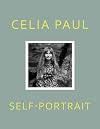
A wonderful flavour of the life of artist Celia Paul. She has a quiet yet firm voice. She includes quotes from the Diaries of her youth, but does not judge that young woman. A young woman who stands in the shadow of a great man, Lucien Freud. A young woman who grows out of that shadow. They separate a few years after the birth of their son Freddie.
As well as sinking into Celia's voice and art, what surprised me was the relatively gentle portrait of Freud. Incapable of monogamy, (the last show more guess at potential children was in the thirties), but despite his lack of faithfulness, she portrays some vulnerability, and loyalty, and kindness. And they remained friends until his death. show less
As well as sinking into Celia's voice and art, what surprised me was the relatively gentle portrait of Freud. Incapable of monogamy, (the last show more guess at potential children was in the thirties), but despite his lack of faithfulness, she portrays some vulnerability, and loyalty, and kindness. And they remained friends until his death. show less
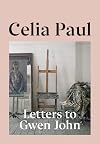
A friend of mine calls the creative inspirations in my life who are already, often long, dead 'your dead friends' - she says this is because I talk about them as if they have just briefly left the room. I like that description. In this volume artist Celia Paul is writing letters to her dead friend Gwen John. An artist she shares both creative intention and life experiences with.
Paul is thinking out loud about her own life and work as well as John's. She is discussing the importance, the love show more of colour to an artist.
Both these women artists had relationships with already established, older, male artists: Gwen with Auguste Rodin, and Celia with Lucian Freud. She explores the impacts of these relationships on them and their creativity.
Although much is either biographical or autobiographical, Paul calls this an 'encounter' with John, I would also suggest a 'communion'.
Beautifully illustrated throughout by the paintings of both women. show less
Paul is thinking out loud about her own life and work as well as John's. She is discussing the importance, the love show more of colour to an artist.
Both these women artists had relationships with already established, older, male artists: Gwen with Auguste Rodin, and Celia with Lucian Freud. She explores the impacts of these relationships on them and their creativity.
Although much is either biographical or autobiographical, Paul calls this an 'encounter' with John, I would also suggest a 'communion'.
Beautifully illustrated throughout by the paintings of both women. show less
Awards


You May Also Like
Associated Authors
Statistics
- Works
- 10
- Also by
- 1
- Members
- 152
- Popularity
- #137,197
- Rating
- 4.2
- Reviews
- 2
- ISBNs
- 21
- Languages
- 1