
Micheliny Verunschk
Author of O som do rugido da onca (Em Portugues do Brasil)
About the Author
Image credit: Micheliny Verunschk (por Melissa Guimarães - Ateliê Editorial)
Works by Micheliny Verunschk
O amor, esse obstáculo 1 copy
O observador e o nada 1 copy
Tagged
Common Knowledge
- Legal name
- Verunschk Pinto Machado, Micheliny
- Birthdate
- 1972-07-10
- Gender
- female
- Education
- Pontifícia Universidade Católica de São Paulo (PhD)
- Nationality
- Brazil
- Birthplace
- Recife, Pernambuco, Brazil
- Places of residence
- São Paulo, São Paulo, Brazil
- Associated Place (for map)
- Brazil
Members
Reviews
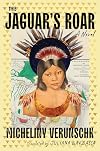
Rating: 4* of five
The Publisher Says: The story of an Indigenous girl’s kidnapping during a colonial expedition intertwines with a young woman’s modern-day search for identity and ancestral truths.
In 1817, explorers Spix and Martius returned from their three-year voyage in Brazil with not only an extensive account of their journey, but also with an Indigenous boy and girl, Iñe-e and Juri. Kidnapped from rival tribes as part of the colonialist trend of collecting “living specimens” show more on scientific expeditions, the two tragically perished shortly after arriving in Europe. This lyrically rich novel takes their perspective to illuminate their harrowing journey.
Micheliny Verunschk’s fifth novel, the first to be translated into English, powerfully challenges dominant historical narratives by centering the voices of these stolen Indigenous children. Intertwining their story with a narrative set in contemporary Brazil, we meet Josefa, a young woman grappling with her own identity when she encounters Iñe-e’s image in an exhibition. Through its poignant exploration of memory, colonialism, and belonging, this novel stands out in Brazilian literature, offering readers a profound reflection on the enduring impact of history on personal lives.
I RECEIVED A DRC FROM THE PUBLISHER VIA EDELWEISS+. THANK YOU.
My Review: Pay attention! I think that could be the epigraph of this story as told by Author Verunschk. It starts with a lithograph of a stolen Indigenous child that alters someone's internal compass, there must be some reason I'm seeing this thinks Josefa; it continues as the story of the stolen child, Iñe-e, is revealed to Josefa, then the reader; it concludes its course with History being revealed as a polyphonic braid of voices, one we must always realize we are selectively seeing in parts.
One part Josefa, descendant of colonizers, never considered was the cultural arrogance of the colonial project she inherited. It can easily veer into trauma porn, that; it gets away from the dreaded, dreadful inauthenticity of trauma porn by going into the other register of eyebrow-raising Othering, the Holy/Saintly/Betterness of Indigenous exoticization. I can't read Portuguese but I will stake my imaginary bank account on the fact that there are colonizers' descendants in Brazil who feel this book is an accusation, a finger-wagging jeremiad. (In under 200pp, that's a hard feat; it's also not true for all of me.) I've got to acquire Brazilian Portuguese so I can look into the native-language reviews.
While I applaud the inclusion in this story of non-human narrators, I don't think it necessarily makes the read more accessible to general audiences. It's often unclear when PoVs switch, a jarring experience for the uninitiated; I'm not saying it shouldn't be done simply noting that this is not a story to pick up unless you can devote real attention to it. It's quite short, it's really beautifully written, and it's telling a really interesting story. It's not a cocktail-peanut read to be chucked unthinkingly into your eyes, but a glorious spread of literary tapas or sashimi in great variety to be savored bit by bit.
I think it's beautiful, but flawed. It should be read by all interested in books about memory and its edit buttons, focusing on what they elide. show less
The Publisher Says: The story of an Indigenous girl’s kidnapping during a colonial expedition intertwines with a young woman’s modern-day search for identity and ancestral truths.
In 1817, explorers Spix and Martius returned from their three-year voyage in Brazil with not only an extensive account of their journey, but also with an Indigenous boy and girl, Iñe-e and Juri. Kidnapped from rival tribes as part of the colonialist trend of collecting “living specimens” show more on scientific expeditions, the two tragically perished shortly after arriving in Europe. This lyrically rich novel takes their perspective to illuminate their harrowing journey.
Micheliny Verunschk’s fifth novel, the first to be translated into English, powerfully challenges dominant historical narratives by centering the voices of these stolen Indigenous children. Intertwining their story with a narrative set in contemporary Brazil, we meet Josefa, a young woman grappling with her own identity when she encounters Iñe-e’s image in an exhibition. Through its poignant exploration of memory, colonialism, and belonging, this novel stands out in Brazilian literature, offering readers a profound reflection on the enduring impact of history on personal lives.
I RECEIVED A DRC FROM THE PUBLISHER VIA EDELWEISS+. THANK YOU.
My Review: Pay attention! I think that could be the epigraph of this story as told by Author Verunschk. It starts with a lithograph of a stolen Indigenous child that alters someone's internal compass, there must be some reason I'm seeing this thinks Josefa; it continues as the story of the stolen child, Iñe-e, is revealed to Josefa, then the reader; it concludes its course with History being revealed as a polyphonic braid of voices, one we must always realize we are selectively seeing in parts.
One part Josefa, descendant of colonizers, never considered was the cultural arrogance of the colonial project she inherited. It can easily veer into trauma porn, that; it gets away from the dreaded, dreadful inauthenticity of trauma porn by going into the other register of eyebrow-raising Othering, the Holy/Saintly/Betterness of Indigenous exoticization. I can't read Portuguese but I will stake my imaginary bank account on the fact that there are colonizers' descendants in Brazil who feel this book is an accusation, a finger-wagging jeremiad. (In under 200pp, that's a hard feat; it's also not true for all of me.) I've got to acquire Brazilian Portuguese so I can look into the native-language reviews.
While I applaud the inclusion in this story of non-human narrators, I don't think it necessarily makes the read more accessible to general audiences. It's often unclear when PoVs switch, a jarring experience for the uninitiated; I'm not saying it shouldn't be done simply noting that this is not a story to pick up unless you can devote real attention to it. It's quite short, it's really beautifully written, and it's telling a really interesting story. It's not a cocktail-peanut read to be chucked unthinkingly into your eyes, but a glorious spread of literary tapas or sashimi in great variety to be savored bit by bit.
I think it's beautiful, but flawed. It should be read by all interested in books about memory and its edit buttons, focusing on what they elide. show less
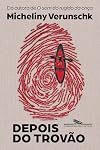
Depois do Trovão é um livro de peso, não só porque sua autora recém saiu com os prêmios máximos do Oceanos e Jabuti com seus últimos livros, mas porque a referência a Guimarães Rosa na sinopse da Companhia das Letras não é um exagero em absoluto.
Aviso que Depois do Trovão me tomou mais tempo em ler do que os livros da Micheliny Verunschk me tomam (e a acompanho desde sua época de Patuá), se os outros me permitiram sorve-los com voracidade, a lapidação da linguagem desse fez show more a leitura se tornar muito mais difícil, mas não menos brilhante ao usual da autora, inclusive não brinco ao dizer que este é o pico do trabalho em linguagem dela, quando acho que não poderia me surpreender mais, Micheliny vem com um novo petardo livro após livro. show less
Aviso que Depois do Trovão me tomou mais tempo em ler do que os livros da Micheliny Verunschk me tomam (e a acompanho desde sua época de Patuá), se os outros me permitiram sorve-los com voracidade, a lapidação da linguagem desse fez show more a leitura se tornar muito mais difícil, mas não menos brilhante ao usual da autora, inclusive não brinco ao dizer que este é o pico do trabalho em linguagem dela, quando acho que não poderia me surpreender mais, Micheliny vem com um novo petardo livro após livro. show less
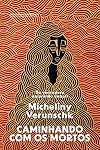
Mais uma pedrada da Micheliny. Que livro! Li numa sentada, aos mesmo tempo envolvente pela escrita poética, é proporcional pelo horror que ele emana.
Ele trata de assuntos que não devemos deixar morrer em nossos discursos do dia a dia, o fanatismo religioso que tanto tem culpa em crimes de feminicidio, homofobia e transfobia.
Quando um acéfalo como o Deltan Dallagnol vai notar que ter um discurso de que mulher deve ser submissa ao homem porque "tá na bíblia" leva milhares delas à show more morte? Há sangue nas mãos de cada religioso que replica o discurso misógino das igrejas neopentecostais.
Esse livro é uma bomba porque mexe e remexe em feridas há muito abertas e que sangram todo dia, não exageraria se dissesse que a Onça já está com outro Jabuti em mãos. show less
Ele trata de assuntos que não devemos deixar morrer em nossos discursos do dia a dia, o fanatismo religioso que tanto tem culpa em crimes de feminicidio, homofobia e transfobia.
Quando um acéfalo como o Deltan Dallagnol vai notar que ter um discurso de que mulher deve ser submissa ao homem porque "tá na bíblia" leva milhares delas à show more morte? Há sangue nas mãos de cada religioso que replica o discurso misógino das igrejas neopentecostais.
Esse livro é uma bomba porque mexe e remexe em feridas há muito abertas e que sangram todo dia, não exageraria se dissesse que a Onça já está com outro Jabuti em mãos. show less

adoro como a palavra
mushroom
desmancha na boca.
na panela
os tomates
se entregam
ao azeite quente
com elegância
e dignidade
e percebo
a respiração
da cozinha
quente
como o hálito
de um
dragão.
na xícara
genmaicha
e o corpo
respirando junto.
mushroom
desmancha na boca.
na panela
os tomates
se entregam
ao azeite quente
com elegância
e dignidade
e percebo
a respiração
da cozinha
quente
como o hálito
de um
dragão.
na xícara
genmaicha
e o corpo
respirando junto.
Awards


Statistics
- Works
- 19
- Members
- 154
- Popularity
- #135,794
- Rating
- 4.0
- Reviews
- 11
- ISBNs
- 25
- Languages
- 2