
Wab Kinew
Author of The Reason You Walk: A Memoir
Series
Works by Wab Kinew
We Are Who We Are: An Ode to Indigenous Heroes Past and Present (2026) — Author — 18 copies, 11 reviews
Associated Works
You Were Made for This World: Celebrated Indigenous Voices Speak to Young People (2025) — Contributor — 30 copies, 11 reviews
A Steady Brightness of Being: Truths, Wisdom, and Love from Celebrated Indigenous Voices (2025) — Contributor — 29 copies
Tagged
Common Knowledge
- Legal name
- Kinew, Wabanakwut
- Birthdate
- 1981-12-31
- Gender
- male
- Occupations
- broadcaster
politician
premier of Manitoba
musician - Agent
- Jackie Kaiser
- Nationality
- Canada
- Associated Place (for map)
- Canada
Members
Reviews
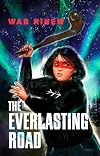
I thought there was an opportunity to do more with the Waawaate AI which was squandered. I was more let down by what felt like wasted potential than anything the book actively did wrong. Bugz’s grief over the loss of her brother and the way she copes were a central point in the narrative. And I did appreciate the commentary on how people judge others grieving process as it was conveyed through members of Bugz’s community judging her for grieving “wrong” or appearing to move on too show more quickly. Bugz’s creation of an in-game bot that looks and was supposed to act like her brother seemed like another way to dig into Bugz’s experiences of grief and loss in a deep way. Instead, the Waawaate-AI has a very generic evil, rogue AI plot line that felt divorced from and shallow compared to the characters struggles in the real world. show less
 This review was written for LibraryThing Early Reviewers.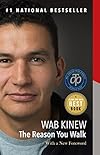
This was a very powerful read. Kinew is a writer, broadcaster, musician, and most currently, a politician. He hosted CBC's Canada Reads competition for a couple of years, as well. This book is a memoir and a tribute to his father who was, himself, a very accomplished First Nations leader. It focuses on the last year of his father's life, as they reconnected, but also goes into detail of his father's early life, when he was taken from his own family as a young child and brought to a show more Residential school, and how that affected the rest of his life. Kinew spares no details of that despicable chapter of Canada's history but, at the same time, he also chronicles the efforts by his father and the Indigenous communities to work toward reconciliation. Kinew also reveals his own troubled childhood and how, with the love and support of his family and broader communities, he turned himself around. In the final year of his dad's life, together they created an app that serves to keep the language of the Anishnaabe alive, accessible and available into the future. It boggles my mind that he, Wab Kinew, is only 38 year old, himself, and has yet accomplished so much with his life.
I learned so much about Native culture, rituals, and spiritual influences. I marked several passages in this book and will include a few here:
- (referring to the formal adoption of a Catholic archbishop into his Indigenous family) "Through a lengthy, topsy-turvy journey, they had found and embraced each other as brothers. Reconciliation in action. Reconciliation is not something realized on a grand level, something that happens when a prime minister and a national chief shake hands. It takes places at a much more individual level. Reconciliation is realized when two people come together and understand that what they share unites them and that what is different about them needs to be respected. Reconciliation happens when the archbishop and the sundancer become brothers."
"This is part of what my father and all the residential school survivors achieved. The full force of colonialization had set out to change them, yet these brave young boys and girls held on to who they were and instead changed the colonial state and the colonial religions. This is a remarkable journey.
The path began when he was taken from the home of his parents in a poor but beautiful village on the Lake of the Woods, and it culminated at the very heights of global power, both literally and figuratively. No wonder Ndede was smiling.
He had grappled with his pain, with his anger, and with his grief. Now, we had seen him conquer those things with love, a love he extended to his fellow human beings, including some who had hurt him.
The worst things one human being can do to another had been confronted by the very best that the human spirit has to offer. On this day at least, the best part of us had won out."
- (referring to the moment Kinew brought his 2 young sons to his father's bedside, to say their goodbyes):
"Our ancestors said that in life we need both the young and the old - the old because they pull us onward in life, the young because they push us forward. For a moment, I stood in the middle as the older and the younger generations acted on me from both directions."
"They left him walking forward, not looking back. This is how our ancestors tell us to leave. Their last words to him were not about closure or finality, but simply about love, in the deep familial sense, and then showing their love for him with a simple act."
In the epilogue of the book, at the end, Kinew says: "After working with Al-Jazzeera's Washington DC office, I would joke that I had become a Native kid from Northwestern Ontario working for a Qatari-owned television network in the United States of America. More than a joke, it also revealed the truth that we are all part of a pluralistic, multicultural, global society....Everywhere along the way, I have been struck by the differences and unique expressions that humanity navigates and negotiates around the world...Beyond these differences, we are united by those qualities bubbling up from beneath the surface. I have heard the universal language of laughter both in a Sonoran slum and a petro-state shopping mall. I have witnessed the devastation wrought by the loss of a loved one in some of the most dangerous cities on earth and in the affluent suburbs of the so-called First World. I have recognized the love of food, the need for sleep, and the desire for companionship everywhere." show less
I learned so much about Native culture, rituals, and spiritual influences. I marked several passages in this book and will include a few here:
- (referring to the formal adoption of a Catholic archbishop into his Indigenous family) "Through a lengthy, topsy-turvy journey, they had found and embraced each other as brothers. Reconciliation in action. Reconciliation is not something realized on a grand level, something that happens when a prime minister and a national chief shake hands. It takes places at a much more individual level. Reconciliation is realized when two people come together and understand that what they share unites them and that what is different about them needs to be respected. Reconciliation happens when the archbishop and the sundancer become brothers."
"This is part of what my father and all the residential school survivors achieved. The full force of colonialization had set out to change them, yet these brave young boys and girls held on to who they were and instead changed the colonial state and the colonial religions. This is a remarkable journey.
The path began when he was taken from the home of his parents in a poor but beautiful village on the Lake of the Woods, and it culminated at the very heights of global power, both literally and figuratively. No wonder Ndede was smiling.
He had grappled with his pain, with his anger, and with his grief. Now, we had seen him conquer those things with love, a love he extended to his fellow human beings, including some who had hurt him.
The worst things one human being can do to another had been confronted by the very best that the human spirit has to offer. On this day at least, the best part of us had won out."
- (referring to the moment Kinew brought his 2 young sons to his father's bedside, to say their goodbyes):
"Our ancestors said that in life we need both the young and the old - the old because they pull us onward in life, the young because they push us forward. For a moment, I stood in the middle as the older and the younger generations acted on me from both directions."
"They left him walking forward, not looking back. This is how our ancestors tell us to leave. Their last words to him were not about closure or finality, but simply about love, in the deep familial sense, and then showing their love for him with a simple act."
In the epilogue of the book, at the end, Kinew says: "After working with Al-Jazzeera's Washington DC office, I would joke that I had become a Native kid from Northwestern Ontario working for a Qatari-owned television network in the United States of America. More than a joke, it also revealed the truth that we are all part of a pluralistic, multicultural, global society....Everywhere along the way, I have been struck by the differences and unique expressions that humanity navigates and negotiates around the world...Beyond these differences, we are united by those qualities bubbling up from beneath the surface. I have heard the universal language of laughter both in a Sonoran slum and a petro-state shopping mall. I have witnessed the devastation wrought by the loss of a loved one in some of the most dangerous cities on earth and in the affluent suburbs of the so-called First World. I have recognized the love of food, the need for sleep, and the desire for companionship everywhere." show less
Have to start this review off by saying that if you read the first book and are hesitant to read this one: do it! I enjoyed this a lot more than the first book. my main issue with the first book was that it felt like there were lots of good ideas, but none of them got to ne fully fledged out because the author was trying to cram too many things into a shorter book, without picking one to be the main plot line. In this sequel you can clearly feel how teh author's writing has improved and the show more plot is much more clear, as well as the entire AR/spirit world concept being better explained.
I too started reading this book with a little apprehension as I finished teh first book less than a week before and did not really feel that it needed a sequel, the way it ended was actually my favourite part of the book and felt fit for a standalone. So I was already going in with a not-so-open mind. I think the beginning of the book was a little weak but that was likely not helped by my mindset. Luckily teh flow picked up and I was happy to get to know more about how the Floraverse works and Bugz unique place within it. The characters were a big highlight of book one, and I am very glad they got to be more fleshed out in this sequel rather than being overwhelmed by too many plot points again.
Bugz is still very much a moody teenager who makes rash decisions, but being able to see her and Feng's character growth from being around each other was nice. I was especially happy that Feng got more humanity infused into him, a little less like a lifeless side character than book one. Waawaate's part in this book was also beautiful, I won't spoil it but I think it was a very special wat to help readers learn and appreciate certain parts of native cultural aspects in a way that blended well with the story rather than reading like an informative pamphlet the way some books can.
My only real complaint is chapter 46, if you know you know. If you don't know I'll just say it felt like it was tossed in to tie up a loose end between to wonderful, heartfelt chapters.
With all that said I would definitely be interested in delving into The Floraverse more, but I sort of hope this is the end of Bugz story for us. Would love a prequel explaining the game even more or a sequel the pov of another character later on. show less
This review was written for LibraryThing Early Reviewers.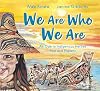
This book is absolutely gorgeous and full of important stories for all children to know about. It's a huge book, almost 11 inches tall and 1 foot wide. The bold color artwork done with acrylic paint on poster paper by Janine Gibbons is stunning. It's such a relief to see gorgeous real art like this when so many people now are trying to use AI "art". The size of the book makes it perfect for read alouds in the classroom since it's very easy for all the children to see.
Younger children will show more be very drawn to the art and the rhyming text. The author, Wab Kinew, does a beautiful job with effortless rhymes that still manage to share so much important information. I love the diversity in the heroes and heroines shared: women, men and even two spirit people like Pine Leaf. Pine Leaf's story is especially inspiring with their work as chief, warrior and marriages to their wives.
This is a book that is sorely needed right now. This is a time when those in power are fighting to suppress and erase the stories of women, people of color, indigenous people and two-spirit or LGBTQ+ people. This book is a wonderful addition to any home or classroom. It's a beautiful way for children to see unity in diversity with all the ways human beings can manifest in this world to do good.
Thank you to all who made this book possible! show less
Younger children will show more be very drawn to the art and the rhyming text. The author, Wab Kinew, does a beautiful job with effortless rhymes that still manage to share so much important information. I love the diversity in the heroes and heroines shared: women, men and even two spirit people like Pine Leaf. Pine Leaf's story is especially inspiring with their work as chief, warrior and marriages to their wives.
This is a book that is sorely needed right now. This is a time when those in power are fighting to suppress and erase the stories of women, people of color, indigenous people and two-spirit or LGBTQ+ people. This book is a wonderful addition to any home or classroom. It's a beautiful way for children to see unity in diversity with all the ways human beings can manifest in this world to do good.
Thank you to all who made this book possible! show less
This review was written for LibraryThing Early Reviewers.Lists
Five star books (2)
Awards


You May Also Like


Associated Authors
Statistics
- Works
- 7
- Also by
- 3
- Members
- 655
- Popularity
- #38,516
- Rating
- 4.1
- Reviews
- 99
- ISBNs
- 24
- Languages
- 1
