
Soniah Kamal
Author of Unmarriageable
About the Author
Works by Soniah Kamal
Hairy Potter 3 copies
Associated Works
What God Is Honored Here?: Writings on Miscarriage and Infant Loss by and for Native Women and Women of Color (2019) — Contributor — 27 copies, 2 reviews
Tagged
Common Knowledge
- Gender
- female
Members
Reviews
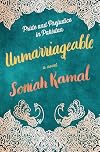
“It is a truth universally acknowledged that a girl can go from pauper to princess or princess to pauper in the mere seconds it takes for her to accept a proposal.” – the opening sentence of PRIDE AND PREJUDICE by Jane Austen
This delightful Pakistani re-telling of PRIDE AND PREJUDICE starts out with ninth-grade teacher Alys Binat asking her female students to rewrite the opening sentence of PRIDE AND PREJUDICE. Their writings nakedly reveal their societal status and how they have been show more taught that marriage is their ultimate goal.
Alys’ heart sinks each year as her students, with their brilliant minds, never consider exploring the world and paving their own ways through life instead of seeing “marrying young and well” as their only options. Yet each year she uses the reading of Jane Austen’s PRIDE AND PREJUDICE to show how the mother and the protagonist start out with similar views and goals and where and why they begin to separate in those views.
Alys Binat says she will never marry but, like Elizabeth Bennett, life just did not turn out that way when Darsee entered her life. Kamal manipulated the characters’ names to somewhat match the name of the characters in the classic telling. Some of the nicknames were hilarious – Rum, Gin, Hammy, Dracula. I especially loved the characters of Sherry Looclus (Charlotte Lucas) and Farhat Kaleen (Mr. Collins). Sherry is the kind of friend you want by your side through good and bad. The story was utterly delightful and the writing impeccable.
Charming and funny with relatable characters, this unique re-telling of the classic story PRIDE AND PREJUDICE looks at love, sisterhood, class, and marriage with a fresh twist. Kamal provided awesome insight into human relationships, especially within the Binat family of five daughters and their parents. (“O’Connor, Austen, Alcott, Wharton. Characters’ emotions and situations are universally applicable across cultures, whether you’re wearing an empire dress, shalwar kurta, or kimono.”) Some conversations are pretty much universal, heard in families whatever the culture may be. Example: “Both of you, shut up,” Mrs. Binat said. “For God’s sake, is this why I went through your pregnancies and labor pains and nursed you both and gave myself stretch marks and saggy breasts? So that you can grow up and be bad sisters? How many times must I tell you: Be nice to each other, love each other, for at the end of the day, siblings are all you have.” Tell me you haven’t heard some version of that from your own mother.
I enjoyed the historical tidbits about the partitioning of Pakistan and India and the involvement of the English empire. I suspect she used much farce in her descriptions of modern-day Pakistani culture. A truly delightful story. I end with a quote from the book that I think should be highlighted: “We know that friends can be made anywhere and everywhere, regardless of race or religion.”
I received an Advance Review Copy of this book. All opinions are my own. show less
This delightful Pakistani re-telling of PRIDE AND PREJUDICE starts out with ninth-grade teacher Alys Binat asking her female students to rewrite the opening sentence of PRIDE AND PREJUDICE. Their writings nakedly reveal their societal status and how they have been show more taught that marriage is their ultimate goal.
Alys’ heart sinks each year as her students, with their brilliant minds, never consider exploring the world and paving their own ways through life instead of seeing “marrying young and well” as their only options. Yet each year she uses the reading of Jane Austen’s PRIDE AND PREJUDICE to show how the mother and the protagonist start out with similar views and goals and where and why they begin to separate in those views.
Alys Binat says she will never marry but, like Elizabeth Bennett, life just did not turn out that way when Darsee entered her life. Kamal manipulated the characters’ names to somewhat match the name of the characters in the classic telling. Some of the nicknames were hilarious – Rum, Gin, Hammy, Dracula. I especially loved the characters of Sherry Looclus (Charlotte Lucas) and Farhat Kaleen (Mr. Collins). Sherry is the kind of friend you want by your side through good and bad. The story was utterly delightful and the writing impeccable.
Charming and funny with relatable characters, this unique re-telling of the classic story PRIDE AND PREJUDICE looks at love, sisterhood, class, and marriage with a fresh twist. Kamal provided awesome insight into human relationships, especially within the Binat family of five daughters and their parents. (“O’Connor, Austen, Alcott, Wharton. Characters’ emotions and situations are universally applicable across cultures, whether you’re wearing an empire dress, shalwar kurta, or kimono.”) Some conversations are pretty much universal, heard in families whatever the culture may be. Example: “Both of you, shut up,” Mrs. Binat said. “For God’s sake, is this why I went through your pregnancies and labor pains and nursed you both and gave myself stretch marks and saggy breasts? So that you can grow up and be bad sisters? How many times must I tell you: Be nice to each other, love each other, for at the end of the day, siblings are all you have.” Tell me you haven’t heard some version of that from your own mother.
I enjoyed the historical tidbits about the partitioning of Pakistan and India and the involvement of the English empire. I suspect she used much farce in her descriptions of modern-day Pakistani culture. A truly delightful story. I end with a quote from the book that I think should be highlighted: “We know that friends can be made anywhere and everywhere, regardless of race or religion.”
I received an Advance Review Copy of this book. All opinions are my own. show less
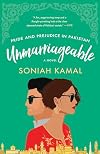
This modern retelling of Pride and Prejudice, set in Pakistan at the turn of the millennium, has been on my Amazon wishlist for months and even when the price kept dropping, I wasn't in the mood to download and read the story - until now! P+P isn't my favourite Austen novel - that honour goes to Emma - but I love adaptations and Indian/Pakistan society certainly fits the old-fashioned motifs of Austen's work, so even though the story could have been shorter and the writing more concise, I show more did enjoy Soniah Kamal's take on what I consider to be Austen's 'primer' novel in the end.
We all know what happens in Pride and Prejudice, and Unmarriageable is a kissing cousin to the original, so I'll just say that I loved the Lizzie character Alys Binat, perhaps more than Miss Bennet herself! I'm sort of sad that she had to marry Valentine Darsee at all, after protesting rather too convincingly how she prefers the single life (‘I’ll never be lonely’ – Alys gave a satisfied sigh – ‘because I’ll always have books.’) Her younger sisters call her 'aunty', a less than affectionate name for older, interfering women, because she is always lecturing them about education (she's a teacher in an English language school), independence and not getting married out of duty. Like Mrs Bennet, all Alys' mother wants is to marry off her daughters, to anyone who will take them. Her advice on how to 'grab it' is hilarious:
‘Jena, Alys,’ Mrs Binat said, ‘shame on both of you if this wedding ends and you remain unmarried. Cast your nets wide, reel it in, grab it, grab it. But do not come across as too fast or forward, for a girl with a loose reputation is one step away from being damaged goods and ending up a spinster. Keep your distance without keeping your distance. Let him caress you without coming anywhere near you. Coo sweet somethings into his ears without opening your mouth. Before he even realises there is a trap, he will have proposed. Do you understand?’
The plot follows Austen's novel almost to the letter, apart from a very soap opera twist to the Darcy/Wickham backstory, and Alys is always referring to Austen's work herself, being an English teacher. And she gets bonus points for confessing that ‘Darcy is overrated,’ Alys said. ‘Mr Knightley from Emma won my heart when he defended Miss Bates from Emma’s mockery.’ That said, for all her knowing observations about her favourite author - ‘I’m the omniscient narrator and observer in Austen’s novels' - Alys never recognises that she is living Pride and Prejudice, which is jarring. She even talks about Darcy and Darsee at one point, and I was thinking, 'Come on, now would be the perfect time for an out of body experience', but no.
I also liked how the author built on the double standards in Pakistani culture to make the relationships in Austen's novel work in a modern setting - how women are judged on their 'purity' and pressured to marry and have children - and her commentary on postcolonial literature (I've added Sunlight on a Broken Column by Attia Hosain to my wishlist!) Perhaps a bit wordy in places, but very thought-provoking. show less
We all know what happens in Pride and Prejudice, and Unmarriageable is a kissing cousin to the original, so I'll just say that I loved the Lizzie character Alys Binat, perhaps more than Miss Bennet herself! I'm sort of sad that she had to marry Valentine Darsee at all, after protesting rather too convincingly how she prefers the single life (‘I’ll never be lonely’ – Alys gave a satisfied sigh – ‘because I’ll always have books.’) Her younger sisters call her 'aunty', a less than affectionate name for older, interfering women, because she is always lecturing them about education (she's a teacher in an English language school), independence and not getting married out of duty. Like Mrs Bennet, all Alys' mother wants is to marry off her daughters, to anyone who will take them. Her advice on how to 'grab it' is hilarious:
‘Jena, Alys,’ Mrs Binat said, ‘shame on both of you if this wedding ends and you remain unmarried. Cast your nets wide, reel it in, grab it, grab it. But do not come across as too fast or forward, for a girl with a loose reputation is one step away from being damaged goods and ending up a spinster. Keep your distance without keeping your distance. Let him caress you without coming anywhere near you. Coo sweet somethings into his ears without opening your mouth. Before he even realises there is a trap, he will have proposed. Do you understand?’
The plot follows Austen's novel almost to the letter, apart from a very soap opera twist to the Darcy/Wickham backstory, and Alys is always referring to Austen's work herself, being an English teacher. And she gets bonus points for confessing that ‘Darcy is overrated,’ Alys said. ‘Mr Knightley from Emma won my heart when he defended Miss Bates from Emma’s mockery.’ That said, for all her knowing observations about her favourite author - ‘I’m the omniscient narrator and observer in Austen’s novels' - Alys never recognises that she is living Pride and Prejudice, which is jarring. She even talks about Darcy and Darsee at one point, and I was thinking, 'Come on, now would be the perfect time for an out of body experience', but no.
I also liked how the author built on the double standards in Pakistani culture to make the relationships in Austen's novel work in a modern setting - how women are judged on their 'purity' and pressured to marry and have children - and her commentary on postcolonial literature (I've added Sunlight on a Broken Column by Attia Hosain to my wishlist!) Perhaps a bit wordy in places, but very thought-provoking. show less
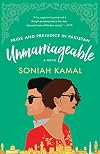
I loved this book! Being a huge Pride and Prejudice fan, I am justifiably wary of retellings, but this is the best I've ever read. The major reason is that the author has set the novel in a modern culture that right now reflects all the major social issues in Regency England in terms of class, money, and the options open to women. As she uses Austen's story to continue to explore these issues, she introduces us to the wealth of Pakistani culture (oh, the food!!) and postcolonial issues as show more well for a rich, compelling and entertaining story.
I received a complimentary copy of this book through the Early Reviewers program. show less
I received a complimentary copy of this book through the Early Reviewers program. show less
 This review was written for LibraryThing Early Reviewers.
Soniah Kamal's retelling of Jane Austen's novel Pride and Prejudice (P and P) was an entertaining read. Pakistan and Austen's world share many of the same constraints on women--especially an emphasis on marrying well over for love and a total unacceptance of premarital sex.
In Unmarriageable, Elizabeth and Jane become Alys and Jena Binat, schoolteachers who have intelligence and beauty yet are spinsters in their early thirties. Jena is shy and sweet; Alys is an ardent feminist who pushes her show more students to think for themselves.
The younger sisters include the Muslim fundamentalist Mari, the precocious boy-crazy and fashion-obsessed Lady, and the unhappily overweight Qitty. The family is not of the best kind, for Mr. Binat was bilked out of his inheritance which brought downsizing in house and budget, and Mrs. Binat's grandmother is rumored to have been a prostitute.
Aly's friend Sherry is forty-one but still has hopes of 'grabbing' a husband and finally experiencing a sexual encounter with a man. Every evening Alys and Sherry meet in the local cemetery, and under the pretense of feeding the birds, enjoy a cigarette and a heart-to-heart talk.
Alys and Jena meet the well-to-do Bungles and Darsee at a wedding celebration. Bungles is obviously taken by Jena. But she won't make 'you-you' eyes at him for fear of being considered a slut. Alys and Darsee, of course, stumble through a series of misunderstandings and dislike.
Just reading about Pakistani wedding traditions is interesting. And the fashions! The food! Oh, how my mouth watered over eggplant in tomatoes, ginger chicken, seekh kabobs, naan, korma, and rose-flavored cake with a cup of chai.
The novel is not a rewriting of Austen's classic but does follow the plot line. We know what is going to happen. But I completely enjoyed this novel for on its own merits.
Kamal channels Austen's irony.
When Jena twists her ankle, Bungles carries her to the car and rushes to the clinic. Kamal writes, "The clinic was an excellent facility, as all facilities that carer to excellent people tend to be, because excellent people demand excellence, unlike those who are grateful for what they receive."
There is a lot of talk about literature. Book titles are dropped throughout many conversations. The characters often speak about Austen in an ironic twist.
Annie Benna dey Bagh comments that she found P and P "helpful in an unexpected way...I decided that, no matter how ill I got, I'd never turn or be turned into Anne de Bourgh."
"Thankfully, we don't live in a novel," Alys comments. And yet Sherry channels Charlotte Lucas in marrying for financial security although she does have the choice to be self-supporting.
Darsee and Alys agree on many points in these conversations about literature and Pakistan's colonial heritage.
"I believe, Alys said to Darsee, "A book and an author can belong to more than one country or culture. English came with the colonizers, but its literature is part of our heritage took as in pre-partition writing."
When Wickaam comes on the scene, English Literature teacher Alys is appalled by his preference that films are better than books. He is drop-dead gorgeous and spins his lies to cover his unsavory history.
Kamal includes loads of nods to Austen. Minor characters are named Thomas Fowle and Harris Bigg-Wither, real people in Jane's life.
Alys often parodies the famous opening line of P and P, such as "it was a truth universally acknowledged that people enter our lives in order to recommend reads."
Thankfully, a Goodreads win brought this book into my life! show less
In Unmarriageable, Elizabeth and Jane become Alys and Jena Binat, schoolteachers who have intelligence and beauty yet are spinsters in their early thirties. Jena is shy and sweet; Alys is an ardent feminist who pushes her show more students to think for themselves.
The younger sisters include the Muslim fundamentalist Mari, the precocious boy-crazy and fashion-obsessed Lady, and the unhappily overweight Qitty. The family is not of the best kind, for Mr. Binat was bilked out of his inheritance which brought downsizing in house and budget, and Mrs. Binat's grandmother is rumored to have been a prostitute.
Aly's friend Sherry is forty-one but still has hopes of 'grabbing' a husband and finally experiencing a sexual encounter with a man. Every evening Alys and Sherry meet in the local cemetery, and under the pretense of feeding the birds, enjoy a cigarette and a heart-to-heart talk.
Alys and Jena meet the well-to-do Bungles and Darsee at a wedding celebration. Bungles is obviously taken by Jena. But she won't make 'you-you' eyes at him for fear of being considered a slut. Alys and Darsee, of course, stumble through a series of misunderstandings and dislike.
Just reading about Pakistani wedding traditions is interesting. And the fashions! The food! Oh, how my mouth watered over eggplant in tomatoes, ginger chicken, seekh kabobs, naan, korma, and rose-flavored cake with a cup of chai.
The novel is not a rewriting of Austen's classic but does follow the plot line. We know what is going to happen. But I completely enjoyed this novel for on its own merits.
Kamal channels Austen's irony.
When Jena twists her ankle, Bungles carries her to the car and rushes to the clinic. Kamal writes, "The clinic was an excellent facility, as all facilities that carer to excellent people tend to be, because excellent people demand excellence, unlike those who are grateful for what they receive."
There is a lot of talk about literature. Book titles are dropped throughout many conversations. The characters often speak about Austen in an ironic twist.
Annie Benna dey Bagh comments that she found P and P "helpful in an unexpected way...I decided that, no matter how ill I got, I'd never turn or be turned into Anne de Bourgh."
"Thankfully, we don't live in a novel," Alys comments. And yet Sherry channels Charlotte Lucas in marrying for financial security although she does have the choice to be self-supporting.
Darsee and Alys agree on many points in these conversations about literature and Pakistan's colonial heritage.
"I believe, Alys said to Darsee, "A book and an author can belong to more than one country or culture. English came with the colonizers, but its literature is part of our heritage took as in pre-partition writing."
When Wickaam comes on the scene, English Literature teacher Alys is appalled by his preference that films are better than books. He is drop-dead gorgeous and spins his lies to cover his unsavory history.
Kamal includes loads of nods to Austen. Minor characters are named Thomas Fowle and Harris Bigg-Wither, real people in Jane's life.
Alys often parodies the famous opening line of P and P, such as "it was a truth universally acknowledged that people enter our lives in order to recommend reads."
Thankfully, a Goodreads win brought this book into my life! show less
Lists
Awards


You May Also Like


Associated Authors
Statistics
- Works
- 3
- Also by
- 3
- Members
- 543
- Popularity
- #45,915
- Rating
- 3.8
- Reviews
- 63
- ISBNs
- 21
