
Luigi Musolino
Author of A Different Darkness and Other Abominations
Works by Luigi Musolino
Uironda (k_noir Vol. 13) 2 copies
Associated Works
Elemental Forces: Horror Short Stories (The Flame Tree Book of Horror) (2024) — Contributor — 13 copies
Tagged
Common Knowledge
There is no Common Knowledge data for this author yet. You can help.
Members
Reviews
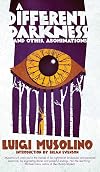
The stories of Luigi Musolino, born and bred in the provinces of Turin, inhabit a world of rural shadows and eerie disorientation. Musolino is well-known as a horror author in his native Italy, and hopefully he will now be discovered and enjoyed by an international audience thanks to the ever-adventurous Valancourt Books, who featured a translation of his story Uironda in their first volume of “World Horror Stories”, and have now published a collection of his stories in an English show more translation by Valancourt co-founder James D. Jenkins. A Different Darkness and Other Abominations features an introduction by Brian Evenson, who succinctly describes these tales as “compelling, disturbing, and surprising.”
Most of the stories are set in Orlasco or the larger, neighbouring, Idrasca. Orlasco is “a rosary of houses and potato fields”, “a little village of one thousand souls located six kilometers from Pinerolo, twenty-eight from Turin, at the foot of the Alps”. Sometimes, the rural setting is only marginally important. The brilliant “The Last Box”, for instance, is about a grieving contortionist who comes up with a seemingly impossible way of making contact with his wife, a trapeze artist who died during a show held in Orlasco. If Orlasco, in this story, is simply a stop on the circus troupe’s route, in others it takes centre stage, its small-town feel evoking a sense of claustrophobia, hopelessness and futility. Indeed, although the rural setting might lead one to expect stories in the “folk horror” tradition, Musolino’s works lean more towards the cosmic, existential pessimism and despair of a Ligotti. The horror, very often, lies in the fact that “normality” may go askew, and the mundane may suddenly uncover unspeakable terrors.
Consider, for instance, the protagonist in “Lactic Acid”, who goes on a run, takes a short cut, and finds himself in suddenly hostile terrain existing, seemingly and frustratingly, on a different plane. For the hapless jogger, there was no turning back. The same happens to the truck driver in “Uironda” who ends up in “a place that doesn’t exist but is there”. In “Black Hills of Torment”, the villagers wake up to find their community haunted by the weird imaginings of a disturbed youth who had gone missing some time before. The surrounding mountains have been replaced by two-dimensional “black hills”, hemming the village in, and shutting out all routes of escape. Musolino introduces a diabolically inventive touch – all the radios, speakers and devices in the town continuously blast out the voice of Wilma Goich singing “Le colline sono in fiore.” Now, I’m not sure how familiar this will be to international readers, but no one raised on a diet of Italian tv and radio will fail to recognise this particularly cheesy, yet catchy tune, which does have all the makings of a pesky earworm (I kept finding myself humming it for around a week after reading the story...)
Some of the featured pieces can be read as allegories of grief, often linked to the loss of innocence, or to bad things happening to children. This is the case with the novella “Pupils” (originally published in Italy as a standalone book) a reworking of the Pied Piper myth set in Idrasca, and with “A Different Darkness”, the title story, taken from Musolino’s latest collection Un Buio Diverso. In the latter, a couple still reeling from the unexplained and unsolved disappearance of their little daughter discover a bottomless pit in the basement of their apartment block, whose “different darkness” promises to reunite them with their loved one, but at a terrible cost. The metaphor is clear – the black well standing in for guilt, grief, obsession and depression.
The volume also includes four stories taken from Oscure Regioni (“Dark Regions”) a two-volume publication from 2015-2016 in which Musolino, an expert in Italian folklore, reworks mythical monsters typical of different Italian regions into contemporary tales. Although they share some themes with the other featured works, these stories have a decidedly different feel to them, closer to classic folk-horror. Les Abominations des Altitudes in particular, has echoes of Algernon Blackwood, as Brian Evenson points out in his introduction and The Carnival of the Stag Man is almost Machen-like.
Horror may still tend to be dominated by English-language authors, but this collection (and others published by Valancourt) should serve to set the record straight. Make no mistake, Musolino’s stories are world-class. Like the couple in the title-story, they make you look into a dark, yet siren-like void, before you giddily (and cathartically?) pull back to normality.
Full review at: https://endsoftheword.blogspot.com/2023/10/A-Different-Darkness-Musolino-Valanco... show less
Most of the stories are set in Orlasco or the larger, neighbouring, Idrasca. Orlasco is “a rosary of houses and potato fields”, “a little village of one thousand souls located six kilometers from Pinerolo, twenty-eight from Turin, at the foot of the Alps”. Sometimes, the rural setting is only marginally important. The brilliant “The Last Box”, for instance, is about a grieving contortionist who comes up with a seemingly impossible way of making contact with his wife, a trapeze artist who died during a show held in Orlasco. If Orlasco, in this story, is simply a stop on the circus troupe’s route, in others it takes centre stage, its small-town feel evoking a sense of claustrophobia, hopelessness and futility. Indeed, although the rural setting might lead one to expect stories in the “folk horror” tradition, Musolino’s works lean more towards the cosmic, existential pessimism and despair of a Ligotti. The horror, very often, lies in the fact that “normality” may go askew, and the mundane may suddenly uncover unspeakable terrors.
Consider, for instance, the protagonist in “Lactic Acid”, who goes on a run, takes a short cut, and finds himself in suddenly hostile terrain existing, seemingly and frustratingly, on a different plane. For the hapless jogger, there was no turning back. The same happens to the truck driver in “Uironda” who ends up in “a place that doesn’t exist but is there”. In “Black Hills of Torment”, the villagers wake up to find their community haunted by the weird imaginings of a disturbed youth who had gone missing some time before. The surrounding mountains have been replaced by two-dimensional “black hills”, hemming the village in, and shutting out all routes of escape. Musolino introduces a diabolically inventive touch – all the radios, speakers and devices in the town continuously blast out the voice of Wilma Goich singing “Le colline sono in fiore.” Now, I’m not sure how familiar this will be to international readers, but no one raised on a diet of Italian tv and radio will fail to recognise this particularly cheesy, yet catchy tune, which does have all the makings of a pesky earworm (I kept finding myself humming it for around a week after reading the story...)
Some of the featured pieces can be read as allegories of grief, often linked to the loss of innocence, or to bad things happening to children. This is the case with the novella “Pupils” (originally published in Italy as a standalone book) a reworking of the Pied Piper myth set in Idrasca, and with “A Different Darkness”, the title story, taken from Musolino’s latest collection Un Buio Diverso. In the latter, a couple still reeling from the unexplained and unsolved disappearance of their little daughter discover a bottomless pit in the basement of their apartment block, whose “different darkness” promises to reunite them with their loved one, but at a terrible cost. The metaphor is clear – the black well standing in for guilt, grief, obsession and depression.
The volume also includes four stories taken from Oscure Regioni (“Dark Regions”) a two-volume publication from 2015-2016 in which Musolino, an expert in Italian folklore, reworks mythical monsters typical of different Italian regions into contemporary tales. Although they share some themes with the other featured works, these stories have a decidedly different feel to them, closer to classic folk-horror. Les Abominations des Altitudes in particular, has echoes of Algernon Blackwood, as Brian Evenson points out in his introduction and The Carnival of the Stag Man is almost Machen-like.
Horror may still tend to be dominated by English-language authors, but this collection (and others published by Valancourt) should serve to set the record straight. Make no mistake, Musolino’s stories are world-class. Like the couple in the title-story, they make you look into a dark, yet siren-like void, before you giddily (and cathartically?) pull back to normality.
Full review at: https://endsoftheword.blogspot.com/2023/10/A-Different-Darkness-Musolino-Valanco... show less

Recensione: http://thereadingpal.blogspot.it/2017/05/recensione-97-oscure-regioni-vol-1.html
L'orrore è mutevole. Assume forme complesse, si rintana negli angoli bui delle cascine e nei fienili di campagna, fluttua nelle strade vuote delle città, quando l'ora è tarda e la foschia si alza dal terreno come un vapore venefico, che fa male ai polmoni.
L'orrore è una telefonata nel cuore della notte, quando stai dormendo un sonno pesante e gli incubi sono le tue lenzuola, e cerchi di difenderti show more da cose troppo vaghe per poter essere descritte. Perché quell'augurio pronunciato quando ci si corica, buonanotte, è una fandonia: nel pieno della Nox anche lo squillo del telefono può farti morire di crepacuore.
Oscure Regioni è una raccolta di racconti dell'orrore, incentrati su storie e miti dell'Italia. Ognuno dei racconti è ambientato in una regione diversa. C'è un secondo volume, che è sul mio scaffale e aspetta di essere letto, ma non so quando lo farò.
Per quanto riguarda questo primo libro, vi dico subito che Luigi Musolino scrive piuttosto bene, e posso assicurarvi che i racconti sono tutti di ottimo livello, anche se alcuni mi sono piaciuti più di altri.
Ho dato un voto ad ogni racconto, come faccio ogni volta:
Il libro di Malanina 4.5/5
La signora delle Cisterne 4/5
Il piccolo Re 4/5
'O Mammone 5/5
Nanni Orcu 4/5
Sibillini occhi d'avorio 5/5
Cani d'acqua 5/5
I nastri di Larrie 5/5
Sa Reina 5/5
Crustumium, la Profondata 5/5
Grazie a questi dieci racconti visitiamo dieci regioni diverse e veniamo a conoscenza di alcune credenze e miti ivi presenti. Musolino, nell'intervista alla fine della raccolta, dice di aver "calcato la mano" alle leggende per renderle un po' più horror e moderne: non conoscendo molte di esse, la mia curiosità si è risvegliata e ho deciso che, appena avrò un po' di tempo, farò delle ricerche per conto mio.
Tutti questi racconti sono legati da un filo stretto, quello dell'Italia che non è solo un paese "di sole e di mare", ma nasconde miti ancestrali che contengono in sé le paure degli uomini e verità che non riescono a percepire con la razionalità.
In Il libro di Malanina siamo in Piemonte, e il racconto è incentrato sulle masche, che sono una sorta di streghe. Questo primo racconto ci fa entrare direttamente nell'umore adatto a leggere il libro e capiamo subito che, se vogliamo dei finali a lieto fine e una bella fiabetta, dobbiamo cambiare lettura. Io, con piacere, ho continuato, e con La signora delle Cisterne mi sono fatta un bel viaggetto in Sicilia, per poi passare in Abruzzo con Il piccolo Re. Con 'O Mammone si va in Campania, per poi andare in Puglia, Marche, Calabria, Lombardia, Sardegna, Emilia Romagna.
Per quanto riguarda i personaggi, non posso dire molto perché sono diversi in ogni racconto. Si ritrovano a vivere cose che non dovrebbero accadere, e vedere creature che non dovrebbero esistere. E in alcuni racconti, è possibile che essi siano reali come che siano nelle loro menti, raffigurazioni di cose che tengono nascoste anche a loro stessi. E' questo che fa davvero paura, perché se i mostri sono all'esterno è un conto, ma se sono dentro la nostra testa, tra i nostri pensieri, è tutta un'altra storia...
Ho praticamente divorato questo libro: Musolino ha un vero talento nello sfruttare questi miti per le proprie storie, tanto che molte volte mi sono ritrovata a provare quello che provavano i personaggi. Sensazioni, sentimenti, e l'orrore per quello che si trovavano di fronte. Di notte o di giorno non fa differenza, ve l'assicuro: questo viaggio nelle regioni italiane vi lascerà con un senso di terrore misto a curiosità che difficilmente se ne andrà, alla fine.
Voi lo avete letto? E cosa ne avete pensato? show less
L'orrore è mutevole. Assume forme complesse, si rintana negli angoli bui delle cascine e nei fienili di campagna, fluttua nelle strade vuote delle città, quando l'ora è tarda e la foschia si alza dal terreno come un vapore venefico, che fa male ai polmoni.
L'orrore è una telefonata nel cuore della notte, quando stai dormendo un sonno pesante e gli incubi sono le tue lenzuola, e cerchi di difenderti show more da cose troppo vaghe per poter essere descritte. Perché quell'augurio pronunciato quando ci si corica, buonanotte, è una fandonia: nel pieno della Nox anche lo squillo del telefono può farti morire di crepacuore.
Oscure Regioni è una raccolta di racconti dell'orrore, incentrati su storie e miti dell'Italia. Ognuno dei racconti è ambientato in una regione diversa. C'è un secondo volume, che è sul mio scaffale e aspetta di essere letto, ma non so quando lo farò.
Per quanto riguarda questo primo libro, vi dico subito che Luigi Musolino scrive piuttosto bene, e posso assicurarvi che i racconti sono tutti di ottimo livello, anche se alcuni mi sono piaciuti più di altri.
Ho dato un voto ad ogni racconto, come faccio ogni volta:
Il libro di Malanina 4.5/5
La signora delle Cisterne 4/5
Il piccolo Re 4/5
'O Mammone 5/5
Nanni Orcu 4/5
Sibillini occhi d'avorio 5/5
Cani d'acqua 5/5
I nastri di Larrie 5/5
Sa Reina 5/5
Crustumium, la Profondata 5/5
Grazie a questi dieci racconti visitiamo dieci regioni diverse e veniamo a conoscenza di alcune credenze e miti ivi presenti. Musolino, nell'intervista alla fine della raccolta, dice di aver "calcato la mano" alle leggende per renderle un po' più horror e moderne: non conoscendo molte di esse, la mia curiosità si è risvegliata e ho deciso che, appena avrò un po' di tempo, farò delle ricerche per conto mio.
Tutti questi racconti sono legati da un filo stretto, quello dell'Italia che non è solo un paese "di sole e di mare", ma nasconde miti ancestrali che contengono in sé le paure degli uomini e verità che non riescono a percepire con la razionalità.
In Il libro di Malanina siamo in Piemonte, e il racconto è incentrato sulle masche, che sono una sorta di streghe. Questo primo racconto ci fa entrare direttamente nell'umore adatto a leggere il libro e capiamo subito che, se vogliamo dei finali a lieto fine e una bella fiabetta, dobbiamo cambiare lettura. Io, con piacere, ho continuato, e con La signora delle Cisterne mi sono fatta un bel viaggetto in Sicilia, per poi passare in Abruzzo con Il piccolo Re. Con 'O Mammone si va in Campania, per poi andare in Puglia, Marche, Calabria, Lombardia, Sardegna, Emilia Romagna.
Per quanto riguarda i personaggi, non posso dire molto perché sono diversi in ogni racconto. Si ritrovano a vivere cose che non dovrebbero accadere, e vedere creature che non dovrebbero esistere. E in alcuni racconti, è possibile che essi siano reali come che siano nelle loro menti, raffigurazioni di cose che tengono nascoste anche a loro stessi. E' questo che fa davvero paura, perché se i mostri sono all'esterno è un conto, ma se sono dentro la nostra testa, tra i nostri pensieri, è tutta un'altra storia...
Ho praticamente divorato questo libro: Musolino ha un vero talento nello sfruttare questi miti per le proprie storie, tanto che molte volte mi sono ritrovata a provare quello che provavano i personaggi. Sensazioni, sentimenti, e l'orrore per quello che si trovavano di fronte. Di notte o di giorno non fa differenza, ve l'assicuro: questo viaggio nelle regioni italiane vi lascerà con un senso di terrore misto a curiosità che difficilmente se ne andrà, alla fine.
Voi lo avete letto? E cosa ne avete pensato? show less
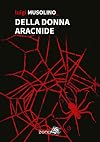
Luigi Musolino è un grandissimo autore di storie horror. Scritte benissimo, originali e non scopiazzate in qua e in là. Io spero che continui a scrivere. Molto consigliato ma solo agli amanti del vero horror.
Awards


You May Also Like
Associated Authors
Statistics
- Works
- 8
- Also by
- 3
- Members
- 53
- Popularity
- #303,172
- Rating
- 4.2
- Reviews
- 5
- ISBNs
- 6
- Languages
- 1