

Allan Scott (3) (1906–1995)
Author of Top Hat [1935 film]
For other authors named Allan Scott, see the disambiguation page.
Works by Allan Scott
Fred & Ginger: The Collection Vol. 1: Top Hat / Follow The Fleet / Shall We Dance / Carefree — Screenwriter — 5 copies
Associated Works
Tagged
Common Knowledge
- Birthdate
- 1906-05-23
- Date of death
- 1995-04-13
- Gender
- male
- Occupations
- screenwriter
- Relationships
- Scott, Pippa (daughter)
Scott, Adrian (brother) - Nationality
- USA
- Associated Place (for map)
- USA
Members
Reviews

“We must have faith. We will fight to the death to make those tender and sentimental beliefs, like Christmas, a reality forever." — The chaplain in a quiet and solemn moment aboard a ship bound for Battan, while nurses gather around the Christmas tree.
This superb wartime drama deserves to be mentioned in the same breath as Mrs. Miniver. Those who dismiss it offhand as propaganda would do well to view it first and try not being moved by it. Based on the stories of eight real nurses who show more had survived Bataan and Corregidor, and were still serving their country, it offers a very real look at the dark early days of WWII, when men and women were doing little more than buy America time to regroup after the attack on Pearl Harbor. Director Mark Sandrich, remembered more today for his wonderful films with Fred Astaire and Ginger Rogers, makes this long yet tender tribute to those nurses and soldiers a film every American should see.
Claudette Colbert, Paulette Goddard, and Veronica Lake make you forget about their beauty and glamour a few moments into the film as the viewer is swept up in their plight. Written by Allan Scott, and photographed by Charles Lang, with a fabulous score by Miklos Rosza, all three leads shine at various times throughout the film. Lake owns the first portion of the film, Goddard the middle, and Colbert the end. Colbert is the anchor, however, becoming more accessible as the film goes on. George Reeves, as Colbert's sweetheart, and Sonny Tufts especially, as Goddard's, make this film charming and heartbreaking, elevating it beyond Hollywood's standard take on WWII nurses.
As the film opens, the nurses are returning home from harrowing tours in Bataan and Corregidor. But something traumatic has silenced their leader, Lt. Janet (Davy) Davidson, who desired to remain behind, and now will not speak. The doctor believes the only way to help her is to know in full the background of what happened to them. So as painful as it is to talk about, Joan O'Doul (Goddard) and the other girls relate their story. What follows is a tender and moving tragedy made up of many little tragedies suffered by Americans during those early days of the war.
Davy and Janet find themselves on a ship in the middle of the Pacific awaiting orders after the attack on Pearl harbor. Veronica Lake joins the nurses in the shaky and uncertain future before them. Olivia (Lake) will not make friends or socialize with the other nurses. Only after they discover they are heading to Bataan, a place none have ever heard of, does Davy finally reach inside and pull out of her the heartbreaking reason she must go with them. Lake, so inextricably linked with Alan Ladd due to the wonderful pairing of the two stars, has one of her finest moments on film here. She will have another when the nurses must escape from the oncoming Japanese soldiers or suffer the fate of those women at Nanking. It is the pivotal dramatic moment in the film, changing the film's tone and letting us know that this is a serious film about war and sacrifice.
The human element is never lost amidst the bombings and makeshift hospitals, as letters from home, wartime romance, and the impending chance they may themselves not survive are handled extraordinarily well by director Sandrich. Colbert is excellent throughout as their solid leader, trying not to fall in love with a soldier (George Reeves) taken with her.
It is Goddard's Joan who lights up the screen, however, changing from a frivolous and flirtatious young woman into a woman of depth, a transformation brought about by war and circumstance. Her unexpected romantic attachment to a sweet but none-too-bright soldier named Kansas has both charm and a sense of realism. Sonny Tufts excels in the role of Kansas and left a real impression on moviegoers in 1943.
Little moments of normalcy and fun, such as Joan's black evening dress she takes or wears everywhere, even underneath the kaki, and Davy's Tojo, the tiny monkey given her by John, who becomes their mascot, are offset by deflating war news of convoys they were counting on for relief being sunk. There are constant bombings of the hospitals during the early days of the war as well. In this way, it is a very real picture of what happened, with war interrupting lives, taking people in directions they could not have foreseen. Mary Servoss gives a fine performance also as the Captain who suffers a loss greater than any should ever have to bear. Barbara Britton and Walter Abel round out a fine cast.
Those who either dismiss this film without seeing it first, or give up on it after the first half hour, are truly missing out on one of the most moving tributes to those who served their country during those dark early days of WWII ever filmed. Some truly did give all. A touching and fabulous film not to be missed. show less
This superb wartime drama deserves to be mentioned in the same breath as Mrs. Miniver. Those who dismiss it offhand as propaganda would do well to view it first and try not being moved by it. Based on the stories of eight real nurses who show more had survived Bataan and Corregidor, and were still serving their country, it offers a very real look at the dark early days of WWII, when men and women were doing little more than buy America time to regroup after the attack on Pearl Harbor. Director Mark Sandrich, remembered more today for his wonderful films with Fred Astaire and Ginger Rogers, makes this long yet tender tribute to those nurses and soldiers a film every American should see.
Claudette Colbert, Paulette Goddard, and Veronica Lake make you forget about their beauty and glamour a few moments into the film as the viewer is swept up in their plight. Written by Allan Scott, and photographed by Charles Lang, with a fabulous score by Miklos Rosza, all three leads shine at various times throughout the film. Lake owns the first portion of the film, Goddard the middle, and Colbert the end. Colbert is the anchor, however, becoming more accessible as the film goes on. George Reeves, as Colbert's sweetheart, and Sonny Tufts especially, as Goddard's, make this film charming and heartbreaking, elevating it beyond Hollywood's standard take on WWII nurses.
As the film opens, the nurses are returning home from harrowing tours in Bataan and Corregidor. But something traumatic has silenced their leader, Lt. Janet (Davy) Davidson, who desired to remain behind, and now will not speak. The doctor believes the only way to help her is to know in full the background of what happened to them. So as painful as it is to talk about, Joan O'Doul (Goddard) and the other girls relate their story. What follows is a tender and moving tragedy made up of many little tragedies suffered by Americans during those early days of the war.
Davy and Janet find themselves on a ship in the middle of the Pacific awaiting orders after the attack on Pearl harbor. Veronica Lake joins the nurses in the shaky and uncertain future before them. Olivia (Lake) will not make friends or socialize with the other nurses. Only after they discover they are heading to Bataan, a place none have ever heard of, does Davy finally reach inside and pull out of her the heartbreaking reason she must go with them. Lake, so inextricably linked with Alan Ladd due to the wonderful pairing of the two stars, has one of her finest moments on film here. She will have another when the nurses must escape from the oncoming Japanese soldiers or suffer the fate of those women at Nanking. It is the pivotal dramatic moment in the film, changing the film's tone and letting us know that this is a serious film about war and sacrifice.
The human element is never lost amidst the bombings and makeshift hospitals, as letters from home, wartime romance, and the impending chance they may themselves not survive are handled extraordinarily well by director Sandrich. Colbert is excellent throughout as their solid leader, trying not to fall in love with a soldier (George Reeves) taken with her.
It is Goddard's Joan who lights up the screen, however, changing from a frivolous and flirtatious young woman into a woman of depth, a transformation brought about by war and circumstance. Her unexpected romantic attachment to a sweet but none-too-bright soldier named Kansas has both charm and a sense of realism. Sonny Tufts excels in the role of Kansas and left a real impression on moviegoers in 1943.
Little moments of normalcy and fun, such as Joan's black evening dress she takes or wears everywhere, even underneath the kaki, and Davy's Tojo, the tiny monkey given her by John, who becomes their mascot, are offset by deflating war news of convoys they were counting on for relief being sunk. There are constant bombings of the hospitals during the early days of the war as well. In this way, it is a very real picture of what happened, with war interrupting lives, taking people in directions they could not have foreseen. Mary Servoss gives a fine performance also as the Captain who suffers a loss greater than any should ever have to bear. Barbara Britton and Walter Abel round out a fine cast.
Those who either dismiss this film without seeing it first, or give up on it after the first half hour, are truly missing out on one of the most moving tributes to those who served their country during those dark early days of WWII ever filmed. Some truly did give all. A touching and fabulous film not to be missed. show less

A film starring Tommy Rettig (Columbia, 1953).
A boy dreams about being imprisoned by an evil piano teacher.
C+ (Okay).
This movie is deeply weird and I really wanted to like it. It's basically a Dr. Seuss book transferred directly to the screen, which is great - for about 20 minutes. In the end, a feature-length dream sequence was always going to be tedious, no matter how delightful everything in it is.
(Mar. 2023)
A boy dreams about being imprisoned by an evil piano teacher.
C+ (Okay).
This movie is deeply weird and I really wanted to like it. It's basically a Dr. Seuss book transferred directly to the screen, which is great - for about 20 minutes. In the end, a feature-length dream sequence was always going to be tedious, no matter how delightful everything in it is.
(Mar. 2023)
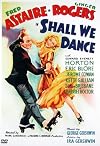
Two dancers are falsely rumored to be married.
It's Astaire and Rogers, doing what they do, so of course it's good. But by 1937 they've already performed the best dance numbers ever put on screen, so the attempts to do something "new" are naturally underwhelming. There's a lot of superficial novelty (ballet, roller skates, Ginger Rogers masks (so damn creepy)), which is silly considering how extremely unoriginal a movie it is. Also, there's no payoff for Astaire's character's hints at a new show more dance style combining tap and ballet, which is confusing.
Concept: D
Story: D
Characters: C
Dialog: B
Pacing: B
Cinematography: B
Special effects/design: C
Acting: B
Music: A
Enjoyment: B
GPA: 2.5/4 show less
It's Astaire and Rogers, doing what they do, so of course it's good. But by 1937 they've already performed the best dance numbers ever put on screen, so the attempts to do something "new" are naturally underwhelming. There's a lot of superficial novelty (ballet, roller skates, Ginger Rogers masks (so damn creepy)), which is silly considering how extremely unoriginal a movie it is. Also, there's no payoff for Astaire's character's hints at a new show more dance style combining tap and ballet, which is confusing.
Concept: D
Story: D
Characters: C
Dialog: B
Pacing: B
Cinematography: B
Special effects/design: C
Acting: B
Music: A
Enjoyment: B
GPA: 2.5/4 show less

Boy meets girl, girl mistakes boy for her friend's husband.
Only one of the dance numbers is as jaw-droppingly joy-inducing as the stuff in Swing Time, but it's pretty much all delightful. Fred and Ginger are charming, and the supporting cast performs miracles by making great comedy out of a script that might have been something you just sit through while waiting for the next dance number.
Concept: D
Story: C
Characters: C
Dialog: B
Pacing: B
Cinematography: B
Special effects/design: C
Acting: show more A
Music: B
Enjoyment: A
GPA: 2.7/4
(Feb. 2013) show less
Only one of the dance numbers is as jaw-droppingly joy-inducing as the stuff in Swing Time, but it's pretty much all delightful. Fred and Ginger are charming, and the supporting cast performs miracles by making great comedy out of a script that might have been something you just sit through while waiting for the next dance number.
Concept: D
Story: C
Characters: C
Dialog: B
Pacing: B
Cinematography: B
Special effects/design: C
Acting: show more A
Music: B
Enjoyment: A
GPA: 2.7/4
(Feb. 2013) show less
Awards


You May Also Like
Associated Authors
Statistics
- Works
- 12
- Also by
- 4
- Members
- 392
- Popularity
- #61,821
- Rating
- 3.8
- Reviews
- 7
- ISBNs
- 87
- Languages
- 3