
Chris Anderson (13) (1957–)
Author of TED Talks: The Official TED Guide to Public Speaking
For other authors named Chris Anderson, see the disambiguation page.
About the Author
Chris Anderson is the curator of TED. Trained as a journalist after graduating from Oxford, Anderson launched over 100 successful magazines and websites before turning to TED. He lives in New York City.
Image credit: TED Curator Chris Anderson (Photo: James Duncan Davidson/TED)
Works by Chris Anderson
Thank You for Coming to My TED Talk: A Teen Guide to Great Public Speaking (2020) 35 copies, 2 reviews
Tagged
Common Knowledge
- Other names
- ANDERSON, Chris
- Birthdate
- 1957
- Gender
- male
Members
Reviews
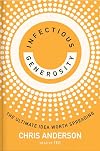
Anderson offers an inspiring, insightful and often entertaining look at how we can “leverage” our generosity to achieve impacts that go far beyond isolated acts of kindness. Confession: When Anderson promised at the start to provide “dozens of examples” of infectious generosity, his vow made me queasy (I’ve always been a “less is more” type of reader and writer). But to his credit, the collection of anecdotes contained enough variety and life-lessons to prevent reader fatigue. show more Two underlying themes examined how the Internet can turbocharge generosity, and how generosity can transform the Internet.
I was particularly interested in the author’s exploration of non-monetary forms of giving. We all know that generosity isn’t always about writing checks. Some of the most valuable acts of kindness involve giving our time, attention and energy to others. True, it’s not rocket science. Nevertheless, it’s an important reminder. The book even nudged me to end my procrastination and make a call to an acquaintance who had reached out to me weeks earlier to ask for professional advice. I also enjoyed learning about the origins of the TED movement which put the “ideas worth spreading” mantra on steroids. Finally, the book backs up the assertion that corporations can become more successful by focusing not just on return on investment, but also on return in kindness. He cites Chobani Yogurt as an example. In summary, this is an engaging and informative book that might inspire many readers to “do something for nothing.” show less
I was particularly interested in the author’s exploration of non-monetary forms of giving. We all know that generosity isn’t always about writing checks. Some of the most valuable acts of kindness involve giving our time, attention and energy to others. True, it’s not rocket science. Nevertheless, it’s an important reminder. The book even nudged me to end my procrastination and make a call to an acquaintance who had reached out to me weeks earlier to ask for professional advice. I also enjoyed learning about the origins of the TED movement which put the “ideas worth spreading” mantra on steroids. Finally, the book backs up the assertion that corporations can become more successful by focusing not just on return on investment, but also on return in kindness. He cites Chobani Yogurt as an example. In summary, this is an engaging and informative book that might inspire many readers to “do something for nothing.” show less

I grew up paying attention to my school teachers and to Southern Baptist preachers. There was a gap in what I heard. I heard lots of reason-based presentations at school. I learned in detail how the world worked (nature and humanity). I learned to think, to question, and to present myself as a reasonable human being.
However, at church, I learned something different. I learned the art of rhetoric. While at school, I learned how to evaluate an argument, at church, I learned how to make an show more argument. To present myself in a manner that worked with normal people. School taught me the dignified way of presentation; church taught me the effective way of presentation.
I hate to say it, but there's a difference. My schooling did not teach me leadership - to be effective. It did teach me efficiency - something my church pastors could have learned.
Fortunately, the TED program (as described in this book) is both effective and efficient in its aims. In it, I reminded myself of public-speaking principles for effective presentations. I learned about new, innovative ways of connecting with my audiences.
Most importantly, I learned ways that people are excited about transforming the world through thoughtful presentations. Example after example were drawn from real TED Talks about how to present effectively and efficiently. I was inspired over and over again while I honed my public speaking skills.
As the old saying goes, the world will marvel as you do common things in an uncommon way. This book definitely achieved that. Public speaking was refreshed as leadership in communication was inspired. Good rhetoric was taught. I recommend it to anyone who seeks to connect better with their fellow humans. show less
However, at church, I learned something different. I learned the art of rhetoric. While at school, I learned how to evaluate an argument, at church, I learned how to make an show more argument. To present myself in a manner that worked with normal people. School taught me the dignified way of presentation; church taught me the effective way of presentation.
I hate to say it, but there's a difference. My schooling did not teach me leadership - to be effective. It did teach me efficiency - something my church pastors could have learned.
Fortunately, the TED program (as described in this book) is both effective and efficient in its aims. In it, I reminded myself of public-speaking principles for effective presentations. I learned about new, innovative ways of connecting with my audiences.
Most importantly, I learned ways that people are excited about transforming the world through thoughtful presentations. Example after example were drawn from real TED Talks about how to present effectively and efficiently. I was inspired over and over again while I honed my public speaking skills.
As the old saying goes, the world will marvel as you do common things in an uncommon way. This book definitely achieved that. Public speaking was refreshed as leadership in communication was inspired. Good rhetoric was taught. I recommend it to anyone who seeks to connect better with their fellow humans. show less
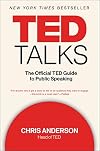
Anyone who has spoken to me in the last six months knows I love this book. I’ve been raving about it seen I first discovered it last fall.
I’ve been a TED fan for years but my interest in Anderson’s book goes beyond the TED experience to how I can incorporate his suggestions into my communications classes at UBC.
Overwhelmingly, I’ve seen students at every level ask for more instruction on public speaking. And while almost all my classes incorporate a formal presentation as part of the show more requirements, I’ve noticed that I’m not seeing a lot of improvement in student public speaking skills.
What Anderson talks about in this book is integral to the TED experience: making a talk worth sharing. Telling a story. Making it clear that you have something important to share with an audience who can benefit from hearing it. And this is the most difficult part for my students. Identifying what is important in their work.
I’ve been teaching a research writing course to graduate students in Engineering for almost a year now. I’ve seen three different classes of grad students share their writing with me. At the end of each course, students must create a short (5-minute) presentation about their research. And this is difficult for them. The audience is comprised of other graduate students and myself. An educated audience. But we all have varied levels of expertise. Because their research is usually very specialized, they must make it understandable and accessible to myself (an academic from a different discipline) and their classmates (academics from different sub-disciplines; what a mechanical engineering MA student studies is very different than what a civil engineering PhD student studies).
The research these students are engaging in is fascinating and varied. But identifying the piece in their research that is compelling to a wider audience is a challenge. Anderson’s book gives a lot of tips for doing just that. In addition, he illustrates those tips with examples from all different kinds of TED talks. Then he challenges the reader to use similar techniques to create powerful presentations.
I’ve bought the e-book, the audio book, and the print copy of this work and I then asked our UBC Librarian to order a copy for students to borrow. So you know I’m going to strongly recommend it. If you want to improve any kind of public speaking, check out Anderson’s book! show less
I’ve been a TED fan for years but my interest in Anderson’s book goes beyond the TED experience to how I can incorporate his suggestions into my communications classes at UBC.
Overwhelmingly, I’ve seen students at every level ask for more instruction on public speaking. And while almost all my classes incorporate a formal presentation as part of the show more requirements, I’ve noticed that I’m not seeing a lot of improvement in student public speaking skills.
What Anderson talks about in this book is integral to the TED experience: making a talk worth sharing. Telling a story. Making it clear that you have something important to share with an audience who can benefit from hearing it. And this is the most difficult part for my students. Identifying what is important in their work.
I’ve been teaching a research writing course to graduate students in Engineering for almost a year now. I’ve seen three different classes of grad students share their writing with me. At the end of each course, students must create a short (5-minute) presentation about their research. And this is difficult for them. The audience is comprised of other graduate students and myself. An educated audience. But we all have varied levels of expertise. Because their research is usually very specialized, they must make it understandable and accessible to myself (an academic from a different discipline) and their classmates (academics from different sub-disciplines; what a mechanical engineering MA student studies is very different than what a civil engineering PhD student studies).
The research these students are engaging in is fascinating and varied. But identifying the piece in their research that is compelling to a wider audience is a challenge. Anderson’s book gives a lot of tips for doing just that. In addition, he illustrates those tips with examples from all different kinds of TED talks. Then he challenges the reader to use similar techniques to create powerful presentations.
I’ve bought the e-book, the audio book, and the print copy of this work and I then asked our UBC Librarian to order a copy for students to borrow. So you know I’m going to strongly recommend it. If you want to improve any kind of public speaking, check out Anderson’s book! show less
TED Talks starts out a little too fluffy and feel-good-y. It's not until Chapter 3, "Common Traps," where things get more practical starting with the four don'ts: No sales pitches, no rambling, no boring your audience with how great your office/organization/team is, and no substituting style for substance thinking no one will notice. Each of these shares a commonality which is discussed in the chapter and that is TED-level presentations are about giving, not taking. The root fault of the show more four types of bad speeches is a presenter taking the audiences time and attention while giving little or nothing in return.
On the whole, TED Talks is a guidepost on how to give good speeches. Pull from what you find useful and skip the rest. However, it's not intended to replace the best way to learn: Actually giving speeches—lots of them. show less
On the whole, TED Talks is a guidepost on how to give good speeches. Pull from what you find useful and skip the rest. However, it's not intended to replace the best way to learn: Actually giving speeches—lots of them. show less
Awards


You May Also Like


Associated Authors
Statistics
- Works
- 4
- Members
- 1,075
- Popularity
- #23,918
- Rating
- 3.9
- Reviews
- 19
- ISBNs
- 250
- Languages
- 20