
Bob Barner
Author of Bugs! Bugs! Bugs!
About the Author
Image credit: www.bobbarner.com/
Series
Works by Bob Barner
Associated Works
Tagged
Common Knowledge
- Gender
- male
Members
Reviews

Author/illustrator Bob Barner offers an engaging celebration of the Day of the Dead / Día de Muertos for preschool children in this brightly-illustrated bilingual picture-book. The rhyming text describes the activities that people engage in on this holiday, which honors the spirits of one's ancestors and deceased relatives and friends. From the special treats to the decorations for the graveyard, from the singing to the dancing, this is a day to pray, to remember, and to celebrate...
Pairing show more Barner's simple text in rhyme - translated into Spanish by Teresa Mlawer - with lovely collage and mixed media artwork, The Day of the Dead / El día de los muertos offers a happy, upbeat look at a holiday celebrated in Mexico, a number of other Latin American countries, and parts of the United States. Although there is an afterword giving more information, I would have liked to see some discussion of the Day of the Dead as it relates to Allhallowtide (All Saints Eve, All Saints Day, All Souls Day), with which it coincides, and from which it takes some of its traditions. For me, one of the most fascinating aspects of Day of the Dead is its syncretism, blending European Catholic and indigenous Aztec beliefs. Of course, this is well outside the scope of this simple picture-book to explore fully. That said, some mention of All Souls/Saints Day would have allowed young readers to make connections between this cultural tradition and others the world over. Leaving that missed opportunity aside, this was an entertaining and engaging book, one I would recommend to any preschool teacher or storyteller looking for Day of the Dead titles. show less
Pairing show more Barner's simple text in rhyme - translated into Spanish by Teresa Mlawer - with lovely collage and mixed media artwork, The Day of the Dead / El día de los muertos offers a happy, upbeat look at a holiday celebrated in Mexico, a number of other Latin American countries, and parts of the United States. Although there is an afterword giving more information, I would have liked to see some discussion of the Day of the Dead as it relates to Allhallowtide (All Saints Eve, All Saints Day, All Souls Day), with which it coincides, and from which it takes some of its traditions. For me, one of the most fascinating aspects of Day of the Dead is its syncretism, blending European Catholic and indigenous Aztec beliefs. Of course, this is well outside the scope of this simple picture-book to explore fully. That said, some mention of All Souls/Saints Day would have allowed young readers to make connections between this cultural tradition and others the world over. Leaving that missed opportunity aside, this was an entertaining and engaging book, one I would recommend to any preschool teacher or storyteller looking for Day of the Dead titles. show less
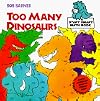
Six dinosaurs hatch on an island, and as they grow it becomes too small for them. So they swim to a nearby island, but that one is small too. What to do? They go back and forth in various combinations (great adding practice) until they are three on each. Perfect!
I loved the bright and cheery illustrations and the seamless integration of addition facts to six. My three-year-old dinosaur-crazed preschooler did too. Includes 12 dinosaur cards perfect for addition practice or memory game.
I loved the bright and cheery illustrations and the seamless integration of addition facts to six. My three-year-old dinosaur-crazed preschooler did too. Includes 12 dinosaur cards perfect for addition practice or memory game.
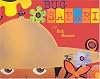
This is great for primary readers, and that's exactly who I used it with and every group that I read it to really enjoyed it. The text differentiates between insects and bugs and has a nice narrative adventure to push the pace of the text forward. It's really a well done book with a postscript that allows for some extra details about the insects found in the text.
Bug Safari tells the tale of a young explorer lost in a jungle; he encounters many different kinds of bugs and what they do (i.e., ants, bees, beetles). The narrative includes questions that heighten anxiety (“We were moving quickly—but to where and what?”) as well as informational tidbits about the bugs. Barner’s prose is clear and includes some figurative language, and the action in the story moves quickly along. The accompany illustrations are truly delightful. They include show more bright, often primary, colors and recognizable shapes with a touch of the abstract. What is lost in minute detail is made up with the sometimes exaggerated characterization displayed in the illustrations. show less
Lists
Awards


You May Also Like


Associated Authors
Statistics
- Works
- 49
- Also by
- 14
- Members
- 8,347
- Popularity
- #2,891
- Rating
- 3.7
- Reviews
- 142
- ISBNs
- 200
- Languages
- 5