

Geoff Crowther (1944–2021)
Author of Lonely Planet : Africa on a Shoestring
About the Author
Works by Geoff Crowther
Lonely Planet Malaysia Sing & Brun (Lonely Planet Malaysia, Singapore & Brunei: A Travel Survival Kit) (1982) 70 copies
Lonely Planet: Korea & Taiwan: A Travel Survival Kit (Lonely Planet Korea: Travel Survival Kit) (1982) 11 copies, 1 review
Mittelamerika 1 copy
Associated Works
Tagged
Common Knowledge
- Birthdate
- 1944-03-15
- Date of death
- 2021-04-13
- Gender
- male
- Education
- Calder High School, Mytholmroyd, Yorkshire
- Occupations
- travel writer
- Organizations
- Lonely Planet
- Cause of death
- dementia (complications)
- Nationality
- UK
- Birthplace
- Todmotden, Yorkshire, England, UK
- Places of residence
- London, England, UK
- Place of death
- Southeast Queensland, Australia
- Associated Place (for map)
- England, UK
Members
Reviews
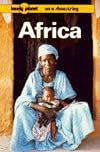
Each country only gets a brief chapter, but what do you expect from a continent as large and diverse as Africa? Very usefull, even if outdated.
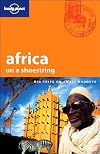
Lonely Planet Africa on a Shoestring by Kevin Anglin and others is a survey of African countries for tourists wishing to travel to this continent. The book covers North Africa e.g. Algeria, Egypt, Libya, and Morocco; West Africa e.g. Ghana, Liberia, Nigeria, and Sierra Leone; Central Africa e.g. Central African Republic, Congo, Equatorial Guinea, and Gabon; and East Africa e.g. Ethiopia, Kenya, Tanzania, Uganda and many more countries. This travel guide informs the visitor when to go, about show more tailored trips, costs, and conduct while on such a trip. What follows are guidelines visitors should bear in mind while in these countries:
• Do your research and learn about your African country’s native background - their husbands, wives, friends, and neighbors. Find out about their origins, customs, and languages.
• Be sure to visit the places of interest. Interact with Africans at festivals, bazaars, fairs, and in community groups.
• Engage Africans in conversation - remembering that communication is essential, by being sensitive to their verbal and nonverbal language.
• It’s necessary to treat Africans and their culture with respect, and try not to denigrate them. You’ve to learn more about their country.
• By exploring the nature of the African country’s educational system, meet with support groups, pay attention to similarities, and differences to that of your country.
• Be sensitive to African religious differences. Try to be open-minded about their faith traditions, e.g., Indigenous, Christianity, Islam, Buddhism, etc.
• Avoid condescending and derogatory remarks. Focus on your visit by emphasizing what’s important. Take the high road.
• Be accepting of the ways African natives view themselves, and don’t make judgments based on your own background.
• Respect an African culture’s festivities, ceremonies, and rights of passages by accepting its strengths, but not being hung up on weaknesses.
• Be cognizant of African foods and dress. Try understanding how they are part of the mainstream of their culture.
• With the images of natives portrayed in the foreign media, endeavor to know more about the geography of their country, or region. Separate sensationalism from reality.
• As opportunities arise while traveling learn firsthand what other African societies are like. It’s best to learn about their culture in its own environment. show less
• Do your research and learn about your African country’s native background - their husbands, wives, friends, and neighbors. Find out about their origins, customs, and languages.
• Be sure to visit the places of interest. Interact with Africans at festivals, bazaars, fairs, and in community groups.
• Engage Africans in conversation - remembering that communication is essential, by being sensitive to their verbal and nonverbal language.
• It’s necessary to treat Africans and their culture with respect, and try not to denigrate them. You’ve to learn more about their country.
• By exploring the nature of the African country’s educational system, meet with support groups, pay attention to similarities, and differences to that of your country.
• Be sensitive to African religious differences. Try to be open-minded about their faith traditions, e.g., Indigenous, Christianity, Islam, Buddhism, etc.
• Avoid condescending and derogatory remarks. Focus on your visit by emphasizing what’s important. Take the high road.
• Be accepting of the ways African natives view themselves, and don’t make judgments based on your own background.
• Respect an African culture’s festivities, ceremonies, and rights of passages by accepting its strengths, but not being hung up on weaknesses.
• Be cognizant of African foods and dress. Try understanding how they are part of the mainstream of their culture.
• With the images of natives portrayed in the foreign media, endeavor to know more about the geography of their country, or region. Separate sensationalism from reality.
• As opportunities arise while traveling learn firsthand what other African societies are like. It’s best to learn about their culture in its own environment. show less

You May Also Like


Associated Authors
Statistics
- Works
- 13
- Also by
- 2
- Members
- 324
- Popularity
- #73,084
- Rating
- 3.6
- Reviews
- 3
- ISBNs
- 25
- Languages
- 3