
Imran Mahmood
Author of You Don't Know Me
Works by Imran Mahmood
Associated Works
Tagged
Common Knowledge
- Birthdate
- 1964
- Gender
- male
- Occupations
- barrister
- Nationality
- UK
- Birthplace
- Liverpool, England, UK
- Associated Place (for map)
- England, UK
Members
Reviews
I Know What I Saw: The gripping new thriller from the author of BBC1's YOU DON'T KNOW ME by Imran Mahmood
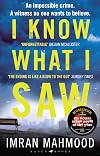
Overall pretty satisfying, some good characterisation and plotting, fractured memory stuff genuinely original, sticks the landing excellently.
OTOH, "past trauma" stuff is laid on with a trowel, a lot of the plot points are practically telegraphed 20 pages prior, and the writing can be hit and miss when it tries for style by simile.
OTOH, "past trauma" stuff is laid on with a trowel, a lot of the plot points are practically telegraphed 20 pages prior, and the writing can be hit and miss when it tries for style by simile.
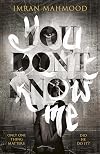
You Don't Know Me is a tightly written, exquisitely presented courtroom drama that is not done justice by that phrase. You the reader are a member of the jury, hearing a young man stand in desperation to relate a story that he was never supposed to tell and which, because of the timing in the closing arguments, you can neither confirm nor reject through cross examination. Yet you must return a verdict. Before you is the transcript of his remarks, and the questions of its truth, the nature of show more justice, and your own fitness to serve as the accused's peer.
This is a tremendously compelling read, one that covers much more ground than you realize as the pages blur through your fingers (I don't jest. This is a real page-turner). The nuances may be slightly different for a native British reader, but as an American I found that this spoke clearly to the entrenched disparities in safety, education, and social and criminal justice that are currently flaring in my own home. The narrator remains unnamed throughout: "For the Defendant: In Person," which lends a double meaning to the book's title. Not only do we not understand his motivations, but through his frank handling of his extraordinary story part of him in its namelessness can be taken and applied to each young kid from the rough side of town who, in trying to do right, can only ever be seen to do wrong in the eyes of the law and a jury that is not of his peers.
You Don't Know Me is an important read and, what's more, an easily accessible one. The narrator doesn't go off on tangents or preach. He just lays down the facts in his own voice, letting the story and its implications raise the questions in your own mind. The story will pick you up and whirl you along, so you may forget that you are reading it as a juror. When you sit down to finish this, plan on saving a quarter of an hour or so afterward to really sit down and think about it. It'll be worthwhile.
I can't recommend this book highly enough. Go on, get to it. show less
This is a tremendously compelling read, one that covers much more ground than you realize as the pages blur through your fingers (I don't jest. This is a real page-turner). The nuances may be slightly different for a native British reader, but as an American I found that this spoke clearly to the entrenched disparities in safety, education, and social and criminal justice that are currently flaring in my own home. The narrator remains unnamed throughout: "For the Defendant: In Person," which lends a double meaning to the book's title. Not only do we not understand his motivations, but through his frank handling of his extraordinary story part of him in its namelessness can be taken and applied to each young kid from the rough side of town who, in trying to do right, can only ever be seen to do wrong in the eyes of the law and a jury that is not of his peers.
You Don't Know Me is an important read and, what's more, an easily accessible one. The narrator doesn't go off on tangents or preach. He just lays down the facts in his own voice, letting the story and its implications raise the questions in your own mind. The story will pick you up and whirl you along, so you may forget that you are reading it as a juror. When you sit down to finish this, plan on saving a quarter of an hour or so afterward to really sit down and think about it. It'll be worthwhile.
I can't recommend this book highly enough. Go on, get to it. show less
First published at Booking in Heels.
So. The narrator has gone through his whole criminal trial – witnesses, documentary evidence, submissions, etc. But, right before it’s time for closing speeches, he sacks his barrister and decides to sum up the matter himself for the jury. He was going to lose anyway, might as well tell the truth, right? Because as far as he can tell us, he didn’t do it, although it’s hardly that straightforward…
I love the style of this. The entire novel is the show more narrator’s closing speech, all 400 pages of it. I was worried this would get annoying after a while, but it actually strikes the perfect balance of an interesting format that doesn’t get too gimmicky. For the most part, it reads as a chatty, informal novel that it occasionally interspersed with asides about the Judge rolling his eyes or backtracking because he can see that the Jury don’t understand a piece of slang he just used. It’s a really clever way of writing a novel that doesn’t impede the storytelling in the slightest.
There is A Point to You Don’t Know Me, but it’s a valid one and it isn’t written with a sledgehammer. I don’t think the exact gender, ethnicity and class ratios of the Jury are completely revealed, but it’s clear that the Defendant does not believe that he is indeed being tried by his peers. One of the pieces of the Prosecution’s evidence is that he was overheard muttering a supposedly incriminating phrase… or so it would seem to those of us who didn’t grow-up in urban London. He’s able to explain what those words mean to him and his actual peers, drawing the whole concept of the Jury system into question.
My only complaint about this book would be that certain aspects of the ‘true’ version of events seem somewhat fanciful. If I were a Juror listening to this explanation, I can’t help but think I’d be raising an eyebrow once or twice. Maybe that’s the point though – it wouldn’t be such a thought-provoking book if the Jury’s eventual verdict was obvious. Perhaps it’s meant to be teetering on the fence of aquittal.
The novel ends immediately after the end of the speeches. We don’t return to hear the Jury’s final verdict, so we’ll never know if he was sent down or not. I debated whether this was a spoiler or not and, whilst it probably is, it would have hugely irriated me had I not known that going it, to the extent where it actually would probably have ruined the book. This way, I got to enjoy the journey and not suffer a huge let-down at the end. I do think Mr Mahmood made the right decision there though – the unknowing only adds to this books’ genius.
Whilst You Don’t Know Me is written by a criminal defence barrister (although he writes so well that he clearly missed his calling as an author), it never gets bogged down in legal terminology or archaic case law. The narrator has no knowledge of the law or the Courts either – only what his barrister managed to impart before flouncing out the door (trust me, barristers flounce). It’s an ingenious way of constructing a story, actually – a legal drama that requires absolutely zero knowledge of the law.
I’ll definitely be buying anything else that Mr Mahmood writes. He probably won’t use the same format again, but I’d be ecstatic if he did as it just works so well. I’d really recommend this book to everybody, regardless of your interest in law or crime. It’s very human – revealing our inherent prejudices and questioning whether we are ever really tried by our ‘peers.’ show less
So. The narrator has gone through his whole criminal trial – witnesses, documentary evidence, submissions, etc. But, right before it’s time for closing speeches, he sacks his barrister and decides to sum up the matter himself for the jury. He was going to lose anyway, might as well tell the truth, right? Because as far as he can tell us, he didn’t do it, although it’s hardly that straightforward…
I love the style of this. The entire novel is the show more narrator’s closing speech, all 400 pages of it. I was worried this would get annoying after a while, but it actually strikes the perfect balance of an interesting format that doesn’t get too gimmicky. For the most part, it reads as a chatty, informal novel that it occasionally interspersed with asides about the Judge rolling his eyes or backtracking because he can see that the Jury don’t understand a piece of slang he just used. It’s a really clever way of writing a novel that doesn’t impede the storytelling in the slightest.
There is A Point to You Don’t Know Me, but it’s a valid one and it isn’t written with a sledgehammer. I don’t think the exact gender, ethnicity and class ratios of the Jury are completely revealed, but it’s clear that the Defendant does not believe that he is indeed being tried by his peers. One of the pieces of the Prosecution’s evidence is that he was overheard muttering a supposedly incriminating phrase… or so it would seem to those of us who didn’t grow-up in urban London. He’s able to explain what those words mean to him and his actual peers, drawing the whole concept of the Jury system into question.
My only complaint about this book would be that certain aspects of the ‘true’ version of events seem somewhat fanciful. If I were a Juror listening to this explanation, I can’t help but think I’d be raising an eyebrow once or twice. Maybe that’s the point though – it wouldn’t be such a thought-provoking book if the Jury’s eventual verdict was obvious. Perhaps it’s meant to be teetering on the fence of aquittal.
The novel ends immediately after the end of the speeches. We don’t return to hear the Jury’s final verdict, so we’ll never know if he was sent down or not. I debated whether this was a spoiler or not and, whilst it probably is, it would have hugely irriated me had I not known that going it, to the extent where it actually would probably have ruined the book. This way, I got to enjoy the journey and not suffer a huge let-down at the end. I do think Mr Mahmood made the right decision there though – the unknowing only adds to this books’ genius.
Whilst You Don’t Know Me is written by a criminal defence barrister (although he writes so well that he clearly missed his calling as an author), it never gets bogged down in legal terminology or archaic case law. The narrator has no knowledge of the law or the Courts either – only what his barrister managed to impart before flouncing out the door (trust me, barristers flounce). It’s an ingenious way of constructing a story, actually – a legal drama that requires absolutely zero knowledge of the law.
I’ll definitely be buying anything else that Mr Mahmood writes. He probably won’t use the same format again, but I’d be ecstatic if he did as it just works so well. I’d really recommend this book to everybody, regardless of your interest in law or crime. It’s very human – revealing our inherent prejudices and questioning whether we are ever really tried by our ‘peers.’ show less
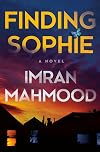
Heart-wrenching combined with thrills-a-minute. Harry and Zara’s daughter Sophie has disappeared and they have no idea what to make of it, much less what to do about it. They are frantic, devastated, obsessed. And they’ve grown so far apart they can’t even share their grief. They are relentless in their questions and their searching – and maybe just a little afraid of finding a truth they never imagined.
The story is told alternately by Harry and Zara, which emphasizes through their show more differing perspectives just how disconnected and dysfunctional this family has become. The dual timeline between the weeks after Sophie’s disappearance and a year later in the middle of a murder trial provides hindsight, what-if’s and if-only’s. Thought-provoking and exciting.
Thanks to Random House Publishing Group for providing an advance copy of Finding Sophie via NetGalley. I voluntarily leave this review; all opinions are my own. show less
The story is told alternately by Harry and Zara, which emphasizes through their show more differing perspectives just how disconnected and dysfunctional this family has become. The dual timeline between the weeks after Sophie’s disappearance and a year later in the middle of a murder trial provides hindsight, what-if’s and if-only’s. Thought-provoking and exciting.
Thanks to Random House Publishing Group for providing an advance copy of Finding Sophie via NetGalley. I voluntarily leave this review; all opinions are my own. show less
Lists
Awards


You May Also Like
Associated Authors
Statistics
- Works
- 7
- Also by
- 1
- Members
- 218
- Popularity
- #102,473
- Rating
- 3.7
- Reviews
- 17
- ISBNs
- 31
- Languages
- 3