
Sue Henry (1) (1940–)
Author of Murder on the Iditarod Trail
For other authors named Sue Henry, see the disambiguation page.
About the Author
Sue Henry is a former college administrator. She writes the Jessie Arnold Mystery series and the Maxie and Stretch Mystery series. Murder on the Iditarod Trail won the Mystery Readers International Macavity Award for Best First Novel in 1992 and the Anthony Award. It was made into a TV movie show more starring Kate Jackson and Corbin Bernsen three years later. (Bowker Author Biography) show less
Image credit: Sue Henry
Series
Works by Sue Henry
Associated Works
Malice Domestic 05: An Anthology of Original Traditional Mystery Stories (1996) — Contributor — 86 copies, 2 reviews
Tagged
Common Knowledge
Members
Reviews
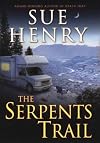
I was in the mood for a soft-edged, intriguing mystery filled with excellent characters, and that's exactly what I found in The Serpents Trail. Already familiar with Sue Henry's Jessie Arnold mysteries set in Alaska, I wanted to see what a wandering sixtysomething widow with a small dog and an RV could do.
Maxie McNabb is in the minority in the crime fiction community of characters. She's in her sixties. She's widowed after two happy and fulfilling marriages and has no inclination to go that show more route again. Her friends and her dog Stretch supply all the companionship she needs. She's also got itchy feet and loves to travel all over the continent in her Winnebago. I rapidly fell in love with her independent spirit and level-headedness. Another aspect of her character that I deeply appreciated was that she possesses no desire to be either a victim or a hero. She's smart; she knows her capabilities; and she gets help when she needs it. We need more characters like Maxie McNabb in crime fiction.
In many ways, the mystery is a treat, with Sarah's habit of creating secret hiding places all over her house and having a will that creates altogether too much interest amongst those who may inherit. People aren't always who they seem either, and that will and those suspicious characters are the deciding factors in Maxie's little trip to Salt Lake City to do a little sleuthing in Sarah's family tree. The only jarring note in the entire book was the fact that the ending wasn't quite convincing-- but that doesn't bother me much. I've already ordered other books in this Maxie and Stretch series! show less
Maxie McNabb is in the minority in the crime fiction community of characters. She's in her sixties. She's widowed after two happy and fulfilling marriages and has no inclination to go that show more route again. Her friends and her dog Stretch supply all the companionship she needs. She's also got itchy feet and loves to travel all over the continent in her Winnebago. I rapidly fell in love with her independent spirit and level-headedness. Another aspect of her character that I deeply appreciated was that she possesses no desire to be either a victim or a hero. She's smart; she knows her capabilities; and she gets help when she needs it. We need more characters like Maxie McNabb in crime fiction.
In many ways, the mystery is a treat, with Sarah's habit of creating secret hiding places all over her house and having a will that creates altogether too much interest amongst those who may inherit. People aren't always who they seem either, and that will and those suspicious characters are the deciding factors in Maxie's little trip to Salt Lake City to do a little sleuthing in Sarah's family tree. The only jarring note in the entire book was the fact that the ending wasn't quite convincing-- but that doesn't bother me much. I've already ordered other books in this Maxie and Stretch series! show less
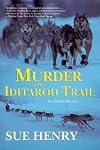
I don't remember how I learned about this title but I purchased it as a Christmas gift for my mother as I was in awe of her description of being taken for a short sled ride when she was the only volunteer to get on the sled as part of an excursion tour during an Alaska cruise. I was surprised to see this title again recently when one of the characters in another novel was said to be reading this book. In the past few days it has been my turn to read it. I don't think I've imagined being that show more cold since reading "61 Hours" (Jack Reacher, Book 14) by Lee Child as that novel's setting is during a brutally cold winter in South Dakota.
Although I had certainly been aware of the Iditarod Trail Race prior to my mother's trip, I don't think I had thought about the severity of the unforgiving cold temperatures. Sue Henry brings to life with vivid descriptions the trail terrain, the brutally cold temperatures, the dedication of the mushers not only to the sport of the race but to their prior strategy planning with flexibility during the race, and to the training and ongoing care of their dog teams with special attention given during the race itself. Within this extraordinary annual race setting, the author has created an engrossing, page-turning mystery with the murders of Iditarod participants along the various legs of the grueling race.
In searching for biographical information about the author after reading this novel, it came as no surprise to learn that Sue Henry lived in Alaska for over 30 years. With her words as her artistic brush, she paints the majesty and beauty of the landscape and portrays respect for the land and its perils as only someone could portray with a personal experience of living in this state through many seasons. Another gift of this reading experience is the interspersed history of the trail points and race itself that flows naturally within the storyline without sounding like bullet points from a fact sheet. I have never had the desire to travel and visit Alaska, not even after reading this novel. Still, it has given me a new appreciation for everyone who lives in Alaska and to hold in awe all that choose to participate in the Iditarod Trail Race.
https://poisonedpen.com/2020/11/30/sue-henry-r-i-p/?fbclid=IwAR0gAXRGqX0t5VckU_D... show less
Although I had certainly been aware of the Iditarod Trail Race prior to my mother's trip, I don't think I had thought about the severity of the unforgiving cold temperatures. Sue Henry brings to life with vivid descriptions the trail terrain, the brutally cold temperatures, the dedication of the mushers not only to the sport of the race but to their prior strategy planning with flexibility during the race, and to the training and ongoing care of their dog teams with special attention given during the race itself. Within this extraordinary annual race setting, the author has created an engrossing, page-turning mystery with the murders of Iditarod participants along the various legs of the grueling race.
In searching for biographical information about the author after reading this novel, it came as no surprise to learn that Sue Henry lived in Alaska for over 30 years. With her words as her artistic brush, she paints the majesty and beauty of the landscape and portrays respect for the land and its perils as only someone could portray with a personal experience of living in this state through many seasons. Another gift of this reading experience is the interspersed history of the trail points and race itself that flows naturally within the storyline without sounding like bullet points from a fact sheet. I have never had the desire to travel and visit Alaska, not even after reading this novel. Still, it has given me a new appreciation for everyone who lives in Alaska and to hold in awe all that choose to participate in the Iditarod Trail Race.
https://poisonedpen.com/2020/11/30/sue-henry-r-i-p/?fbclid=IwAR0gAXRGqX0t5VckU_D... show less
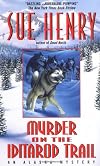
Fun murder mystery during the middle of an Iditarod race with a little romance thrown in. The murders pop up in sudden and brutal ways causing the 'da da dummmmm' tones to go off in my head. (Do other people hear that too when someone dies in a book?)
I liked the book well enough to give it 5 stars but the author crosses the line that all dog lovers detest. It is perfectly fine to kill as many people as you want between the covers of a book, but if you hurt or kill a dog, even we just don't show more like it. Yah, brutal deaths of people or dogs can have a big emotional impact, but still no.
I did find some good quotes to share. Here is some of the more interesting brutal details:
'His headlamp shattered as it hit. So did his nose and cheek. A wicked, foot-long limb projected from the side of the trunk. Cold and sharp, it entered his closed right eye and pushed through his brain until it hit the back of his skull. There it stopped. His body hung against the trunk of the spruce until his weight broke the limb and he fell slowly onto the trail.'
'The sled was flung out and over the edge of the cliff by the violence of the parting. had only a breath to realize she was airborne as the sled left the trail and fell, tumbling down the side of the hill, toward the icy river six hundred feet below.'
Then mysteries always have their common little sayings:
“I think you better take this,” she said, her eyes wide. “There's been another accident. In Happy Valley.”
“Murder is what’s going on. I can’t say it plainer. Someone is killing mushers. We don’t know why, or who. But we will. I just don’t want any more of you to die. If we stop the race now, the deaths will probably stop too. You had all better think about that carefully.”
I liked this next little expression that you need to get a clue on who and what is going on to build a murder case. Don't know if it is new from this book or what:
'“Whoa. You can’t build a fence without posts,” Alex cautioned him.'
the book is filled with great authentic details on Alaska and the race. I liked this bit on the operators of the snow machines who clear the paths for the race:
'The snow machine drivers, dressed in layers of outer. wear to repel the worst the Arctic can deliver, may cover the full thousand miles without a good night’s sleep and with few hot meals. A bed becomes something they dreamed of once; a hot shower, only a memory. They develop shoulders the envy of linebackers. But when they try to explain the pale, empty nights on the ice of Norton Sound, or the northern lights so bright they reflect off the snow in the Farewell Burn, wistful looks come over their wind and sunburned faces and they drift into silence or stammering attempts at description. Many come back year after year, addicted to the trail.'
And my last and favorite quote which I am sure contains the way I am sure racers feel about the race:
'“I told you this is my fifth Iditarod. I don’t think you understand what that means. It means I’ve been breeding dogs, raising them, working with them all these years to prepare for this race. Every race is this race. As soon as | got home from my first race I started putting together the best team I could train. Every year I do that.
“I’ve bought dogs, traded them, tried them out, found out what kind of pups turn into good racers, sold and gotten rid of as many as I kept. With a lot of hard work, I’ve built a racing machine. I know which dogs will go in any kind of cold, which run best in the wind, and which can take the weather without dehydrating. We understand each other. Tank knows, almost before I do, what I want and what to do about it. He’s a great leader. And the rest know me, trust me and what I ask them to do. They love it, the running, as much as I| do. I Jove it, Alex, or I wouldn’t do it.'
Ratings are often hard. I could have given this book 5 stars but chose to give it one less as a warning to others that dogs die. But besides that, great book :-) show less
I liked the book well enough to give it 5 stars but the author crosses the line that all dog lovers detest. It is perfectly fine to kill as many people as you want between the covers of a book, but if you hurt or kill a dog, even we just don't show more like it. Yah, brutal deaths of people or dogs can have a big emotional impact, but still no.
I did find some good quotes to share. Here is some of the more interesting brutal details:
'His headlamp shattered as it hit. So did his nose and cheek. A wicked, foot-long limb projected from the side of the trunk. Cold and sharp, it entered his closed right eye and pushed through his brain until it hit the back of his skull. There it stopped. His body hung against the trunk of the spruce until his weight broke the limb and he fell slowly onto the trail.'
'The sled was flung out and over the edge of the cliff by the violence of the parting. had only a breath to realize she was airborne as the sled left the trail and fell, tumbling down the side of the hill, toward the icy river six hundred feet below.'
Then mysteries always have their common little sayings:
“I think you better take this,” she said, her eyes wide. “There's been another accident. In Happy Valley.”
“Murder is what’s going on. I can’t say it plainer. Someone is killing mushers. We don’t know why, or who. But we will. I just don’t want any more of you to die. If we stop the race now, the deaths will probably stop too. You had all better think about that carefully.”
I liked this next little expression that you need to get a clue on who and what is going on to build a murder case. Don't know if it is new from this book or what:
'“Whoa. You can’t build a fence without posts,” Alex cautioned him.'
the book is filled with great authentic details on Alaska and the race. I liked this bit on the operators of the snow machines who clear the paths for the race:
'The snow machine drivers, dressed in layers of outer. wear to repel the worst the Arctic can deliver, may cover the full thousand miles without a good night’s sleep and with few hot meals. A bed becomes something they dreamed of once; a hot shower, only a memory. They develop shoulders the envy of linebackers. But when they try to explain the pale, empty nights on the ice of Norton Sound, or the northern lights so bright they reflect off the snow in the Farewell Burn, wistful looks come over their wind and sunburned faces and they drift into silence or stammering attempts at description. Many come back year after year, addicted to the trail.'
And my last and favorite quote which I am sure contains the way I am sure racers feel about the race:
'“I told you this is my fifth Iditarod. I don’t think you understand what that means. It means I’ve been breeding dogs, raising them, working with them all these years to prepare for this race. Every race is this race. As soon as | got home from my first race I started putting together the best team I could train. Every year I do that.
“I’ve bought dogs, traded them, tried them out, found out what kind of pups turn into good racers, sold and gotten rid of as many as I kept. With a lot of hard work, I’ve built a racing machine. I know which dogs will go in any kind of cold, which run best in the wind, and which can take the weather without dehydrating. We understand each other. Tank knows, almost before I do, what I want and what to do about it. He’s a great leader. And the rest know me, trust me and what I ask them to do. They love it, the running, as much as I| do. I Jove it, Alex, or I wouldn’t do it.'
Ratings are often hard. I could have given this book 5 stars but chose to give it one less as a warning to others that dogs die. But besides that, great book :-) show less
Fun murder mystery during the middle of an Iditarod race with a little romance thrown in. The murders pop up in sudden and brutal ways causing the 'da da dummmmm' tones to go off in my head. (Do other people hear that too when someone dies in a book?)
I liked the book well enough to give it 5 stars but the author crosses the line that all dog lovers detest. It is perfectly fine to kill as many people as you want between the covers of a book, but if you hurt or kill a dog, even we just don't show more like it. Yah, brutal deaths of people or dogs can have a big emotional impact, but still no.
I did find some good quotes to share. Here is some of the more interesting brutal details:
'His headlamp shattered as it hit. So did his nose and cheek. A wicked, foot-long limb projected from the side of the trunk. Cold and sharp, it entered his closed right eye and pushed through his brain until it hit the back of his skull. There it stopped. His body hung against the trunk of the spruce until his weight broke the limb and he fell slowly onto the trail.'
'The sled was flung out and over the edge of the cliff by the violence of the parting. had only a breath to realize she was airborne as the sled left the trail and fell, tumbling down the side of the hill, toward the icy river six hundred feet below.'
Then mysteries always have their common little sayings:
“I think you better take this,” she said, her eyes wide. “There's been another accident. In Happy Valley.”
“Murder is what’s going on. I can’t say it plainer. Someone is killing mushers. We don’t know why, or who. But we will. I just don’t want any more of you to die. If we stop the race now, the deaths will probably stop too. You had all better think about that carefully.”
I liked this next little expression that you need to get a clue on who and what is going on to build a murder case. Don't know if it is new from this book or what:
'“Whoa. You can’t build a fence without posts,” Alex cautioned him.'
the book is filled with great authentic details on Alaska and the race. I liked this bit on the operators of the snow machines who clear the paths for the race:
'The snow machine drivers, dressed in layers of outer. wear to repel the worst the Arctic can deliver, may cover the full thousand miles without a good night’s sleep and with few hot meals. A bed becomes something they dreamed of once; a hot shower, only a memory. They develop shoulders the envy of linebackers. But when they try to explain the pale, empty nights on the ice of Norton Sound, or the northern lights so bright they reflect off the snow in the Farewell Burn, wistful looks come over their wind and sunburned faces and they drift into silence or stammering attempts at description. Many come back year after year, addicted to the trail.'
And my last and favorite quote which I am sure contains the way I am sure racers feel about the race:
'“I told you this is my fifth Iditarod. I don’t think you understand what that means. It means I’ve been breeding dogs, raising them, working with them all these years to prepare for this race. Every race is this race. As soon as | got home from my first race I started putting together the best team I could train. Every year I do that.
“I’ve bought dogs, traded them, tried them out, found out what kind of pups turn into good racers, sold and gotten rid of as many as I kept. With a lot of hard work, I’ve built a racing machine. I know which dogs will go in any kind of cold, which run best in the wind, and which can take the weather without dehydrating. We understand each other. Tank knows, almost before I do, what I want and what to do about it. He’s a great leader. And the rest know me, trust me and what I ask them to do. They love it, the running, as much as I| do. I Jove it, Alex, or I wouldn’t do it.'
Ratings are often hard. I could have given this book 5 stars but chose to give it one less as a warning to others that dogs die. But besides that, great book :-) show less
I liked the book well enough to give it 5 stars but the author crosses the line that all dog lovers detest. It is perfectly fine to kill as many people as you want between the covers of a book, but if you hurt or kill a dog, even we just don't show more like it. Yah, brutal deaths of people or dogs can have a big emotional impact, but still no.
I did find some good quotes to share. Here is some of the more interesting brutal details:
'His headlamp shattered as it hit. So did his nose and cheek. A wicked, foot-long limb projected from the side of the trunk. Cold and sharp, it entered his closed right eye and pushed through his brain until it hit the back of his skull. There it stopped. His body hung against the trunk of the spruce until his weight broke the limb and he fell slowly onto the trail.'
'The sled was flung out and over the edge of the cliff by the violence of the parting. had only a breath to realize she was airborne as the sled left the trail and fell, tumbling down the side of the hill, toward the icy river six hundred feet below.'
Then mysteries always have their common little sayings:
“I think you better take this,” she said, her eyes wide. “There's been another accident. In Happy Valley.”
“Murder is what’s going on. I can’t say it plainer. Someone is killing mushers. We don’t know why, or who. But we will. I just don’t want any more of you to die. If we stop the race now, the deaths will probably stop too. You had all better think about that carefully.”
I liked this next little expression that you need to get a clue on who and what is going on to build a murder case. Don't know if it is new from this book or what:
'“Whoa. You can’t build a fence without posts,” Alex cautioned him.'
the book is filled with great authentic details on Alaska and the race. I liked this bit on the operators of the snow machines who clear the paths for the race:
'The snow machine drivers, dressed in layers of outer. wear to repel the worst the Arctic can deliver, may cover the full thousand miles without a good night’s sleep and with few hot meals. A bed becomes something they dreamed of once; a hot shower, only a memory. They develop shoulders the envy of linebackers. But when they try to explain the pale, empty nights on the ice of Norton Sound, or the northern lights so bright they reflect off the snow in the Farewell Burn, wistful looks come over their wind and sunburned faces and they drift into silence or stammering attempts at description. Many come back year after year, addicted to the trail.'
And my last and favorite quote which I am sure contains the way I am sure racers feel about the race:
'“I told you this is my fifth Iditarod. I don’t think you understand what that means. It means I’ve been breeding dogs, raising them, working with them all these years to prepare for this race. Every race is this race. As soon as | got home from my first race I started putting together the best team I could train. Every year I do that.
“I’ve bought dogs, traded them, tried them out, found out what kind of pups turn into good racers, sold and gotten rid of as many as I kept. With a lot of hard work, I’ve built a racing machine. I know which dogs will go in any kind of cold, which run best in the wind, and which can take the weather without dehydrating. We understand each other. Tank knows, almost before I do, what I want and what to do about it. He’s a great leader. And the rest know me, trust me and what I ask them to do. They love it, the running, as much as I| do. I Jove it, Alex, or I wouldn’t do it.'
Ratings are often hard. I could have given this book 5 stars but chose to give it one less as a warning to others that dogs die. But besides that, great book :-) show less
Lists
Awards


You May Also Like


Associated Authors
Statistics
- Works
- 17
- Also by
- 2
- Members
- 3,566
- Popularity
- #7,111
- Rating
- 3.5
- Reviews
- 84
- ISBNs
- 165
- Languages
- 1