
David Samuel (2) (1922–2014)
Author of Memory: How We Can Use it, Lose it and Can Improve it
For other authors named David Samuel, see the disambiguation page.
About the Author
David Samuel is Emeritus Professor of Physical Chemistry in the Department of Neurobiology at the Weizmann Institute of Science in Rehovot, Israel. He was the Founder and Director of the Centre for the Chemistry of the Brain and Behaviour, and a member of the International Brain Research show more Organization (IBRO) and many other academic organizations. He has been a visiting professor at universities in the United Kingdom, Canada and the United States, including University of California at Berkeley, Harvard and Yale. show less
Works by David Samuel
Tagged
Common Knowledge
- Other names
- 3rd Viscount Samuel
- Birthdate
- 1922
- Date of death
- 2014
- Relationships
- Samuel, Edwin Herbert (father)
Samuel, Herbert Louis (grandfather)
Members
Reviews
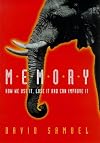
Few things are as essential to our lives-and as apparently unfathomable-as our memories. As Jane Austen's heroine Fanny Price remarks in Mansfield Park, "if any one faculty of our nature may be called more wonderful than the rest, I do think it is memory . . . sometimes so retentive and so serviceable, so obedient-and at others so bewildered and so weak."
In Memory, David Samuel draws on a lifetime of scientific research to produce an informative and wide-ranging view of the subject. He show more examines how memory has been investigated in the past and what modern studies of brain structure and function can tell us about it. He then goes on to discuss long-term, short-term, and working memory, the limits to and normal loss of memory, the effects of alcohol, drugs and anxiety, Alzheimer's, and both deliberate and unintentional fraud in "tricks of memory."
While exploring the future of memory research, he also addresses the age-old questions of how to improve our memory and why certain people, such as diplomats, actors and doormen, have such good memories. show less
In Memory, David Samuel draws on a lifetime of scientific research to produce an informative and wide-ranging view of the subject. He show more examines how memory has been investigated in the past and what modern studies of brain structure and function can tell us about it. He then goes on to discuss long-term, short-term, and working memory, the limits to and normal loss of memory, the effects of alcohol, drugs and anxiety, Alzheimer's, and both deliberate and unintentional fraud in "tricks of memory."
While exploring the future of memory research, he also addresses the age-old questions of how to improve our memory and why certain people, such as diplomats, actors and doormen, have such good memories. show less
Sep 8, 2020Spanish
Statistics
- Works
- 2
- Members
- 16
- Popularity
- #679,946
- Rating
- 4.0
- Reviews
- 1
- ISBNs
- 25
- Languages
- 1