
Karma Lingpa (1326–1386)
Author of The Tibetan Book of the Dead: First Complete Translation (Penguin Classics Deluxe Edition)
About the Author
Works by Karma Lingpa
The Tibetan Book of the Dead: First Complete Translation (Penguin Classics Deluxe Edition) (2005) 1,412 copies, 5 reviews
The Tibetan Book of the Dead: The Great Liberation Through Hearing In The Bardo (1975) 1,015 copies, 12 reviews
Associated Works
The Graphic Canon, Vol. 1: From the Epic of Gilgamesh to Shakespeare to Dangerous Liaisons (2012) — Contributor — 304 copies, 7 reviews
Tagged
Common Knowledge
- Canonical name
- Karma Lingpa
- Legal name
- ཀརྨ་གླིང་པ་
Kar Ma Gling Pa - Other names
- Karma-glin-pa
- Birthdate
- 1326
- Date of death
- 1386
- Gender
- male
- Nationality
- Tibet
- Birthplace
- southeastern Tibet, Tibet
- Places of residence
- Tibet
- Associated Place (for map)
- southeastern Tibet, Tibet
Members
Reviews
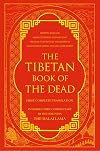
The book is certainly interesting. Coming from a culture that spawned Buddhism, some or most of what was revealed in the book wasn't new, strange or weird to me. However, as I read this book, I couldn't help feeling how people can everything, including death, so ritualistic.
I believe that a soul is given a second chance at redemption after death, though I don't think the process is as elaborate as narrated in this book. But then, there is no way to prove or disprove anything with regards to show more death, until one really gets there, isn't it? show less
I believe that a soul is given a second chance at redemption after death, though I don't think the process is as elaborate as narrated in this book. But then, there is no way to prove or disprove anything with regards to show more death, until one really gets there, isn't it? show less
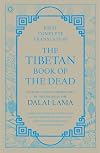
The Penguin Classics 2005 hardbound edition is the first complete translation of the whole cycle, rather than just the section that has been translated many times before (chapter 11 in this edition). It also includes introductions, notes and general interpretation aid from actual holders of the lineage/transmission, which probably makes it more accurate than many alternatives (given how heavily Vajrayana Buddhism relies on oral transmission).
What I appreciated most was the translation itself show more (by Gyume Dorje), done in prose (while preserving line breaks) and aiming to clarity and precision rather than "beauty". Given that beauty is a subjective concept, I tend to find 19th century translation of Buddhist texts rather unreadable: this edition is as readable as the subject allows.
I heartily recommend this edition to anybody who wants to read the "Tibetan book of the dead".
As for the content itself, I don't feel it can be rated. It is a classic from an ancient spiritual tradition, and as such its value depends on one's spiritual path and practice. For myself, having read it, I cannot help seeing it as magic rather than spirituality (despite being myself a buddhist and influenced by Tibetan buddhism among other schools). It is fascinating as an anthropological and cultural document, but I haven't found it useful as a spiritual tool. In this I obviously differ from countless generations of Tibetan buddhists: my judgment is not to be taken as condemnation, but as a personal view based on my own inclination and experience. show less
What I appreciated most was the translation itself show more (by Gyume Dorje), done in prose (while preserving line breaks) and aiming to clarity and precision rather than "beauty". Given that beauty is a subjective concept, I tend to find 19th century translation of Buddhist texts rather unreadable: this edition is as readable as the subject allows.
I heartily recommend this edition to anybody who wants to read the "Tibetan book of the dead".
As for the content itself, I don't feel it can be rated. It is a classic from an ancient spiritual tradition, and as such its value depends on one's spiritual path and practice. For myself, having read it, I cannot help seeing it as magic rather than spirituality (despite being myself a buddhist and influenced by Tibetan buddhism among other schools). It is fascinating as an anthropological and cultural document, but I haven't found it useful as a spiritual tool. In this I obviously differ from countless generations of Tibetan buddhists: my judgment is not to be taken as condemnation, but as a personal view based on my own inclination and experience. show less
The Tibetan Book of the Dead: First Complete Translation (Penguin Classics Deluxe Edition) by Padmasambhava
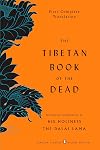
This read was primarily done for research purposes but the content was interesting enough to make it a pleasure. My favorite part was actually the preface to the version I read which was written by Carl Jung and gave a depth to things I would have missed otherwise. The content of the book itself was difficult to comprehend on its own, but there are a number of outside resources that helped with that, including trusty old Wikipedia. If you are a student of comparative religion, interested in show more the Bardo, or looking for some fresh ideas for the Sacred nature in your own writing, then please read this book. show less
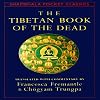
In this classic scripture of Tibetan Buddhism—traditionally read aloud to the dying to help them attain liberation—death and rebirth are seen as a process that provides an opportunity to recognize the true nature of mind. This translation of The Tibetan Book of the Dead emphasizes the practical advice that the book offers to the living. The insightful commentary by Chögyam Trungpa, written in clear, concise language, explains what the text teaches us about human psychology. This book show more will be of interest to people concerned with death and dying, as well as those who seek greater spiritual understanding in everyday life. show less
Lists
You May Also Like
Associated Authors
Statistics
- Works
- 8
- Also by
- 3
- Members
- 2,461
- Popularity
- #10,414
- Rating
- 3.9
- Reviews
- 17
- ISBNs
- 48
- Languages
- 9