
Ian Baxter (1)
Author of Eastern Front SS: The Secret Archives
For other authors named Ian Baxter, see the disambiguation page.
Ian Baxter (1) has been aliased into I.M. Baxter.
Works by Ian Baxter
Works have been aliased into I.M. Baxter.
OPERATION BAGRATION: The Destruction of Army Group Centre June-July 1944, A Photographic History (2008) 36 copies
BATTLE IN THE BALTICS 1944-45: The Fighting for Latvia, Lithuania and Estonia, a Photographic History (2009) 20 copies
Waffen SS on the Western Front: Rare Photographs from Wartime Archives (Images of War) (2013) 18 copies
SS Das Reich At War 1939–1945: A History of the Division on the Western and Eastern Fronts (Images of War) (2017) 15 copies, 1 review
Hitler’s Death Camps in Occupied Poland: Rare Photographs from Wartime Archives (Images of War) (2021) 14 copies, 1 review
ROAD TO DESTRUCTION: Operation Blue and the Battle of Stalingrad: a Photographic History (2008) 14 copies
Himmler's Death Squad: Einsatzgruppen in Action, 1939–1944 (Images of War) (2021) 14 copies, 3 reviews
The Waffen SS at Arnhem: Rare Photographs from Wartime Archives (Images of War) (2022) 12 copies, 1 review
5th SS Division Wiking at War 1941-1945: History of the Division: Rare Photographs from Wartime Archives (Images of War) (2018) 12 copies
FROM RETREAT TO DEFEAT: The Last Years of the German Army on the Eastern Front 1943-45, A Photographic History (2007) 12 copies
The Crushing of Army Group North 1944-1945 on the Eastern Front: Images of War Series (2017) 11 copies
SS Leibstandarte Adolf Hitler (LSSAH) at War 1939 - 1945: A History of the Division on the Western and Eastern Fronts (Images of War) (2017) 11 copies
The Warsaw Uprisings, 1943–1944: Rare Photographs from Wartime Archives (Images of War) (2021) 11 copies, 1 review
The Soviet Baltic Offensive, 1944–45: German Defense of Estonia, Latvia, and Lithuania (Casemate Illustrated) (2022) 10 copies
STEEL BULWARK: The Last Years of the German Panzerwaffe on the Eastern Front 1943-45, a photographic history (2009) 9 copies
The Ghettos of Nazi-Occupied Poland: Rare Photographs from Wartime Archives (Images of War) (2021) 9 copies, 2 reviews
7th SS Mountain Division Prinz Eugen At War 1941–1945: A History of the Division (Images of War) (2019) 9 copies
The Waffen SS Ardennes Offensive: Rare Photographs from Wartime Archives (Images of War) (2022) 9 copies, 1 review
The Nazis' Winter Warfare on the Eastern Front 1941–1945: Rare Photographs from Wartime Archives (Images of War) (2021) 8 copies
SS Foreign Divisions & Volunteers of Lithuania, Latvia and Estonia, 1941–1945: Rare Photographs from Wartime Archives (Images of War) (2021) 8 copies
Waffen-SS Armour on the Eastern Front 1941–1945: Rare Photographs from Wartime Archives (Images of War) (2021) 8 copies, 1 review
The Vistula-Oder Offensive: The Soviet Destruction of German Army Group A, 1945 (Casemate Illustrated) (2023) 7 copies
Waffen-SS in Normandy, 1944: Rare Photographs from Wartime Archives (Images of War) (2022) 6 copies, 1 review
Hitler's Panther Tank Battalions, 1943–1945: Rare Photographs from Wartimes Archives (Images of War) (2020) 6 copies
The Soviet Destruction of Army Group South: Ukraine and Southern Poland 1943–1945 (Casemate Illustrated) (2023) 6 copies
Hermann Göring: The Rise and Fall: Rare Photographs from Wartime Archives (Images of War) (2024) 5 copies
Nazi Concentration Camp Overseers: Sonderkommandos, Kapos & Trawniki (Images of War) (2021) 5 copies
Leibstandarte SS Adolf Hitler (LSSAH) at War, 1939–1945: A History of the Division on the Western and Eastern Fronts (Images of War) (2017) 5 copies
The German Siege of Leningrad, 1941–1944: Rare Photographs from Wartime Archives (Images of War) (2023) 4 copies
8th SS Cavalry Division Florian Geyer: Rare Photographs from Wartime Archives (Images of War) (2023) 4 copies
Himmler: Hitler's Henchman: Rare Photographs from Wartime Archives (Images of War) (2022) 4 copies, 1 review
Operation Höss: The Deportation of Hungarian Jews to Auschwitz, May–July 1944 (Images of War) (2022) 3 copies
Hitler's Death Trains: The Role of the Reichsbahn in the Final Solution: Rare Photographs from Wartime Archives (Images of War) (2023) 3 copies
Die Waffen-SS an der Westfront: Mit 250 zum größten Teil bisher noch nie veröffentlichten Fotos (2010) 3 copies
The Armour of Hitler's Allies in Action, 1943–1945: Rare Photographs from Wartime Archives (Images of War) (2022) 3 copies
Tagged
Common Knowledge
- Gender
- male
Members
Reviews
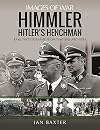
Himmler: Hitler's Henchman, by Ian Baxter, is a chilling look at the person who on the outside looks like a bland administrator yet was internally driven to orchestrate cruel and inhuman atrocities.
While the sections that place the photographs in context is interesting, this is first and foremost a collection of photographs. Looked at alongside a history offers the reader a number of startling perspectives. What I mean by that is that I think readers will largely take slightly different show more thoughts away from this book. For me, it just kept stopping me in my tracks to see such mundane looking men coordinating such an evil organization. I think other readers may well be struck by other aspects.
I want to have this book handy and reread a biography of Himmler, probably Longerich's biography. I think having these newly available photographs will add to what I read. It is so easy to picture evil as a bunch of monsters, but evil can look like the man walking down the street or losing a reelection bid.
Reviewed from a copy made available by the publisher via NetGalley. show less
While the sections that place the photographs in context is interesting, this is first and foremost a collection of photographs. Looked at alongside a history offers the reader a number of startling perspectives. What I mean by that is that I think readers will largely take slightly different show more thoughts away from this book. For me, it just kept stopping me in my tracks to see such mundane looking men coordinating such an evil organization. I think other readers may well be struck by other aspects.
I want to have this book handy and reread a biography of Himmler, probably Longerich's biography. I think having these newly available photographs will add to what I read. It is so easy to picture evil as a bunch of monsters, but evil can look like the man walking down the street or losing a reelection bid.
Reviewed from a copy made available by the publisher via NetGalley. show less
Hitler’s Death Camps in Occupied Poland: Rare Photographs from Wartime Archives (Images of War) by Ian Baxter
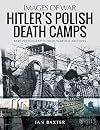
Hitler’s Death Camps in Occupied Poland – Disturbing
Ian Baxter has compiled a book of rare photographs from Occupied Poland which features the Nazi German Death Camps. Eighty years on, the concept and scale of the German genocide programme remains a stain on humanity. This book graphically demonstrates the depths and the reality of the Holocaust, the proof exists, whatever the deniers try and tell you.
There are pictures of a police deportation unit in the Łódź ghetto about to deport show more the Jews to the extermination camp at Chełmno. Which is followed by a picture of Jewish workers about to sort through the clothing confiscated from those being deported. There is a picture of two SS Concentration camp guards at Chełmno enjoying their comradeship. It must be remembered that all those who worked at the camps did so for the prestige of the SS uniform, the elitism as well as the toughness and comradeship which outweighed any moral scruples.
When the Germans invaded Poland on 1st September 1939, the fate of the Jews and the Poles had already been set. Hitler had decided that Poland would be cleared of Poles and Jews alike. What followed was unrestrained terror in Poland. The Nazis had long propagated the belief that the Eastern Jew of Poland, Ukraine, and the Baltic States were carriers of disease and required isolation.
As Jews and Slavs were regarded as subhuman, the Jews were first put in ghettos, while they decided what they should do with them. When the Germans invaded Russia in 1941, their “Jewish Problem” grew, and they began shooting Jews and dumping their bodies in pits. These killings were often witnessed by “unauthorised” people, who often complained about the brutality. Also, the German officers noted to Himmler that it was “distressing” for the killers.
Himmler made it clear he required a more effective method of killing, which was either by gas or explosives. Camps were built with gas chambers for extermination of Jews. As the camps began to open the murder of Jews stepped up.
This book captures the Jews on their way to the camps, in the camps and being dehumanised. Their only crime was to be Jewish in a German Occupied Country. The pictures of Treblinka are always hard, as this is a camp the Germans managed to destroy. Anyone who has been there today are well aware evil took place there, as there is a green space in the forest, but the sound of bird song is strangely absent. The pictures in this book shows you why. Where unnatural events took place, and people were being killed in a race war.
The images in this book are deeply disturbing, and they are meant to be. The Holocaust was and remains a terrible stain on the Human race. We have a duty not to forget the evil we can do to each other and this book is the evidence of what we can do. show less
Ian Baxter has compiled a book of rare photographs from Occupied Poland which features the Nazi German Death Camps. Eighty years on, the concept and scale of the German genocide programme remains a stain on humanity. This book graphically demonstrates the depths and the reality of the Holocaust, the proof exists, whatever the deniers try and tell you.
There are pictures of a police deportation unit in the Łódź ghetto about to deport show more the Jews to the extermination camp at Chełmno. Which is followed by a picture of Jewish workers about to sort through the clothing confiscated from those being deported. There is a picture of two SS Concentration camp guards at Chełmno enjoying their comradeship. It must be remembered that all those who worked at the camps did so for the prestige of the SS uniform, the elitism as well as the toughness and comradeship which outweighed any moral scruples.
When the Germans invaded Poland on 1st September 1939, the fate of the Jews and the Poles had already been set. Hitler had decided that Poland would be cleared of Poles and Jews alike. What followed was unrestrained terror in Poland. The Nazis had long propagated the belief that the Eastern Jew of Poland, Ukraine, and the Baltic States were carriers of disease and required isolation.
As Jews and Slavs were regarded as subhuman, the Jews were first put in ghettos, while they decided what they should do with them. When the Germans invaded Russia in 1941, their “Jewish Problem” grew, and they began shooting Jews and dumping their bodies in pits. These killings were often witnessed by “unauthorised” people, who often complained about the brutality. Also, the German officers noted to Himmler that it was “distressing” for the killers.
Himmler made it clear he required a more effective method of killing, which was either by gas or explosives. Camps were built with gas chambers for extermination of Jews. As the camps began to open the murder of Jews stepped up.
This book captures the Jews on their way to the camps, in the camps and being dehumanised. Their only crime was to be Jewish in a German Occupied Country. The pictures of Treblinka are always hard, as this is a camp the Germans managed to destroy. Anyone who has been there today are well aware evil took place there, as there is a green space in the forest, but the sound of bird song is strangely absent. The pictures in this book shows you why. Where unnatural events took place, and people were being killed in a race war.
The images in this book are deeply disturbing, and they are meant to be. The Holocaust was and remains a terrible stain on the Human race. We have a duty not to forget the evil we can do to each other and this book is the evidence of what we can do. show less
The Ghettos of Nazi-Occupied Poland: Rare Photographs from Wartime Archives (Images of War) by Ian Baxter

The Ghettos of Nazi-Occupied Poland – Deeply disturbing
Ian Baxter’s books are never easy to read or look at the pictures, as he does not tackle easy subjects. This time he is using rare photographs of the Nazi Ghettos that were in operation in Poland. The ghettos appeared across Poland during the German Occupation in the towns and cities as a way of isolating the Jewish Community.
Baxter has used contemporary photographs, which make for harrowing views of people and place. What makes show more things worse, is that today we know that these ghettos were nothing more than holding stations for Jews before being moved to extermination camps. The pictures show the reality of life in those ghettos for the residents and the conditions which deteriorated by the day.
Hans Frank headed up the ghettoization programme in Poland in his position of Governor General of the Occupied Polish territories. Jewish communities were moved enmass to special closed off zones. The first deportations to the ghettos began in October 1939, and the Jewish communities were forcibly moved.
The pictures in this book show the start of the programme and the movement of the Jews pushing the belongings they were allowed to keep on carts. What really is disturbing is a picture of a destitute beggar in the Warsaw ghetto. The photographer Heinrich Joest notes that he is not sure if the beggar is laughing at him or just smiling, afraid of what he may do to him. The photographer noted that the beggar smelt of rotting flesh.
There are also a number of pictures showing dead Jewish women in the streets. The photographs were taken by a German army sergeant, Heinrich Joest who had been stationed in Warsaw. He shot 140 images in the Warsaw ghetto which would not be published until he met Guenther Schwarberg, who was a reporter for the German magazine Stern in 1982.
One of the most disturbing chapters is Chapter 3, Liquidation of the Ghettos. The streets strewn with clothing and bundles of possessions that the Jews were not allowed to take with them. With in the background, the Jews being rounded up for deportation. Or the picture of a German policeman preparing to complete a mass execution with the dead naked bodies spread out in a pit.
This book is deeply disturbing, but that is the nature of the content. show less
Ian Baxter’s books are never easy to read or look at the pictures, as he does not tackle easy subjects. This time he is using rare photographs of the Nazi Ghettos that were in operation in Poland. The ghettos appeared across Poland during the German Occupation in the towns and cities as a way of isolating the Jewish Community.
Baxter has used contemporary photographs, which make for harrowing views of people and place. What makes show more things worse, is that today we know that these ghettos were nothing more than holding stations for Jews before being moved to extermination camps. The pictures show the reality of life in those ghettos for the residents and the conditions which deteriorated by the day.
Hans Frank headed up the ghettoization programme in Poland in his position of Governor General of the Occupied Polish territories. Jewish communities were moved enmass to special closed off zones. The first deportations to the ghettos began in October 1939, and the Jewish communities were forcibly moved.
The pictures in this book show the start of the programme and the movement of the Jews pushing the belongings they were allowed to keep on carts. What really is disturbing is a picture of a destitute beggar in the Warsaw ghetto. The photographer Heinrich Joest notes that he is not sure if the beggar is laughing at him or just smiling, afraid of what he may do to him. The photographer noted that the beggar smelt of rotting flesh.
There are also a number of pictures showing dead Jewish women in the streets. The photographs were taken by a German army sergeant, Heinrich Joest who had been stationed in Warsaw. He shot 140 images in the Warsaw ghetto which would not be published until he met Guenther Schwarberg, who was a reporter for the German magazine Stern in 1982.
One of the most disturbing chapters is Chapter 3, Liquidation of the Ghettos. The streets strewn with clothing and bundles of possessions that the Jews were not allowed to take with them. With in the background, the Jews being rounded up for deportation. Or the picture of a German policeman preparing to complete a mass execution with the dead naked bodies spread out in a pit.
This book is deeply disturbing, but that is the nature of the content. show less
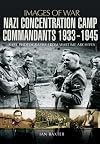
Nazi Concentration Camp Commandants 1933 – 1945
Ian Baxter has written and compiled some excellent material in Nazi Concentration Camp Commandants 1933 – 1945 and taken a new look at those who ran the camps and what life was like for them. The subject of the Commandants and those who worked within the camp complexes are usually found in academic books not accessible for many of those who want to learn more. While looking at this side of Camp life helps to illustrate how they could be so show more inhumane.
While set over four chapters the Introduction and explanation of the Concentration Camp system are probably the most important sections to read as it gives you the background to the four chapters. When people talk about Concentration Camps they automatically think of Auschwitz and the war, it is important to know that the system grew from 1933 for those deemed undesirable by the Nazis, not just Jews, but Gay, disabled, opposition politicians and more.
There is an excellent chapter on Camp Indoctrination which helps you to get under the skin of the motivations of commandants and Waffen-SS soldiers who worked there. There are many pictures in this book from Camps many may have no idea was part of the camp system and some of those pictures are haunting some are mundane.
It is probably the mundane pictures that hit home the most as on one side of the fence the inmates were being murdered, experimented on or worked to death, while they sat played cards or in the case of Auschwitz, had their own Country Club. The pictures of the guards and their ordinary lives set in a juxtaposition of the inmates is what makes the book so haunting. While the book is haunting it is also an excellent addition to the Holocaust Canon. show less
Ian Baxter has written and compiled some excellent material in Nazi Concentration Camp Commandants 1933 – 1945 and taken a new look at those who ran the camps and what life was like for them. The subject of the Commandants and those who worked within the camp complexes are usually found in academic books not accessible for many of those who want to learn more. While looking at this side of Camp life helps to illustrate how they could be so show more inhumane.
While set over four chapters the Introduction and explanation of the Concentration Camp system are probably the most important sections to read as it gives you the background to the four chapters. When people talk about Concentration Camps they automatically think of Auschwitz and the war, it is important to know that the system grew from 1933 for those deemed undesirable by the Nazis, not just Jews, but Gay, disabled, opposition politicians and more.
There is an excellent chapter on Camp Indoctrination which helps you to get under the skin of the motivations of commandants and Waffen-SS soldiers who worked there. There are many pictures in this book from Camps many may have no idea was part of the camp system and some of those pictures are haunting some are mundane.
It is probably the mundane pictures that hit home the most as on one side of the fence the inmates were being murdered, experimented on or worked to death, while they sat played cards or in the case of Auschwitz, had their own Country Club. The pictures of the guards and their ordinary lives set in a juxtaposition of the inmates is what makes the book so haunting. While the book is haunting it is also an excellent addition to the Holocaust Canon. show less
You May Also Like
Associated Authors
Statistics
- Works
- 97
- Members
- 1,191
- Popularity
- #21,588
- Rating
- 3.8
- Reviews
- 30
- ISBNs
- 227
- Languages
- 6