
Izzy Wasserstein
Author of These Fragile Graces, This Fugitive Heart
About the Author
Works by Izzy Wasserstein
Associated Works
We Will Rise Again: Speculative Stories and Essays on Protest, Resistance, and Hope (2025) — Contributor — 61 copies, 1 review
Glitter + Ashes: Queer Tales of a World That Wouldn't Die (2020) — Contributor — 42 copies, 2 reviews
Transcendent 4: The Year's Best Transgender Speculative Fiction (4) (2019) — Contributor — 24 copies
Bodies Built for Game: The Prairie Schooner Anthology of Contemporary Sports Writing (2019) — Contributor — 7 copies
Climbing Lightly Through Forests: A Poetry Anthology Honoring Ursula K. Le Guin (2021) — Contributor — 4 copies
Fireside Magazine Issue 67, May 2019 — Contributor — 1 copy
Tagged
Common Knowledge
- Birthdate
- 20th century
- Gender
- female
- Education
- Washburn University (BA)
University of New Mexico (MFA) - Occupations
- writer
poet
professor - Organizations
- California State University, San Bernardino
Washburn University - Agent
- Dorian Maffei [literary] (Kimberley Cameron & Associates)
Amy Schiffman [film/TV] (Echo Lake Entertainment)
Kim Yau [film/TV] (Echo Lake Entertainment) - Relationships
- Derrington, Nora E. (spouse)
- Short biography
- Izzy Wasserstein is a queer, trans woman who writes fiction and poetry and teaches writing and literature.
- Nationality
- USA
- Birthplace
- Kansas, USA
- Associated Place (for map)
- Kansas, USA
Members
Reviews
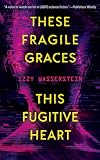
The Publisher Says: In a queer, noir technothriller of fractured identity and corporate intrigue, a trans woman faces her fear of losing her community as her past chases after her. This bold, thought-provoking debut science-fiction novella from a Lambda Award finalist is an exciting and unpredictable look at the fluid nature of our former and present selves.
In mid-21st-century Kansas City, Dora hasn’t been back to her old commune in years. But when Dora’s ex-girlfriend Kay is killed, and show more everyone at the commune is a potential suspect, Dora knows she’s the only person who can solve the murder.
As Dora is dragged back into her old community and begins her investigations, she discovers that Kay’s death is only one of several terrible incidents. A strange new drug is circulating. People are disappearing. And Dora is being attacked by assailants from her pre-transition past.
Meanwhile, it seems like a war between two nefarious corporations is looming, and Dora’s old neighborhood is their battleground. Now she must uncover a twisted conspiracy, all while navigating a deeply meaningful new relationship.
I RECEIVED A DRC FROM THE PUBLISHER VIA EDELWEISS+. THANK YOU.
My Review: There are some tropes in the noir genre I love more than others. One is the private dick with a complicated love history. Rick and Elsa in Casablanca. Marlowe and Ruth in The Maltese Falcon. Jake and Evelyn (and her daddy) in Chinatown. Walter Neff and Phyllis Dietrichson in Double Indemnity. Not one tiny shred of honest, forthright communication and commitment to any relationship's future in the lot. This being my deeply cynical belief about the reality of all marriages' basis and fates, I thought I'd got a solid bead on the way the genre will work on this topic.
Laddies and gentlewomen, Izzy Wasserstein blew the (closet) doors off this one.
Dora, our protagonist, lives in a deeply dysfunctional dystopian near-future (a couple decades) post-apocalyptic USA. We don't explore the apocalypse much, just live day-to-day with Dora...Theodora, né Theodore...as she tries to survive in the wreckage of hypercapitalism. She (chosen pronoun) spent years in a hardscrabble anarchist commune with her pretransition Theodore-self's lover and commune co-founder, Kay. The pair split up, and Dora left the commune, over Kay and the others' rejection of her desire to tighten the commune's security about new members and the commune's handling of data. The others felt it was not in the spirit of the effort to be so closed and paranoid; she did. So she closed the door behind her on the way out. Maybe slammed is fairer; maybe slammed the damn door so hard it splintered, even.
And now Dora has to return to the commune, using all her skills acquired while she was Theodore, to solve the murder of Kay. Why was Kay murdered? What did Dora tell the communards about security? Is this thing on? So begins a fast-lane tour of the hellscape that is Kansas City in this deeply divided world, as Dora ferrets out facts and confronts Big Bads. Naturally, there are ties in the story Dora unfolds to the Theodore past...and, not coincidentally, Dora is confronted with the cruelest, most cinema-friendly enemies imaginable: clones of Theodore.
This, then, is the heart of the story. The world, and the world-building, are not deep because you're not here for the wrapping paper but for the gift. Dora has to battle Theodore-faced enemies bound and determined to kill her! Can there be anything more visually appealing than that?! Can the cruelty of deadnaming be more bluntly portrayed?
I really doubt it can. The setup, the story, the world...all part of the point of the read: Identity, its power, its costs, and the sheer nightmarish house of mirrors the trans person must live with, and through, simply to claim what cisgender people walk around blissfully unaware that they possess.
Themselves. Their unquestioned selfhood, unimpacted by the feelings, opinions, judgments of others, unquestioned by the self-appointed guardians of...you know, I just don't know what they are guarding. No one's attacking my maleness by being transmasc or transfem. What needs guarding about that? Anyway, I exist in a bubble of privileges of many sorts, and reading books like this that take me into the unprivileged side of my life do me a gigantic service. Perspective is something I treasure, even when I don't unreservedly enjoy getting it.
I did not read the book with unalloyed pleasure. There'd be a fifth star on my rating had that been the case. I enjoyed the pace; the author starts fast and doesn't slow down. I enjoyed the message; see above. I was squirmy about the echoes of The Man Who Folded Himself. That wasn't unnecessary; but I had to read the author's Afterword to get why it was not gratuitous. I was a bit unconvinced by the Big Bad's motivation. Not eyerollingly so, but in that niggly little itch that says, "really? all this because of that?"
I default back to, readers aren't here for just one experience, just one focus, a single reward for their time spent in Dora's world. It's just a thing I felt vaguely unsatisfied by, and should try to explain to others in advance of their reads.
I think Author Izzy deserves your afternoon and evening to get this involving story into you. I'm glad it's in me now. show less
In mid-21st-century Kansas City, Dora hasn’t been back to her old commune in years. But when Dora’s ex-girlfriend Kay is killed, and show more everyone at the commune is a potential suspect, Dora knows she’s the only person who can solve the murder.
As Dora is dragged back into her old community and begins her investigations, she discovers that Kay’s death is only one of several terrible incidents. A strange new drug is circulating. People are disappearing. And Dora is being attacked by assailants from her pre-transition past.
Meanwhile, it seems like a war between two nefarious corporations is looming, and Dora’s old neighborhood is their battleground. Now she must uncover a twisted conspiracy, all while navigating a deeply meaningful new relationship.
I RECEIVED A DRC FROM THE PUBLISHER VIA EDELWEISS+. THANK YOU.
My Review: There are some tropes in the noir genre I love more than others. One is the private dick with a complicated love history. Rick and Elsa in Casablanca. Marlowe and Ruth in The Maltese Falcon. Jake and Evelyn (and her daddy) in Chinatown. Walter Neff and Phyllis Dietrichson in Double Indemnity. Not one tiny shred of honest, forthright communication and commitment to any relationship's future in the lot. This being my deeply cynical belief about the reality of all marriages' basis and fates, I thought I'd got a solid bead on the way the genre will work on this topic.
Laddies and gentlewomen, Izzy Wasserstein blew the (closet) doors off this one.
Dora, our protagonist, lives in a deeply dysfunctional dystopian near-future (a couple decades) post-apocalyptic USA. We don't explore the apocalypse much, just live day-to-day with Dora...Theodora, né Theodore...as she tries to survive in the wreckage of hypercapitalism. She (chosen pronoun) spent years in a hardscrabble anarchist commune with her pretransition Theodore-self's lover and commune co-founder, Kay. The pair split up, and Dora left the commune, over Kay and the others' rejection of her desire to tighten the commune's security about new members and the commune's handling of data. The others felt it was not in the spirit of the effort to be so closed and paranoid; she did. So she closed the door behind her on the way out. Maybe slammed is fairer; maybe slammed the damn door so hard it splintered, even.
And now Dora has to return to the commune, using all her skills acquired while she was Theodore, to solve the murder of Kay. Why was Kay murdered? What did Dora tell the communards about security? Is this thing on? So begins a fast-lane tour of the hellscape that is Kansas City in this deeply divided world, as Dora ferrets out facts and confronts Big Bads. Naturally, there are ties in the story Dora unfolds to the Theodore past...and, not coincidentally, Dora is confronted with the cruelest, most cinema-friendly enemies imaginable: clones of Theodore.
This, then, is the heart of the story. The world, and the world-building, are not deep because you're not here for the wrapping paper but for the gift. Dora has to battle Theodore-faced enemies bound and determined to kill her! Can there be anything more visually appealing than that?! Can the cruelty of deadnaming be more bluntly portrayed?
I really doubt it can. The setup, the story, the world...all part of the point of the read: Identity, its power, its costs, and the sheer nightmarish house of mirrors the trans person must live with, and through, simply to claim what cisgender people walk around blissfully unaware that they possess.
Themselves. Their unquestioned selfhood, unimpacted by the feelings, opinions, judgments of others, unquestioned by the self-appointed guardians of...you know, I just don't know what they are guarding. No one's attacking my maleness by being transmasc or transfem. What needs guarding about that? Anyway, I exist in a bubble of privileges of many sorts, and reading books like this that take me into the unprivileged side of my life do me a gigantic service. Perspective is something I treasure, even when I don't unreservedly enjoy getting it.
I did not read the book with unalloyed pleasure. There'd be a fifth star on my rating had that been the case. I enjoyed the pace; the author starts fast and doesn't slow down. I enjoyed the message; see above. I was squirmy about the echoes of The Man Who Folded Himself. That wasn't unnecessary; but I had to read the author's Afterword to get why it was not gratuitous. I was a bit unconvinced by the Big Bad's motivation. Not eyerollingly so, but in that niggly little itch that says, "really? all this because of that?"
I default back to, readers aren't here for just one experience, just one focus, a single reward for their time spent in Dora's world. It's just a thing I felt vaguely unsatisfied by, and should try to explain to others in advance of their reads.
I think Author Izzy deserves your afternoon and evening to get this involving story into you. I'm glad it's in me now. show less
More than the mystery itself, what stood out and made this book enjoyable was the exploration of how self-identity is impacted by experience and the friction between freedom and security. These themes are hashed out through the protagonist’s relationships with her former community and the clone sent to kill her.
Dora, a trans woman and security consultant, returns to the anarchist commune she cut ties with years ago to investigate her ex-girlfriend’s murder. In doing so, she stirs up the show more argument that led to her departure before — what security measures are acceptable to keep the community safe? What freedoms can be curtailed for the sake of the community?
At the same time, she deals with attacks from clones of her pre-transition self whose mysterious origins and purpose may hold the key to discovering why her former community is under attack. When she captures one of these clones, they join her in the investigation and begin to explore their own identity beyond what they were created for.
The clone — designated Blue — and Dora’s messy relationship and complicated feelings towards each other, as well as Blue’s growth as a character, were some of the best parts of the novel. The combination of seeing themselves in each other (positively and negatively) and as different people on different journeys to understanding themselves was insightful and showing this with a trans character added to it.
The clone fucking was not my favorite thing, I’ll admit, but I’ll take it for the sake of the story. show less
Dora, a trans woman and security consultant, returns to the anarchist commune she cut ties with years ago to investigate her ex-girlfriend’s murder. In doing so, she stirs up the show more argument that led to her departure before — what security measures are acceptable to keep the community safe? What freedoms can be curtailed for the sake of the community?
At the same time, she deals with attacks from clones of her pre-transition self whose mysterious origins and purpose may hold the key to discovering why her former community is under attack. When she captures one of these clones, they join her in the investigation and begin to explore their own identity beyond what they were created for.
The clone — designated Blue — and Dora’s messy relationship and complicated feelings towards each other, as well as Blue’s growth as a character, were some of the best parts of the novel. The combination of seeing themselves in each other (positively and negatively) and as different people on different journeys to understanding themselves was insightful and showing this with a trans character added to it.
The clone fucking was not my favorite thing, I’ll admit, but I’ll take it for the sake of the story. show less
I rarely read dystopian fiction—it generally feels enough like non-fiction to make the reading experience rather uncomfortable and often downright heart-breaking. I am, however, quite glad that I found These Fragile Graces, This Fugitive Heart. It is dystopian, but it's also a mystery (a genre I love to read) with a cast that covers pretty much the entire gender spectrum.
The novel is set in Kansas City several decades into the future. Class rifts have widened. The haves have even more. The show more have-nots scrabble along in the best ways they can using methods ranging from larceny to anarchist collective living. Dora (Theodora, once Theodore) used to be a part of a particular collective, but left it burning bridges behind her. So when Dora finds out that her ex, one of the founders of the collective, has been killed and then finds herself being attacked by a series of assassins who just happen to be clones of her pre-transition self.
This is mind-bending stuff. The technologies of the time are far enough from, yet close enough to, our own to feel both familiar and completely foreign. The hunt for the truth requires moving across a number of dangerous cultural landscapes and making risky decisions about who to trust.
If you enjoy mysteries or sci-fi that move beyond the usual cis-dominated cast, you'll love These Fragile Graces, This Fugitive Heart. If you enjoy both, you're in for a real treat—with whipped cream and a cherry on top.
I received a free electronic review copy of this title from the publisher; the opinions are my own. show less
The novel is set in Kansas City several decades into the future. Class rifts have widened. The haves have even more. The show more have-nots scrabble along in the best ways they can using methods ranging from larceny to anarchist collective living. Dora (Theodora, once Theodore) used to be a part of a particular collective, but left it burning bridges behind her. So when Dora finds out that her ex, one of the founders of the collective, has been killed and then finds herself being attacked by a series of assassins who just happen to be clones of her pre-transition self.
This is mind-bending stuff. The technologies of the time are far enough from, yet close enough to, our own to feel both familiar and completely foreign. The hunt for the truth requires moving across a number of dangerous cultural landscapes and making risky decisions about who to trust.
If you enjoy mysteries or sci-fi that move beyond the usual cis-dominated cast, you'll love These Fragile Graces, This Fugitive Heart. If you enjoy both, you're in for a real treat—with whipped cream and a cherry on top.
I received a free electronic review copy of this title from the publisher; the opinions are my own. show less
🌆 Post-collapse Kansas City
🏴 Anarchist commune
💉 Synthetic drugs & bio-implants
🔍 Trans urban noir
🧬 [REDACTED]
🔫 [REDACTED]
👩❤️💋👨 [REDACTED]
SERIOUSLY, IT'S A MYSTERY, EVERYTHING IS A SPOILER.
Okay, if you proceed past this line, you are officially in spoiler territory.
So, the economy has largely collapsed, the earth is too hot, you have kicked yourself out of an anarchist commune a while back, but now you've heard your ex (who is still in the commune) has show more died. An OD. But when you go to see her body to say goodbye, it doesn't look nearly as simple as that. The cops won't care and you don't trust anyone else, so obviously it's on you to figure out the who and why, but soon it seems someone wants YOU dead, too (and someone who has your face? or at least, your face had you not transitioned), so now there are clones and bioengineering companies and shadowy figures meeting under overpasses and what's a girl to do?
A near-future climate fiction thriller that also unpacks disassociation as a coping mechanism for growing up with anti-trans parents.
This was a quick read that kept me motivated to keep turning pages, even as I read 80% of it while in line for the Kamala Harris Rally at MSU. (I have NEVER had so many people clearly checking out the title of the book I was reading! Will any of them look it up later and pick it up? THEY SHOULD!)
I have been on a REAL RUN of trans books with anarchist agendas lately! I'm loving it! show less
🏴 Anarchist commune
💉 Synthetic drugs & bio-implants
🔍 Trans urban noir
🧬 [REDACTED]
🔫 [REDACTED]
👩❤️💋👨 [REDACTED]
SERIOUSLY, IT'S A MYSTERY, EVERYTHING IS A SPOILER.
Okay, if you proceed past this line, you are officially in spoiler territory.
So, the economy has largely collapsed, the earth is too hot, you have kicked yourself out of an anarchist commune a while back, but now you've heard your ex (who is still in the commune) has show more died. An OD. But when you go to see her body to say goodbye, it doesn't look nearly as simple as that. The cops won't care and you don't trust anyone else, so obviously it's on you to figure out the who and why, but soon it seems someone wants YOU dead, too (and someone who has your face? or at least, your face had you not transitioned), so now there are clones and bioengineering companies and shadowy figures meeting under overpasses and what's a girl to do?
A near-future climate fiction thriller that also unpacks disassociation as a coping mechanism for growing up with anti-trans parents.
This was a quick read that kept me motivated to keep turning pages, even as I read 80% of it while in line for the Kamala Harris Rally at MSU. (I have NEVER had so many people clearly checking out the title of the book I was reading! Will any of them look it up later and pick it up? THEY SHOULD!)
I have been on a REAL RUN of trans books with anarchist agendas lately! I'm loving it! show less
Lists
Awards


You May Also Like
Associated Authors
Statistics
- Works
- 4
- Also by
- 17
- Members
- 92
- Popularity
- #202,475
- Rating
- 3.9
- Reviews
- 7
- ISBNs
- 5