
Sarah Kapit
Author of Get a Grip, Vivy Cohen!
Works by Sarah Kapit
Associated Works
On All Other Nights: A Passover Celebration in 14 Stories (2024) — Contributor — 18 copies, 1 review
Tagged
Common Knowledge
There is no Common Knowledge data for this author yet. You can help.
Members
Reviews

12 YO Lara starts a detective agency and her younger sister Caroline starts middle school -- and this is another book with a ton of things going. For starters, both sisters are autistic in different ways. Their father has ADHD and periodic bouts of depression. Caroline uses a tablet to communicate and Lara is worried that she will experience bullying in the new school. Caroline is frustrated that no one seems to think she's capable of managing big change and maybe even causing trouble. show more There's a cousin, Aviva, and her mother living with the family and Lara definitely has some jealousy issues, Also an older brother, Noah, questioning what he wants to do in life and a younger brother, Benny, who's a mad maker genius and Ima, keeping things together. They have both Ashkenazi and Sephardic Judaism in the family. There are new friends and interests, and Lara is learning that getting into other people's business comes with dangers and sorrows. It's a complex, interesting story, and one of the only ones I've read with a neurodivergent protagonist where being capable of making bad decisions is valued as an important of a step into independence -- as it should be. Great characters living their best lives. show less
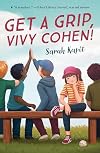
I really enjoyed this book in letters — just zipped along, and the narration on the audio book was excellent. Loved Vivy’s exuberant personality, love of the knuckleball and stubborn persistence even when things don’t go her way. Loved VJ Capello’s kind and respectful correspondence and solid advice. Vivy is autistic, Jewish, and a girl who pitches for baseball. VJ is a black major league pitcher with his own worries and problems, and their bond is both believable and a distinct show more asset to them both. Vivy’s older brother Nate comes out as gay later in the book, and her somewhat helicopter mom learns to let go. Altogether quite satisfying. show less
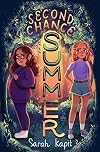
Told from alternating perspectives - Maddie and Chloe - and different time periods ("now" is at Camp Rosewood, "then" is the time period around their school musical the previous spring), Second Chance Summer is the story of a friendship between two very different girls who have been friends for a long time, but a fight has ruptured their friendship, and they are not pleased to discover they are not only camp-mates, but cabin-mates. Maddie - short, fat, Jewish, with dyspraxia - is looking show more forward to the camp's screenwriting program, having sworn off public performance after the school musical. Chloe - tall, slender, red-haired - is a child actor with a pushy mom who just made her do a commercial for a pill for period cramps. Chloe has her heart set on the role of Elphaba in the camp musical of Wicked, and Maddie is once again forced into the musical when the screenwriting program is reduced.
Maddie must learn how to speak up for herself, even to her best friend, and that what she wants is respect, not revenge. Chloe must learn how to be a better friend, and how to stand up to her mother (the result of this is somewhat anti-climactic, with her mother agreeing immediately to Chloe's desire to stop acting professionally).
See also: The Chance to Fly by Ali Stroker
Quotes
That's the thing about Chloe. Somehow, by the sheer force of her Chloe-ness, she gets me to consider things I'd never even think about if not for her putting the idea in my head. (Maddie, 67)
"Sometimes when you're given a set of constraints, your creativity can really thrive." (Hannah, 82)
This whole dealing-with-other-people's-emotions issue is so not my thing. (Chloe, 127)
"I'm done being the supporting character in the movie of your life." (Maddie to Chloe, 131)
...the past doesn't actually go away. It just kind of lurks around, popping up when I least want to or expect it to make an appearance. Poisoning everything. (Chloe, 194)
The script of the universe always plops me into the same scene as Chloe. (226)
When I'm her friend, the screenplay of my life is usually more exciting, more fun, more everything. (227) show less
Maddie must learn how to speak up for herself, even to her best friend, and that what she wants is respect, not revenge. Chloe must learn how to be a better friend, and how to stand up to her mother (the result of this is somewhat anti-climactic, with her mother agreeing immediately to Chloe's desire to stop acting professionally).
See also: The Chance to Fly by Ali Stroker
Quotes
That's the thing about Chloe. Somehow, by the sheer force of her Chloe-ness, she gets me to consider things I'd never even think about if not for her putting the idea in my head. (Maddie, 67)
"Sometimes when you're given a set of constraints, your creativity can really thrive." (Hannah, 82)
This whole dealing-with-other-people's-emotions issue is so not my thing. (Chloe, 127)
"I'm done being the supporting character in the movie of your life." (Maddie to Chloe, 131)
...the past doesn't actually go away. It just kind of lurks around, popping up when I least want to or expect it to make an appearance. Poisoning everything. (Chloe, 194)
The script of the universe always plops me into the same scene as Chloe. (226)
When I'm her friend, the screenplay of my life is usually more exciting, more fun, more everything. (227) show less
Vivy, an 11-year-old autistic girl, has been interested in being a knuckleball pitcher ever since meeting a MLB professional at a school field trip. As part of a social skills assignment, she starts writing letters to that ballplayer and is pleasantly surprised when he starts writing back. At the same time, she joins the local Little League team as the only girl and faces some setbacks, including what feels like a lack of support from her family at times.
I am a sucker for epistolary novels, show more which this is, even with the switch from letters to emails fairly early on. The mentor-mentee relationship between Vivy and professional baseball player VJ is extremely sweet, and it is ultimately mutually beneficial. I really appreciate how VJ takes Vivy’s concerns seriously and doesn’t placate her with aphorisms. Vivy struggles with finding the words to speak with her neurotypical mother at times, and she learns how to better express herself through writing. She also has a strong bond with her brother despite some concerns about him changing now that he’s in high school, and develops a close friendship with the catcher on her baseball team.
All of this is not to say that she doesn’t face issues. Some of them will resonate with all kinds of kids – like being teased by a mean boy on her team – while others are specific to Vivy’s autism. She worries that her mother and others view her as broken, she gets overwhelmed by too loud sounds, and so on. Still, at the end of the day, Vivy finds success enough for her and that will instill an appropriate amount of hope in the readers.
I am a sucker for epistolary novels, which this is, even with the switch from letters to emails fairly early on. The mentor-mentee relationship between Vivy and professional baseball player VJ is extremely sweet, and it is ultimately mutually beneficial. I really appreciate how VJ takes Vivy’s concerns seriously and doesn’t placate her with aphorisms. Vivy struggles with finding the words to speak with her neurotypical mother at times, and she learns how to better express herself through writing. She also has a strong bond with her brother despite some concerns about him changing now that he’s in high school, and develops a close friendship with the catcher on her baseball team.
All of this is not to say that she doesn’t face issues. Some of them will resonate with all kinds of kids – like being teased by a mean boy on her team – while others are specific to Vivy’s autism. She worries that her mother and others view her as broken, she gets overwhelmed by too loud sounds, and so on. Still, at the end of the day, Vivy finds success enough for her and that will instill an appropriate amount of hope in the readers. show less
I am a sucker for epistolary novels, show more which this is, even with the switch from letters to emails fairly early on. The mentor-mentee relationship between Vivy and professional baseball player VJ is extremely sweet, and it is ultimately mutually beneficial. I really appreciate how VJ takes Vivy’s concerns seriously and doesn’t placate her with aphorisms. Vivy struggles with finding the words to speak with her neurotypical mother at times, and she learns how to better express herself through writing. She also has a strong bond with her brother despite some concerns about him changing now that he’s in high school, and develops a close friendship with the catcher on her baseball team.
All of this is not to say that she doesn’t face issues. Some of them will resonate with all kinds of kids – like being teased by a mean boy on her team – while others are specific to Vivy’s autism. She worries that her mother and others view her as broken, she gets overwhelmed by too loud sounds, and so on. Still, at the end of the day, Vivy finds success enough for her and that will instill an appropriate amount of hope in the readers.
I am a sucker for epistolary novels, which this is, even with the switch from letters to emails fairly early on. The mentor-mentee relationship between Vivy and professional baseball player VJ is extremely sweet, and it is ultimately mutually beneficial. I really appreciate how VJ takes Vivy’s concerns seriously and doesn’t placate her with aphorisms. Vivy struggles with finding the words to speak with her neurotypical mother at times, and she learns how to better express herself through writing. She also has a strong bond with her brother despite some concerns about him changing now that he’s in high school, and develops a close friendship with the catcher on her baseball team.
All of this is not to say that she doesn’t face issues. Some of them will resonate with all kinds of kids – like being teased by a mean boy on her team – while others are specific to Vivy’s autism. She worries that her mother and others view her as broken, she gets overwhelmed by too loud sounds, and so on. Still, at the end of the day, Vivy finds success enough for her and that will instill an appropriate amount of hope in the readers. show less
Lists
Awards


You May Also Like


Associated Authors
Statistics
- Works
- 6
- Also by
- 1
- Members
- 354
- Popularity
- #67,647
- Rating
- 4.0
- Reviews
- 17
- ISBNs
- 33