
Nu Nu Yi
Author of Smile as they Bow
About the Author
Works by Nu Nu Yi
Tagged
Common Knowledge
- Canonical name
- Nu Nu Yi
- Legal name
- Nu Nu Yi
- Other names
- Nu Nu Yi (Inwa)
- Birthdate
- 1957-05-18
- Gender
- female
- Occupations
- author
- Nationality
- Myanmar
- Birthplace
- Inwa, Burma
- Map Location
- Myanmar
Members
Reviews
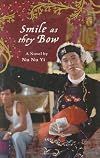
The novel opens a door not merely to the traditions of the Burmese people, but to an entirely new world shaped by beliefs and spiritualism about which little—or almost nothing—is known in Western civilization.
The author approaches the ceremonial nature of the Taungbyon festival with a mature skepticism, using it as a kind of mise-en-scène for the narrative. Through grotesque detail, she reveals the modern corruption and materialization of religious mysticism, as well as the life and show more realities of the natkadaw subculture, which exists on the backs of those who believe in the miracles of the religious figures of the brothers Shwepyingyi and Shwepyinlei.
This is one of those novels whose central character is, in fact, an antihero—difficult for the reader to like, despite the vividness with which he is portrayed. The plot weaves its way through a series of ceremonial traditions and ultimately leads to universal questions about unshared, misunderstood, and illogical love: when are we together, why are we together, and whether what binds us is recognized as love by both sides.
An enriching work that stirs the reader’s curiosity and invites them to explore the unfamiliar cultural traditions of Myanmar. show less
The author approaches the ceremonial nature of the Taungbyon festival with a mature skepticism, using it as a kind of mise-en-scène for the narrative. Through grotesque detail, she reveals the modern corruption and materialization of religious mysticism, as well as the life and show more realities of the natkadaw subculture, which exists on the backs of those who believe in the miracles of the religious figures of the brothers Shwepyingyi and Shwepyinlei.
This is one of those novels whose central character is, in fact, an antihero—difficult for the reader to like, despite the vividness with which he is portrayed. The plot weaves its way through a series of ceremonial traditions and ultimately leads to universal questions about unshared, misunderstood, and illogical love: when are we together, why are we together, and whether what binds us is recognized as love by both sides.
An enriching work that stirs the reader’s curiosity and invites them to explore the unfamiliar cultural traditions of Myanmar. show less
Well, the best thing about this novella was the picture it painted of an unfamiliar (to me) culture, specifically the festivals honoring nats (or spirits) in Taungbyon, Burma, and the natkadaws, or spirit wives, now mostly transvestites but historically women, who "embody" the spirits and make and distribute a lot of money in the process. Through the thoughts and actions of the primary character, a transvestite known as Daisy Bond, as well as those of several secondary characters, the reader show more sees how the natkadaws acquire and manage their followers, largely wealthy women, who shower them with gifts and money so the spirits they channel will bring them even more wealth and success; the competition for placement in the processions to the various temples over the course of the seven-day festival; the difficulties of aging; the struggles of the poor through begging and through actually being sold to wealthier people; and the way the festival has started attracting tourists from all over, as well as all those who would like to make money from them, including trinket-sellers and pickpockets.
All of this is interesting in an anthropological way, but as a story it bordered on the soap-operaish. It was also interesting to have a picture of life in Burma/Myanmar apart from the political oppression that is more familiar to those of us in the west. Nu Nu Yi is apparently a popular and prolific writer in Burma/Myanmar, but this is her only work to have been translated into English; it was short-listed for the Man Asia literary prize.
Needless to say, I have no familiarity with Burmese, and the translation, by another Burmese woman and a man who has spent a lot of time there, seemed generally OK to me. But I was struck by references to people born on certain days of the week, which apparently has some astrological or zodiacal significance, because they used our western names for the days. I looked this up on Wikipedia, and there is a correlation between the Burmese system and our system, but I found the use of western names for the days jarring and would have preferred the translators to keep the Burmese words as they did for various other spirit-related terminology.
For more information on nats and nat festivals, see this Wikipedia article. I also note on the web that there are quite a few travel agencies offering trips to the Taungbyon festival. There's no business like (religious) show business! show less
All of this is interesting in an anthropological way, but as a story it bordered on the soap-operaish. It was also interesting to have a picture of life in Burma/Myanmar apart from the political oppression that is more familiar to those of us in the west. Nu Nu Yi is apparently a popular and prolific writer in Burma/Myanmar, but this is her only work to have been translated into English; it was short-listed for the Man Asia literary prize.
Needless to say, I have no familiarity with Burmese, and the translation, by another Burmese woman and a man who has spent a lot of time there, seemed generally OK to me. But I was struck by references to people born on certain days of the week, which apparently has some astrological or zodiacal significance, because they used our western names for the days. I looked this up on Wikipedia, and there is a correlation between the Burmese system and our system, but I found the use of western names for the days jarring and would have preferred the translators to keep the Burmese words as they did for various other spirit-related terminology.
For more information on nats and nat festivals, see this Wikipedia article. I also note on the web that there are quite a few travel agencies offering trips to the Taungbyon festival. There's no business like (religious) show business! show less
Wow. This story opened my eyes to an entire culture that I really didn't know existed (the natkadaws or spirit mediums/spirit wives at festivals in Myanmar). I was also surprised to learn that many of the natkadaws are gay men who openly dress as women, which is something I would have expected to have been illegal (or at least very dangerous) in a conservative society like Myanmar. Even though the story is fiction, a lot of the details seem to be very accurate (based on some additional show more reading I did spurred on by this story).
The story itself is fairly simplistic & not only revolves around the natkadaw Daisy Bond, but also his love for his assistant/helper Min Min. But then Min Min has his heart stolen by a girl visiting the festival. So part of it is cultural tale, part an unrequited love story. Daisy is one fiery, feisty, & flamboyant character, which keeps the story rolling along at a quick pace.
If you are interested in learning more about natkadaws, here are some of the resources I read or watched:
A 10-minute 'preview' clip from the documentary Friends in High Places. (Click "watch a preview".)
A 1.5 hour documentary on YouTube that covers the festival in Taungbyon.
An article from Guernica: After the Green Death.
A stage drama adaptation of the book. show less
The story itself is fairly simplistic & not only revolves around the natkadaw Daisy Bond, but also his love for his assistant/helper Min Min. But then Min Min has his heart stolen by a girl visiting the festival. So part of it is cultural tale, part an unrequited love story. Daisy is one fiery, feisty, & flamboyant character, which keeps the story rolling along at a quick pace.
If you are interested in learning more about natkadaws, here are some of the resources I read or watched:
A 10-minute 'preview' clip from the documentary Friends in High Places. (Click "watch a preview".)
A 1.5 hour documentary on YouTube that covers the festival in Taungbyon.
An article from Guernica: After the Green Death.
A stage drama adaptation of the book. show less
Beautifully written. Changes point of view throughout text, sometimes within a paragraph. Love seeing different perspectives. Stunning descriptions. Very real, nothing sugar-coated. Cultural, historical, and psychological approaches to a love story.
Lists
Awards


You May Also Like
Associated Authors
Statistics
- Works
- 1
- Members
- 83
- Popularity
- #218,810
- Rating
- 2.8
- Reviews
- 6
- ISBNs
- 3