
Elie Honig
Author of Untouchable: How Powerful People Get Away with It
Works by Elie Honig
Hatchet Man: How Bill Barr Broke the Prosecutor's Code and Corrupted the Justice Department (2021) 53 copies, 5 reviews
Tagged
Common Knowledge
- Birthdate
- 1975-04-03
- Gender
- male
Members
Reviews
Hatchet Man: How Bill Barr Broke the Prosecutor's Code and Corrupted the Justice Department by Elie Honig
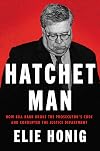
Former prosecutor Honig, in this well-written critique, lays out the highly compelling and infuriating case against former Attorney General Bill Barr. Firstly, he skewers Barr for actively seeking the AG job (see Dick Cheney and the Jeopardy guy) despite the fact that he had NEVER prosecuted a case. Honig sees this as a clear disqualifier for the role of chief defender of the Constitution (NOT the president). He cites the many unprecedented actions taken by Barr, against either Dept of show more Justice rules or traditions, in his quest to bolster his concept of the imperial presidency that places the chief executive above the law. Included in this critical narrative are Honig’s own experiences at the SDNY as a prosecutor in organized crime cases (Gotti) and a view into the workings of that office. He also offers nine reforms to fix what Barr tried to destroy. Hopefully, Merrick Garland will buy this excellent book!
Barr’s dirty deeds:
- He thwarted the DoJ prosecutions of Flynn and Stone, leading to the resignations of the prosecuting leads in the cases and cutting the knees right out from under them – “Barr’s interference was both politically driven and legally incorrect. He showed the world that DoJ’s own house was not in order by contradicting his own people, in service of dubious ends.” A total of seven prosecutors resigned during his tenure.
- He lied and obfuscated to Congress when asked why he was not investigating Trump’s commuting of Stone’s prison sentence, and he denied seeking a lower sentence in the case. The Justice Department charges more than 80,000 defendants annually, and Barr undermined the sentencing recommendation IN THIS ONE CASE ONLY.
-He booked a 30k party at Trump’s DC hotel.
-He defended Trump’s defaming of E. Jean Carroll, saying that Trump was “acting within the scope of his office.”
-He authorized federal agents to use force on civilians to set the stage for a campaign event, and lied about it.
-He never publicly acknowledged the plot to kidnap MI governor Whitmer nor condemned any right-wing terrorists, contributing to the Jan 6th insurrection.
-He discussed ongoing investigations publicly, ignoring the “blackout rule” (Comey had done the same as FBI Director)
-He lied about ballot fraud in Texas
-He was in thrall to the Federalist Society and to advancing a stronger role for religion in politics, decrying the “evils of secularism”
-He reversed course when it became clear that Trump was going to lose the 2020 election
The book went to press before the latest revelations that Trump, when Barr resigned, considered firing Acting AG Rosen in favor of Jeffrey Clark, who had been introduced to Trump by a Pennsylvania politician and had told the president that he agreed that fraud had affected the election results.
Quotes: "Barr used every tool at his disposal to protect Trump from Mueller's investigation."
“The exasperating trademark of the Mueller Report: here’s a bunch of damning evidence, but who’s to say if it constitutes a crime?” show less
Barr’s dirty deeds:
- He thwarted the DoJ prosecutions of Flynn and Stone, leading to the resignations of the prosecuting leads in the cases and cutting the knees right out from under them – “Barr’s interference was both politically driven and legally incorrect. He showed the world that DoJ’s own house was not in order by contradicting his own people, in service of dubious ends.” A total of seven prosecutors resigned during his tenure.
- He lied and obfuscated to Congress when asked why he was not investigating Trump’s commuting of Stone’s prison sentence, and he denied seeking a lower sentence in the case. The Justice Department charges more than 80,000 defendants annually, and Barr undermined the sentencing recommendation IN THIS ONE CASE ONLY.
-He booked a 30k party at Trump’s DC hotel.
-He defended Trump’s defaming of E. Jean Carroll, saying that Trump was “acting within the scope of his office.”
-He authorized federal agents to use force on civilians to set the stage for a campaign event, and lied about it.
-He never publicly acknowledged the plot to kidnap MI governor Whitmer nor condemned any right-wing terrorists, contributing to the Jan 6th insurrection.
-He discussed ongoing investigations publicly, ignoring the “blackout rule” (Comey had done the same as FBI Director)
-He lied about ballot fraud in Texas
-He was in thrall to the Federalist Society and to advancing a stronger role for religion in politics, decrying the “evils of secularism”
-He reversed course when it became clear that Trump was going to lose the 2020 election
The book went to press before the latest revelations that Trump, when Barr resigned, considered firing Acting AG Rosen in favor of Jeffrey Clark, who had been introduced to Trump by a Pennsylvania politician and had told the president that he agreed that fraud had affected the election results.
Quotes: "Barr used every tool at his disposal to protect Trump from Mueller's investigation."
“The exasperating trademark of the Mueller Report: here’s a bunch of damning evidence, but who’s to say if it constitutes a crime?” show less
Hatchet Man: How Bill Barr Broke the Prosecutor's Code and Corrupted the Justice Department by Elie Honig

🪓 For History Buffs, Legal Eagles, and Political Junkies
Elie Honig’s debut novel 🪓Hatchet Man is a significant historical work berating Attorney General William Pelham Barr (born May 23, 1950) under the Trump administration. As a former SDNY AG, Honig lays out a chronology with so many critically damning facts and detailed perspectives that readers are likely to highlight every page. Barr first appeared on the public scene with his now-infamous “audition memo.” “In it, Barr show more writes that the president has ‘complete authority to start or stop a law enforcement proceeding.’ Barr later amplifies this notion, declaring that ‘the President’s law enforcement powers extend to all matters, including those in which he has a personal stake.’”
People may wonder why Barr, a wealthy, semi-retired, and former AG under H.W. Bush, would want a second go at the job? Honig’s insights offer a pretty straightforward answer: power and Barr’s conservative, right-wing, anti-secular, anti-gay ideology. The AG holds staggering power. He can make life and death decisions, has a security detail, people stand when he walks in the room “It can get heady being a prosecutor. You hold unimaginable power, and you can do almost anything you please and go almost anywhere you want.” And “The prosecutor has more control over life, liberty, and reputation than any other person in America.”
Barr’s ultimate demonstration of his power crescendoed on June 1, 2020. After Trump’s insistence whining, Barr arranged to have unmarked law enforcement officers attack Black Lives Matter protesters in Lafayette Park. These officers cleared the streets around St. John’s church—so Trump could casually stroll over, stand in front of the church, hold a Bible, and have his picture taken. The force used was savage as they clubbed, fired flash-bangs, rubber bullets, deployed pepper bombs/tear gas against the protesting citizens.
Another example of Barr flexing his power is when he began executing death row inmates. “…no federal inmate had actually been executed since 2003. Following Barr’s orders, DOJ carried out ten executions from July 2020 through the end of Barr’s tenure in late December, all by lethal injection…” and to put a fine point on his power “…the federal government carried out three more executions after Barr left office but before the end of Trump’s presidency, on January 13, 14, and 16, 2021. These people would have been spared once Biden took office just hours later. But Barr made sure to flex the full might of his office, in the most dramatic manner, on his way out the door.”
The second reason Barr wanted the AG job was to create cultural dissonance. He actively sought to ingrain a Christian fundamentalist theocracy. According to Barr, “religion was the answer to virtually all things: its proper role was to guide public life and impose order on society, and its absence caused widespread societal ills.”
“Thus, Barr declared, ‘in the Framers’ view, free government was only suitable and sustainable for a religious people.’…only “religious people” can sustain free government. Religion, ‘gives us the right rules to live by.’”
“And in his view, it’s not so much religion itself that must prevail, but only a certain type of religion: ‘In fact, Judeo-Christian moral standards are the ultimate utilitarian rules for human conduct.’”
In short, the Barr/Trump union was a match made in Hell. Barr recognized he could use Trump as a vehicle to the power and ideological goals he deeply craved. And, Trump did get his “Roy Cohn.” Together, they were a ghoulish nightmare, a dynamic, demonic duo. Dare I say evil?
At the end of the book, Honig makes policy recommendations to stop such a Barr/Trump fiasco from ever occurring again. Honig recognizes the need for supporting legislation, but his main proposal is for additional, more strident rules and policies to the Justice Department’s manual.
I agree with Honig’s keen recommendations for rule changes. However, I take issue with that assessment too. What good are the rules, norms, and standards when the leaders simply throw the rule book out the window and spit on it?
Before Barr started the job, the Justice Department’s Rule Book already had long-standing guidelines for nearly everything he bent or broke. Rules are meaningless to people like Barr and Trump. Here, in this one area, I think Honig is naive and pollyannish. On this topic, Honig shows himself to be an optimistic hero in a cape and all because he thinks rules are enough. For a good guy like Honig, honorably adhering to policy is all that is required. However, for the Barrs of the world—new laws with inescapable “you will be indicted” harsh penalties are the only deterrent available. Perhaps, in an updated version of his book, Honig will assess the laws that Congress should pass to stop this from ever happening again.
I still have at least a dozen questions I’d love to hear Honig’s response to or see discussed. Elie, would you be willing to entertain or respond to my questions? A moot for your book?
🪓Hatchet Man” is a well-written history of how Barr destroyed the Department of Justice. It is jammed with facts and filled with the outrage one would expect from a former SDNY prosecutor—one of the good guys. I highly recommend you preorder your July 6th copy right now. show less
Elie Honig’s debut novel 🪓Hatchet Man is a significant historical work berating Attorney General William Pelham Barr (born May 23, 1950) under the Trump administration. As a former SDNY AG, Honig lays out a chronology with so many critically damning facts and detailed perspectives that readers are likely to highlight every page. Barr first appeared on the public scene with his now-infamous “audition memo.” “In it, Barr show more writes that the president has ‘complete authority to start or stop a law enforcement proceeding.’ Barr later amplifies this notion, declaring that ‘the President’s law enforcement powers extend to all matters, including those in which he has a personal stake.’”
People may wonder why Barr, a wealthy, semi-retired, and former AG under H.W. Bush, would want a second go at the job? Honig’s insights offer a pretty straightforward answer: power and Barr’s conservative, right-wing, anti-secular, anti-gay ideology. The AG holds staggering power. He can make life and death decisions, has a security detail, people stand when he walks in the room “It can get heady being a prosecutor. You hold unimaginable power, and you can do almost anything you please and go almost anywhere you want.” And “The prosecutor has more control over life, liberty, and reputation than any other person in America.”
Barr’s ultimate demonstration of his power crescendoed on June 1, 2020. After Trump’s insistence whining, Barr arranged to have unmarked law enforcement officers attack Black Lives Matter protesters in Lafayette Park. These officers cleared the streets around St. John’s church—so Trump could casually stroll over, stand in front of the church, hold a Bible, and have his picture taken. The force used was savage as they clubbed, fired flash-bangs, rubber bullets, deployed pepper bombs/tear gas against the protesting citizens.
Another example of Barr flexing his power is when he began executing death row inmates. “…no federal inmate had actually been executed since 2003. Following Barr’s orders, DOJ carried out ten executions from July 2020 through the end of Barr’s tenure in late December, all by lethal injection…” and to put a fine point on his power “…the federal government carried out three more executions after Barr left office but before the end of Trump’s presidency, on January 13, 14, and 16, 2021. These people would have been spared once Biden took office just hours later. But Barr made sure to flex the full might of his office, in the most dramatic manner, on his way out the door.”
The second reason Barr wanted the AG job was to create cultural dissonance. He actively sought to ingrain a Christian fundamentalist theocracy. According to Barr, “religion was the answer to virtually all things: its proper role was to guide public life and impose order on society, and its absence caused widespread societal ills.”
“Thus, Barr declared, ‘in the Framers’ view, free government was only suitable and sustainable for a religious people.’…only “religious people” can sustain free government. Religion, ‘gives us the right rules to live by.’”
“And in his view, it’s not so much religion itself that must prevail, but only a certain type of religion: ‘In fact, Judeo-Christian moral standards are the ultimate utilitarian rules for human conduct.’”
In short, the Barr/Trump union was a match made in Hell. Barr recognized he could use Trump as a vehicle to the power and ideological goals he deeply craved. And, Trump did get his “Roy Cohn.” Together, they were a ghoulish nightmare, a dynamic, demonic duo. Dare I say evil?
At the end of the book, Honig makes policy recommendations to stop such a Barr/Trump fiasco from ever occurring again. Honig recognizes the need for supporting legislation, but his main proposal is for additional, more strident rules and policies to the Justice Department’s manual.
I agree with Honig’s keen recommendations for rule changes. However, I take issue with that assessment too. What good are the rules, norms, and standards when the leaders simply throw the rule book out the window and spit on it?
Before Barr started the job, the Justice Department’s Rule Book already had long-standing guidelines for nearly everything he bent or broke. Rules are meaningless to people like Barr and Trump. Here, in this one area, I think Honig is naive and pollyannish. On this topic, Honig shows himself to be an optimistic hero in a cape and all because he thinks rules are enough. For a good guy like Honig, honorably adhering to policy is all that is required. However, for the Barrs of the world—new laws with inescapable “you will be indicted” harsh penalties are the only deterrent available. Perhaps, in an updated version of his book, Honig will assess the laws that Congress should pass to stop this from ever happening again.
I still have at least a dozen questions I’d love to hear Honig’s response to or see discussed. Elie, would you be willing to entertain or respond to my questions? A moot for your book?
🪓Hatchet Man” is a well-written history of how Barr destroyed the Department of Justice. It is jammed with facts and filled with the outrage one would expect from a former SDNY prosecutor—one of the good guys. I highly recommend you preorder your July 6th copy right now. show less
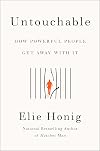
If the last book I reviewed, Condemned, by Keith Lamar, laments how poor, black and other minorities get the short end of the stick as far as the criminal justice system goes in the U.S., Untouchable clearly demonstrates the exact opposite. Author Elie Honig, a former US prosecutor for the Southern District of New York and CNN senior legal analyst details how powerful people often shield themselves effectively from criminal prosecution, even when they are clearly guilty as sin. Honig shifts show more between focusing on some of the mob bosses and underlings he went after and Donald J. Trump. Not surprisingly, many of the tactics and built in defenses, are exactly the same. Each of his chapters demonstrates a slightly different defense that protects the most powerful, typically those at the very top of the criminal enterprise, like the Don or Mafia head, as well as the president of the United States. For example chapter one, "Do What You Have to Do" demonstrates that a kingpin need not be specific to be understood and this complicates matters for prosecutors who may lack a smoking gun. This theme is picked up in a later chapter - Say it Without Saying it. Other chapters discuss how lawyers that represent underlings often serve the Godfather, the impossibly high cost of legal representation that favors the rich over everyone else, how difficult it is to go after those at the apex of an organization as opposed to those at the lowest levels (to get the guy at the top you have to flip a lot of underlings), fear among jurors and others in the family, Omerta or enforcing silence, individual and systemic biases, among other factors. It is a fascinating litany. And when Honig focuses on Trump, you see how the office of the presidency offers even more advantages. Untouchable came out before Trump was eventually indicted. But even so, Honig is not optimistic of Trump's chances of being convicted. He feels that both Fani Willis and Merrick Garland waited much too long and squandered some early advantages. Honig is an excellent lawyer and analyst and I don't doubt he may be correct, as much as I wish he were not. show less
Hatchet Man: How Bill Barr Broke the Prosecutor's Code and Corrupted the Justice Department by Elie Honig
Excellently organized, cogent dissection of Barr's actions at the Department of Justice that shattered prosecutorial standards to serve his political and cultural beliefs. A well-written primer on what happened that includes Honig's recommendations for how to restore integrity at DOJ. The book resonates because his interest is in supporting the work at DOJ as far more important than making political points.
Statistics
- Works
- 3
- Members
- 145
- Popularity
- #142,478
- Rating
- 4.1
- Reviews
- 6
- ISBNs
- 19