
Anne Welsh (1)
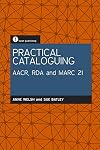
Author of Practical Cataloguing: AACR, RDA and MARC21
For other authors named Anne Welsh, see the disambiguation page.
About the Author
Image credit: Academia
Works by Anne Welsh
Tagged
Common Knowledge
- Gender
- female
Members
Reviews
Practical Cataloguing: AACR, RDA and MARC21 Chapter 7 MARC 21 | Chapter 4 Access Points and Headings | Chapter 3 Bibliographic Elements | Chapter 2 The FRBRization of the Catalogue by Anne Welsh
PDFWE2 | Chapter 7 | The idea to use computers for cataloging was developed by the Library of Congress from the 1950s. Various studies were carried out, resulting in the Machine Readable Cataloging (MARC) project; from 1966 Library of Congress MARC data was sent out to 16 libraries on tape (Chan, 2007). A similar initiative took place in the UK under the auspices of the British National ·r Bibliography and such was the success on both sides of the Atlantic that in 1968 the projects came show more together to form the MARCH format, an attempt to produce a standard Anglo-American format. This attempt was only partially successful and during the next 25 years over 50 different MARC formats developed across the world, including UKMARC and USMARC. Eventually, in 2001 the British Library ceased the use and maintenance of the UKMARC format and adopted the harmonized US and Canadian format, MARC 21 | We have already looked at MARC 21 for authority data. This chapter considers MARC 21 for bibliographic data, which is used by many libraries for their catalog records | Chapter 7 of "Practical Cataloguing: AACR, RDA and MARC21" is essential for understanding the MARC 21 format and its application in modern cataloging practices. It provides detailed guidelines and practical examples to ensure that cataloguers can effectively create and manage MARC 21 records, supporting the broader transition to RDA | The chapter also discusses the relationship between MARC 21 and RDA, highlighting how the MARC 21 format has been adapted to accommodate RDA's new cataloging principles. It provides insights into how cataloguers can transition smoothly from AACR2 to RDA while continuing to use MARC 21 | The authors state that it is not a code, and that codes are ISBD, LCSH, or AACR, but it feels like a code as in coding in a research study |
Chapter 4 | The authors discuss the concept and importance of access points in cataloging. Access points are structured headings used in catalog records that allow users to search and locate information effectively. These can include names, titles, subjects, and more. The chapter emphasizes the role of access points in helping users form successful search strategies and retrieve relevant information. It also relates access points to Ranganathan's Laws, highlighting their role in ensuring every reader can find the book they are looking for. Access points are crucial for forming successful search strategies. They predict the most common ways users will search for an item, ensuring that searches yield relevant results. The chapter ties the function of access points back to Ranganathan’s Laws of Library Science, particularly the laws "Every book its reader" and "Every reader his book." This demonstrates how access points facilitate effective user interaction with the catalog. |
Chapter 3 | The authors focus on bibliographic elements, which are essential for creating accurate and comprehensive catalog records.| The chapter addresses the shift from AACR2 to RDA and how MARC21 accommodates these changes, particularly in the context of digital resources and new media formats. |
Chapter 2 | The authors delve into the application of Functional Requirements for Bibliographic Records (FRBR) in the cataloging process. It explains how FRBR's conceptual model reshapes cataloging by focusing on the relationships between entities (works, expressions, manifestations, and items) and improving user access to bibliographic records. The chapter outlines the principles of FRBR, its implementation challenges, and its impact on cataloging standards such as RDA (Resource Description and Access). |
Contents for Chapter 7
1. Introduction What is MARC 21 pg. 1
2. Catalog Format, Not Cataloging Code pg. 2
3. The Structure of a MARC Record pg. 2
4. Main Entries and Added Entries Revisited pg. 2
5. Punctuation pg. 3
6. Common MARC 21 Fields pg. 3
7. The Impact of RDA pg. 14
Contents for Chapter 4
1. What are access points and why do we need them? ....49
2. ‘Every reader his book’......50
3. Defining the author ......51
4. Defining the title.......51
5. Access points in the modern catalo.52
6. Name authority control....61
7. Headings for corporate bodies.......72
8. Titles ................................75
9. Multipart works and series.....80
Contents Chapter 3
1. Format first........17
2. Identifying the bibliographic elements........20
3. Title and statement of responsibility.....21
4. Edition area ............30
5. Publication area .......33
6. Date of publication.......37
7. Punctuating the publication, distribution, etc. area......41
8. Physical description area..........42
10. Series area .......45
11. Note area..........46
12. Standard number and terms of availability ......48
13. Conclusion .......48
Contents Chapter 2
1. Relationships at the heart of the catalog.......8
2. Works, expressions, manifestations, and items .......10
3. Relationships to people........11
Contents of the Book
Acknowledgments.......xi
Preface ........xiii
1 Catalogues and cataloguing standards .......1
Ranganathan .......2
Cutter .......3
Lubetzky ....4
The Paris Principles, ISBD, AACR, RDA .....5
2 The FRBRization of the catalog......7
Relationships at the heart of the catalog.......8
Works, expressions, manifestations, and items .......10
Relationships to people........11
3 Bibliographic elements .....17
Format first........17
Identifying the bibliographic elements........20
Title and statement of responsibility.....21
Edition area ............30
Publication area .......33
Date of publication.......37
Punctuating the publication, distribution, etc. area......41
Physical description area..........42
Series area .......45
Note area..........46
Standard number and terms of availability ......48
Conclusion .......48
4 Access points and headings......49
What are access points and why do we need them? ....49
‘Every reader his book’......50
Defining the author ......51
Defining the title.......51
Access points in the modern catalo.52
Name authority control....61
Headings for corporate bodies.......72
Titles ................................75
Multipart works and series.....80
5 RDA: resource description and access.....83
Timeline to change ...83
Changes.......84
The development of RDA and its principles........87
FRBR as the foundation of RDA......90
Relationships between entity groups ....94
FRBRizing the catalogue...101
Practical cataloguing today..103
6 AACR and RDA.105
Introduction.....105
Title proper ...106
Statement of responsibility relating to title...110
Media type....119
Illustrative content......125
Creator...127
Related work.....128
Conclusion....129
7 MARC 21.......131
What is MARC 21?.......131
Catalog format, not cataloging code ..132
The structure of a MARC record..132
Main entries and added entries revisited ....133
Punctuation ....134
Common MARC 21 fields...135
The impact of RDA.....156
8 Practical cataloging: bringing it all together ....159
Key activities for cataloging managers........162
Key activities for cataloguers....164
Key activities for the beginning cataloguer ....165
9 The birth of RDA and the death of MARC? ...167
Testing resource description and access: final recommendations...167
‘MARC must die’.....170
10 Example....173
Sample records for J.H. Bowman. Essential cataloging. London:
Facet Publishing, 2007.....174
Sample records for Derek Adams. Unconcerned but not
indifferent. Colchester: Ninth Arrondissement, 2006.....177
Sample records for Pascale Petit. The wounded deer.
Huddersfield: Smith Doorstop, 2005 .....181
Sample records for Jasmine Ann Cooray. Everything we don’t say. London: Tall Lighthouse, 2009.....186
Sample records for Joanna Ezekiel. Centuries of skin. Snitterfield: Ragged Raven, 2010......189
Sample records for Henry Charles Moore. Noble deeds of the world’s heroines. London: Religious Tract Society, 1903....192
Sample records for W. Carew Hazlitt (ed.). The essays of Michel de Montaigne. London: George Bell & Sons, 1892....194
Sample records for David Pearson. Provenance research in book history: a handbook. London: British Library, 1998 ..197
Sample records for John H. Ingram. The poetical works of Elizabeth Barrett Browning, from 1862 to 1844. London:
Griffith, Farran, Okeden & Welsh, [18––] .......200
Sample records for The Library of Babel, in and out of place, 25 February – 13 June 2010. London: Zabludowicz, 2010........202
References ....207
Index ....213
SA - https://www.librarything.com/work/32099844/book/262166014 | https://www.librarything.com/work/32091995/book/262066106 | https://www.librarything.com/work/28622/book/261885605 | https://www.librarything.com/work/98552/book/261462414 | https://www.librarything.com/work/31950742/book/261263975 | https://www.librarything.com/work/31433098/book/254698010 | https://www.librarything.com/work/13996188/book/254691083 |
RT - Discovery,
BT - Classification
NT - Coding
UF - The authors present specific guidelines for entering data into MARC 21 records are provided. This includes instructions on using indicators and subfield codes, which are critical for ensuring that records are correctly formatted and interpretable by other systems.
SN - This PDF was downloaded from the internet server/database where the journal is stored. (This entry does not reference a hierarchical list) show less
Chapter 4 | The authors discuss the concept and importance of access points in cataloging. Access points are structured headings used in catalog records that allow users to search and locate information effectively. These can include names, titles, subjects, and more. The chapter emphasizes the role of access points in helping users form successful search strategies and retrieve relevant information. It also relates access points to Ranganathan's Laws, highlighting their role in ensuring every reader can find the book they are looking for. Access points are crucial for forming successful search strategies. They predict the most common ways users will search for an item, ensuring that searches yield relevant results. The chapter ties the function of access points back to Ranganathan’s Laws of Library Science, particularly the laws "Every book its reader" and "Every reader his book." This demonstrates how access points facilitate effective user interaction with the catalog. |
Chapter 3 | The authors focus on bibliographic elements, which are essential for creating accurate and comprehensive catalog records.| The chapter addresses the shift from AACR2 to RDA and how MARC21 accommodates these changes, particularly in the context of digital resources and new media formats. |
Chapter 2 | The authors delve into the application of Functional Requirements for Bibliographic Records (FRBR) in the cataloging process. It explains how FRBR's conceptual model reshapes cataloging by focusing on the relationships between entities (works, expressions, manifestations, and items) and improving user access to bibliographic records. The chapter outlines the principles of FRBR, its implementation challenges, and its impact on cataloging standards such as RDA (Resource Description and Access). |
Contents for Chapter 7
1. Introduction What is MARC 21 pg. 1
2. Catalog Format, Not Cataloging Code pg. 2
3. The Structure of a MARC Record pg. 2
4. Main Entries and Added Entries Revisited pg. 2
5. Punctuation pg. 3
6. Common MARC 21 Fields pg. 3
7. The Impact of RDA pg. 14
Contents for Chapter 4
1. What are access points and why do we need them? ....49
2. ‘Every reader his book’......50
3. Defining the author ......51
4. Defining the title.......51
5. Access points in the modern catalo.52
6. Name authority control....61
7. Headings for corporate bodies.......72
8. Titles ................................75
9. Multipart works and series.....80
Contents Chapter 3
1. Format first........17
2. Identifying the bibliographic elements........20
3. Title and statement of responsibility.....21
4. Edition area ............30
5. Publication area .......33
6. Date of publication.......37
7. Punctuating the publication, distribution, etc. area......41
8. Physical description area..........42
10. Series area .......45
11. Note area..........46
12. Standard number and terms of availability ......48
13. Conclusion .......48
Contents Chapter 2
1. Relationships at the heart of the catalog.......8
2. Works, expressions, manifestations, and items .......10
3. Relationships to people........11
Contents of the Book
Acknowledgments.......xi
Preface ........xiii
1 Catalogues and cataloguing standards .......1
Ranganathan .......2
Cutter .......3
Lubetzky ....4
The Paris Principles, ISBD, AACR, RDA .....5
2 The FRBRization of the catalog......7
Relationships at the heart of the catalog.......8
Works, expressions, manifestations, and items .......10
Relationships to people........11
3 Bibliographic elements .....17
Format first........17
Identifying the bibliographic elements........20
Title and statement of responsibility.....21
Edition area ............30
Publication area .......33
Date of publication.......37
Punctuating the publication, distribution, etc. area......41
Physical description area..........42
Series area .......45
Note area..........46
Standard number and terms of availability ......48
Conclusion .......48
4 Access points and headings......49
What are access points and why do we need them? ....49
‘Every reader his book’......50
Defining the author ......51
Defining the title.......51
Access points in the modern catalo.52
Name authority control....61
Headings for corporate bodies.......72
Titles ................................75
Multipart works and series.....80
5 RDA: resource description and access.....83
Timeline to change ...83
Changes.......84
The development of RDA and its principles........87
FRBR as the foundation of RDA......90
Relationships between entity groups ....94
FRBRizing the catalogue...101
Practical cataloguing today..103
6 AACR and RDA.105
Introduction.....105
Title proper ...106
Statement of responsibility relating to title...110
Media type....119
Illustrative content......125
Creator...127
Related work.....128
Conclusion....129
7 MARC 21.......131
What is MARC 21?.......131
Catalog format, not cataloging code ..132
The structure of a MARC record..132
Main entries and added entries revisited ....133
Punctuation ....134
Common MARC 21 fields...135
The impact of RDA.....156
8 Practical cataloging: bringing it all together ....159
Key activities for cataloging managers........162
Key activities for cataloguers....164
Key activities for the beginning cataloguer ....165
9 The birth of RDA and the death of MARC? ...167
Testing resource description and access: final recommendations...167
‘MARC must die’.....170
10 Example....173
Sample records for J.H. Bowman. Essential cataloging. London:
Facet Publishing, 2007.....174
Sample records for Derek Adams. Unconcerned but not
indifferent. Colchester: Ninth Arrondissement, 2006.....177
Sample records for Pascale Petit. The wounded deer.
Huddersfield: Smith Doorstop, 2005 .....181
Sample records for Jasmine Ann Cooray. Everything we don’t say. London: Tall Lighthouse, 2009.....186
Sample records for Joanna Ezekiel. Centuries of skin. Snitterfield: Ragged Raven, 2010......189
Sample records for Henry Charles Moore. Noble deeds of the world’s heroines. London: Religious Tract Society, 1903....192
Sample records for W. Carew Hazlitt (ed.). The essays of Michel de Montaigne. London: George Bell & Sons, 1892....194
Sample records for David Pearson. Provenance research in book history: a handbook. London: British Library, 1998 ..197
Sample records for John H. Ingram. The poetical works of Elizabeth Barrett Browning, from 1862 to 1844. London:
Griffith, Farran, Okeden & Welsh, [18––] .......200
Sample records for The Library of Babel, in and out of place, 25 February – 13 June 2010. London: Zabludowicz, 2010........202
References ....207
Index ....213
SA - https://www.librarything.com/work/32099844/book/262166014 | https://www.librarything.com/work/32091995/book/262066106 | https://www.librarything.com/work/28622/book/261885605 | https://www.librarything.com/work/98552/book/261462414 | https://www.librarything.com/work/31950742/book/261263975 | https://www.librarything.com/work/31433098/book/254698010 | https://www.librarything.com/work/13996188/book/254691083 |
RT - Discovery,
BT - Classification
NT - Coding
UF - The authors present specific guidelines for entering data into MARC 21 records are provided. This includes instructions on using indicators and subfield codes, which are critical for ensuring that records are correctly formatted and interpretable by other systems.
SN - This PDF was downloaded from the internet server/database where the journal is stored. (This entry does not reference a hierarchical list) show less
Statistics
- Works
- 4
- Members
- 104
- Popularity
- #184,480
- Rating
- 3.8
- Reviews
- 1
- ISBNs
- 6