
Anna Rose Johnson
Author of The Star That Always Stays
Works by Anna Rose Johnson
Tagged
Common Knowledge
- Gender
- female
Members
Reviews
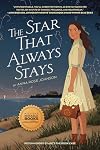
Fourteen-year-old Norvia Ann Nelson dreams of becoming a heroine who attends high school with popular friends and has many suitors. But that’s difficult to do when her father doesn’t seem to value education and then leaves the family altogether. Her now-divorced mother is scraping to get by, and Norvia’s older two brothers are already working so she finds it unlikely that her dreams will ever come true. But then her mother unexpectedly announces that she will soon be remarrying – to show more a man none of the Nelson children have met and they don’t know what he’ll be like. As the children are whisked away to an unfamiliar home across town and introduced to their new stepfamily, Norvia continues to wonder if she’ll ever live like a heroine in the stories she reads …
This book was so tediously long, despite being just about 300 pages. Norvia is the dullest of protagonists, who basically cries no matter what – actual disappointments, not getting her way (because she didn’t voice it), being shy and scared, or even when being happy! I was so sick of hearing about her tears by the end of the book. Because her father disapproved of them, Norvia doesn’t read novels until her stepfather introduces them to her and then she becomes obsessed with this idea of being a “heroine,” but she hasn’t the faintest idea what that actually means. She continues to be insipid and barely says a word to anyone at home or at school when she does get the chance to go.
She’s frankly unkind and unfeeling as she ignores genuine friends while chasing after popular girls and strings along a boy her age who’s interested in her in the hopes of catching the eye of a more handsome one. For the former, she does two-thirds or so of the way into the book realize the error of her ways, casting aside the shallow, fake friends and deepening her friendship with the true one – but she does so with the most lackluster apology or real understanding of the hurt she’s done. It’s all about her instead. I get this is not that off course for a 14-year-old girl who is still developing emotional intelligence, but it really made it hard to like her as nothing about her character was that thrilling.
In terms of the boys, she never really sees the issue. Here’s a stellar gem from this book:
“What if she did ask Aylmer to the dance? He was no Louis Behren, of course – but she liked him well enough, and Aylmer liked her too, even if it was only because he didn’t know about the divorce. Perhaps Aylmer could provide the happy ending to her storybook dance. In any case, she had to try it – she had no other alternative.”
This after being told that Aylmer “adores” her – she thinks it’s a great idea to ask him to a dance even though she actually likes someone else instead. Granted, Aylmer was kind of annoying too – he was definitely built in that ‘he must like you so that’s why he teases you’ antiquated mold – but this is not good behavior to be encouraging. Also, just for the record, at the end of the book, Norvia is still vacillating between liking the two of them – Louis because she’s actually attracted to him versus Aylmer because he likes her and it doesn’t seem that Louis does. Again, I get it – one thing mentioned in the book was that a young girl shouldn’t decide too soon to get attached to one boy for the rest of her life, but she doesn’t have to be engaged at the end of the book; she could just be firmly telling Aylmer she only wants to be his friend and/or that she’s interested in someone else so he’s not continually strung along waiting for her to like him back.
As referenced in the quote above, the divorce is a BIG deal in this book. As it’s set primarily in 1914, this makes sense. This small-ish Michigan town cannot deal with the idea of a divorced woman, let alone a divorced woman remarrying, so it’s a subject of gossip and a lot of upset to Norvia as a result of girls at her school shunning her. It’s in fact a much bigger deal than the book jacket would lead you to believe, as that focuses instead on the family hiding their indigenous Ojibwe roots on their mother’s side (and at their mother’s request). Their background doesn’t really seem to be much of an issue when it is raised. The same shallow people who didn’t like the divorce/remarriage situation don’t like it too much, but they already don’t get along with the family. I do appreciate that the story does have this diversity in it – both in ethnic heritage and family makeup – but it just wasn’t a good book.
Can I mention again how dull this book was? And how dull Norvia is? She is quiet and reserved ALL the time, even around her family. A big ‘breakthrough’ moment more than two-thirds of the way into the book is when Norvia has a conversation with her mother: “There. She had told the truth and the story in its entirety, and she had been a bold heroine in doing so.” The story in question is that she had a handkerchief from a classmate, forgot to return it to him, and wanted to do so now. It was so benign. To claim she was being “bold” is preposterous. Because she’s still holding back from her mother that she also likes the boy in question. And, again, this is her literal biological mother who is shown as nothing but supportive throughout the book.
Eventually, Norvia finds her own voice a little more – and I should really stress a little – with the help of her stepfather and to a lesser extent, her stepbrother. These two basically just quote Bible verses at her and tell her to trust Jesus, and that magically fixes everything. This, despite the fact that the Nelson family had to change religions (from Catholicism to Presbyterian, but still) after the mother’s remarriage and that former friends from both churches shun the family because of the divorce/remarriage situation. But, sure, quote a Bible verse and everything is magically fixed.
Worse yet, Norvia starts doing that toxic positivity thing of just pretending to be happy: “She plastered a smile on her face and immediately felt just a bit happier.” and “But the strangest thing of all was the fact that acting upbeat had made her feel upbeat – even before Louis arrived.” As much as I was sick of Norvia just crying over everything constantly, this is not really an improvement. She’s a teen-aged girl having a lot of complicated feelings from grief over her dead grandfather, abusive language from her father, her mother’s quick decision to upturn the family’s entire life, the cruel judgment of neighbors and classmates, and so on – before all the normal stuff of being a teen and trying to figure out what you want to do with the rest of your life. She needs to feel her emotions and learn how to regulate them, not hide them away behind a fake smile.
The way the story was presented also seemed disjointed to me. It starts a few years before the main action, showing how there’s already tension between Norvia’s parents. It also highlights the close-knitness of the family overall, especially with their grandparents. This is okay, although a little jumpy when it moves to the ‘present’ of the book and then suddenly explains how the parents are now divorced and the grandfather is deceased. However, then most of the main chapters are followed by shorter stories from earlier in Norvia’s childhood, primarily with her grandfather. These interstitials are often then referenced later in the following chapter, but honestly only a line or two of the preceding pages are relevant. It made the book feel clunky, instead of allowing Norvia to just have a flashback in the moment.
I really don’t know what this book was trying to accomplish but for me, it just led to boredom. I could see how it in theory could appeal to readers of classics like Anne of Green Gables and Little Women, especially with that similar issue of being about teens but technically geared towards a younger audience, but I read those books as a child (and re-read the former as an adult just recently), and this book is not that. The protagonist (who is most certainly not a heroine) is just too flat and dull and insipid to make the book appealing. Some of her siblings (notably Dicta) are interesting, and I felt more could have been built out of the begrudgingly forced siblingship with Vernon. It seemed like maybe the book was trying to follow too many threads and it just wasn’t coming together. Although, somehow it felt like nothing ever happened and the ending is so meh.
According to the author’s note, Norvia was not only a real person but an ancestor of the author. It sounds as though the author did a ton of research on Norvia and her times. And yet, there’s no follow-up about what finally happened. Did Norvia achieve her goals of becoming a bookkeeper? Of getting married and having children? What became of her other family members? Who knows, because there’s no real conclusion to this book, and none of the family members are famous enough to find this information on one’s own without serious effort. And I already expended all my effort finishing this book despite not liking it fairly early on – which was unfortunate because I was really hoping to enjoy it. show less
This book was so tediously long, despite being just about 300 pages. Norvia is the dullest of protagonists, who basically cries no matter what – actual disappointments, not getting her way (because she didn’t voice it), being shy and scared, or even when being happy! I was so sick of hearing about her tears by the end of the book. Because her father disapproved of them, Norvia doesn’t read novels until her stepfather introduces them to her and then she becomes obsessed with this idea of being a “heroine,” but she hasn’t the faintest idea what that actually means. She continues to be insipid and barely says a word to anyone at home or at school when she does get the chance to go.
She’s frankly unkind and unfeeling as she ignores genuine friends while chasing after popular girls and strings along a boy her age who’s interested in her in the hopes of catching the eye of a more handsome one. For the former, she does two-thirds or so of the way into the book realize the error of her ways, casting aside the shallow, fake friends and deepening her friendship with the true one – but she does so with the most lackluster apology or real understanding of the hurt she’s done. It’s all about her instead. I get this is not that off course for a 14-year-old girl who is still developing emotional intelligence, but it really made it hard to like her as nothing about her character was that thrilling.
In terms of the boys, she never really sees the issue. Here’s a stellar gem from this book:
“What if she did ask Aylmer to the dance? He was no Louis Behren, of course – but she liked him well enough, and Aylmer liked her too, even if it was only because he didn’t know about the divorce. Perhaps Aylmer could provide the happy ending to her storybook dance. In any case, she had to try it – she had no other alternative.”
This after being told that Aylmer “adores” her – she thinks it’s a great idea to ask him to a dance even though she actually likes someone else instead. Granted, Aylmer was kind of annoying too – he was definitely built in that ‘he must like you so that’s why he teases you’ antiquated mold – but this is not good behavior to be encouraging. Also, just for the record, at the end of the book, Norvia is still vacillating between liking the two of them – Louis because she’s actually attracted to him versus Aylmer because he likes her and it doesn’t seem that Louis does. Again, I get it – one thing mentioned in the book was that a young girl shouldn’t decide too soon to get attached to one boy for the rest of her life, but she doesn’t have to be engaged at the end of the book; she could just be firmly telling Aylmer she only wants to be his friend and/or that she’s interested in someone else so he’s not continually strung along waiting for her to like him back.
As referenced in the quote above, the divorce is a BIG deal in this book. As it’s set primarily in 1914, this makes sense. This small-ish Michigan town cannot deal with the idea of a divorced woman, let alone a divorced woman remarrying, so it’s a subject of gossip and a lot of upset to Norvia as a result of girls at her school shunning her. It’s in fact a much bigger deal than the book jacket would lead you to believe, as that focuses instead on the family hiding their indigenous Ojibwe roots on their mother’s side (and at their mother’s request). Their background doesn’t really seem to be much of an issue when it is raised. The same shallow people who didn’t like the divorce/remarriage situation don’t like it too much, but they already don’t get along with the family. I do appreciate that the story does have this diversity in it – both in ethnic heritage and family makeup – but it just wasn’t a good book.
Can I mention again how dull this book was? And how dull Norvia is? She is quiet and reserved ALL the time, even around her family. A big ‘breakthrough’ moment more than two-thirds of the way into the book is when Norvia has a conversation with her mother: “There. She had told the truth and the story in its entirety, and she had been a bold heroine in doing so.” The story in question is that she had a handkerchief from a classmate, forgot to return it to him, and wanted to do so now. It was so benign. To claim she was being “bold” is preposterous. Because she’s still holding back from her mother that she also likes the boy in question. And, again, this is her literal biological mother who is shown as nothing but supportive throughout the book.
Eventually, Norvia finds her own voice a little more – and I should really stress a little – with the help of her stepfather and to a lesser extent, her stepbrother. These two basically just quote Bible verses at her and tell her to trust Jesus, and that magically fixes everything. This, despite the fact that the Nelson family had to change religions (from Catholicism to Presbyterian, but still) after the mother’s remarriage and that former friends from both churches shun the family because of the divorce/remarriage situation. But, sure, quote a Bible verse and everything is magically fixed.
Worse yet, Norvia starts doing that toxic positivity thing of just pretending to be happy: “She plastered a smile on her face and immediately felt just a bit happier.” and “But the strangest thing of all was the fact that acting upbeat had made her feel upbeat – even before Louis arrived.” As much as I was sick of Norvia just crying over everything constantly, this is not really an improvement. She’s a teen-aged girl having a lot of complicated feelings from grief over her dead grandfather, abusive language from her father, her mother’s quick decision to upturn the family’s entire life, the cruel judgment of neighbors and classmates, and so on – before all the normal stuff of being a teen and trying to figure out what you want to do with the rest of your life. She needs to feel her emotions and learn how to regulate them, not hide them away behind a fake smile.
The way the story was presented also seemed disjointed to me. It starts a few years before the main action, showing how there’s already tension between Norvia’s parents. It also highlights the close-knitness of the family overall, especially with their grandparents. This is okay, although a little jumpy when it moves to the ‘present’ of the book and then suddenly explains how the parents are now divorced and the grandfather is deceased. However, then most of the main chapters are followed by shorter stories from earlier in Norvia’s childhood, primarily with her grandfather. These interstitials are often then referenced later in the following chapter, but honestly only a line or two of the preceding pages are relevant. It made the book feel clunky, instead of allowing Norvia to just have a flashback in the moment.
I really don’t know what this book was trying to accomplish but for me, it just led to boredom. I could see how it in theory could appeal to readers of classics like Anne of Green Gables and Little Women, especially with that similar issue of being about teens but technically geared towards a younger audience, but I read those books as a child (and re-read the former as an adult just recently), and this book is not that. The protagonist (who is most certainly not a heroine) is just too flat and dull and insipid to make the book appealing. Some of her siblings (notably Dicta) are interesting, and I felt more could have been built out of the begrudgingly forced siblingship with Vernon. It seemed like maybe the book was trying to follow too many threads and it just wasn’t coming together. Although, somehow it felt like nothing ever happened and the ending is so meh.
According to the author’s note, Norvia was not only a real person but an ancestor of the author. It sounds as though the author did a ton of research on Norvia and her times. And yet, there’s no follow-up about what finally happened. Did Norvia achieve her goals of becoming a bookkeeper? Of getting married and having children? What became of her other family members? Who knows, because there’s no real conclusion to this book, and none of the family members are famous enough to find this information on one’s own without serious effort. And I already expended all my effort finishing this book despite not liking it fairly early on – which was unfortunate because I was really hoping to enjoy it. show less

Rosemary has a great voice, and this is such a rich story -- between the war, intergenerational conflict, the stress of failing to find work and of the family being split up, hidden heritage -- then the long steps that start recovery. I loved that this is centered on a garden. I love how Rosemary and her grandmother interact, and that Anishinaabemowin is a place where they connect. I love how important relationships to each other are to the story. I love that Rosemary finally does lay show more everything she wants on the table, and that she has support from both her old friends and the new. I have such a bad relationship with Christianity that the couple of times people professed their devotion were so jarring they threw me right out of the narrative, but I appreciate that it wasn't a major theme or particularly frequent. show less
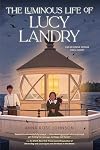
This was a delightful story! I didn’t know what to expect going into it—new-to-me author and all—but I ended up falling in love with Lucy and her new family.
To be honest, I went into this book a little worried that it would be hyper-politically correct. After all, stories containing “diverse” characters, Native American voices, etc., are the “in” thing right now, and while I love learning about different cultures, I don’t always appreciate it when the spotlight seems to be show more shone a bit overly much on specific topics. In this case, I was delighted by how the book turned out. There are hints of the Ojibwe culture throughout the story, but it always appears in normal, realistic ways—not as a loudly-tooted political statement. I was able to appreciate the story and the culture without feeling like it was preachy or rubbed in my face, and I loved that.
As far as Lucy goes…if you ever enjoyed Anne of Green Gables, Clementine, or Pippi Longstocking, you’ll likely adore Lucy. She’s thrust into several uncomfortable situations at the beginning of the story, and her coping mechanism is to come up with characters in a fantasy world in her head. These characters respond to the situation regally (or otherwise), and I got more than one chuckle out of her vivid imagination!
The large family element was a lot of fun. Coming from a large family myself, I enjoyed watching the children’s interactions together and the way Lucy tried to fit in.
The setting is also fun—as a Michigander, it was delightful to read about a lighthouse on Lake Superior, and envision the kind of climate and landscape Lucy found herself in.
Then, too, there’s the mystery. It might be a bit picture perfect, a bit too easily won, but it’s still fun—and definitely an adventure!
If you’re looking for a lighthearted, enjoyable book for your early- or middle-grade reader, I’d highly recommend you check out this book. I enjoyed this read! show less
To be honest, I went into this book a little worried that it would be hyper-politically correct. After all, stories containing “diverse” characters, Native American voices, etc., are the “in” thing right now, and while I love learning about different cultures, I don’t always appreciate it when the spotlight seems to be show more shone a bit overly much on specific topics. In this case, I was delighted by how the book turned out. There are hints of the Ojibwe culture throughout the story, but it always appears in normal, realistic ways—not as a loudly-tooted political statement. I was able to appreciate the story and the culture without feeling like it was preachy or rubbed in my face, and I loved that.
As far as Lucy goes…if you ever enjoyed Anne of Green Gables, Clementine, or Pippi Longstocking, you’ll likely adore Lucy. She’s thrust into several uncomfortable situations at the beginning of the story, and her coping mechanism is to come up with characters in a fantasy world in her head. These characters respond to the situation regally (or otherwise), and I got more than one chuckle out of her vivid imagination!
The large family element was a lot of fun. Coming from a large family myself, I enjoyed watching the children’s interactions together and the way Lucy tried to fit in.
The setting is also fun—as a Michigander, it was delightful to read about a lighthouse on Lake Superior, and envision the kind of climate and landscape Lucy found herself in.
Then, too, there’s the mystery. It might be a bit picture perfect, a bit too easily won, but it’s still fun—and definitely an adventure!
If you’re looking for a lighthearted, enjoyable book for your early- or middle-grade reader, I’d highly recommend you check out this book. I enjoyed this read! show less
Norvia Nelson desperately wants to be the heroine of her own stories, just like the adventurous and popular girls she reads about in the books she loves. However, life is about to change drastically for Norvia when her parents divorce and Norvia moves from the quaint Beaver Island to the city with her new step family. Divorced women are ostracized in 1914, but that's not all Norvia has to deal with. Her mother tells her not to let people know that she is Ojibwe, even though Norvia is proud show more of her heritage and loves the Ojibwe stories that her grandfather shared with her. Norvia is excited to start high school and her new stepfather, Mr. Ward, encourages Norvia to attend. Some of the girls that Norvia was friends with before, now shun her for her mother's divorce. Norvia makes the decision to be a peacemaker, like in her favorite story and bring people together.
The Star that Always Stays is a middle grade historical fiction coming of age story written from Norvia's unique perspective of an Ojibwe and French teen. The author drew on the stories and history of her own family for the book, I could tell there was a strong connection to the characters through the writing. Norvia's spirit leapt off the page. I could feel her internal struggles with wanting to honor her heritage and her mother telling her not to let people know. I loved Norvia's love of books and how she wanted to emulate the heroines, but needed to find her own way of going about it. The Ojibwe stories that were incorporated through flashbacks were amazing, I wish there were more. These stories helped Norvia to realize who she was and steered her in the right direction for the difficult decisions she had to make with her family and school. I liked that Norvia's step family was supportive and encouraging rather than the evil step family trope. She forged true relationships with Mr. Ward and her stepbrother Vernon and redefined her family. Norvia's sister Dicta was easily the most amusing character with her outspoken and honest remarks. The Mary's were also wonderful characters that I would have loved to learn more about. The ending is a perfect fit for Norvia and the pictures of the author's real family are a great addition.
This book was received for free in return for an honest review. show less
The Star that Always Stays is a middle grade historical fiction coming of age story written from Norvia's unique perspective of an Ojibwe and French teen. The author drew on the stories and history of her own family for the book, I could tell there was a strong connection to the characters through the writing. Norvia's spirit leapt off the page. I could feel her internal struggles with wanting to honor her heritage and her mother telling her not to let people know. I loved Norvia's love of books and how she wanted to emulate the heroines, but needed to find her own way of going about it. The Ojibwe stories that were incorporated through flashbacks were amazing, I wish there were more. These stories helped Norvia to realize who she was and steered her in the right direction for the difficult decisions she had to make with her family and school. I liked that Norvia's step family was supportive and encouraging rather than the evil step family trope. She forged true relationships with Mr. Ward and her stepbrother Vernon and redefined her family. Norvia's sister Dicta was easily the most amusing character with her outspoken and honest remarks. The Mary's were also wonderful characters that I would have loved to learn more about. The ending is a perfect fit for Norvia and the pictures of the author's real family are a great addition.
This book was received for free in return for an honest review. show less
Awards


Statistics
- Works
- 4
- Members
- 233
- Popularity
- #96,931
- Rating
- 4.1
- Reviews
- 17
- ISBNs
- 16