
Gabi Martinez
Author of In the Land of Giants: Hunting Monsters in the Hindu Kush
About the Author
Works by Gabi Martinez
Un cambio de verdad: Una vuelta al origen en tierra de pastores (Los Tres Mundos) (Spanish Edition) (2020) 12 copies, 1 review
Naturalmente urbano: Supermanzana: la revolución de la nueva ciudad verde (Referentes) (Spanish Edition) (2021) 5 copies, 1 review
Močvara 2 copies
Jartumiana 2013 1 copy
Associated Works
Tagged
Common Knowledge
- Birthdate
- 1971
- Gender
- male
- Nationality
- Spain
- Birthplace
- Barcelona, Spain
- Associated Place (for map)
- Barcelona, Spain
Members
Reviews

As the subtitle states, this is the author’s rendering of his time spent living rough on the Ebro Delta. In reading, it brought to mind another first-person narrative contemplating nature and her explorations in it, “Pilgrim at Tinker Creek” by Annie Dillard. I had a similar difficulty plowing through this book as I’d had with that one, but again, I found both to be richly rewarding when I finished.
Gabi Martinez is gifted in descriptions of land, plants, animals and the humans that show more populate the surrounding lands and how they impact the Delta and how it, in turn, impacts them. At one point I found myself feeling completely overwhelmed by the number of people whose stories he tells and could not keep track of who related to whom. But at some point it came together that this story of the delta, and really all deltas around the world and that the story is how the people will be impacted by the death of the delta.
I’m so grateful to have read it. I feel as if I have learned a lot in the reading. And as someone interested in nature writing, lessons imparted in this and many other books are so very important. Good books lead to introspection and I found myself doing a lot of deep thinking during the reading.
In a section where he writes about the sound of the sea I found this quote mind opening: “but if the water continues advancing and the earth’s surface is flooded, what will the sea sound like when there is no land, no rocks, no sand on which the waves can break?”
And another section compares the human species to the geographical feature of a delta that was another place to really sit with the thoughts drawn out of the reader.
I would recommend this book to anyone interested in nature writers (Annie Dillard, Rachel Carlson, Aldo Leopold, etc) but do not expect an easy go of it. Dive deep and let the waters of the delta wash over you and open your mind and eyes. show less
Gabi Martinez is gifted in descriptions of land, plants, animals and the humans that show more populate the surrounding lands and how they impact the Delta and how it, in turn, impacts them. At one point I found myself feeling completely overwhelmed by the number of people whose stories he tells and could not keep track of who related to whom. But at some point it came together that this story of the delta, and really all deltas around the world and that the story is how the people will be impacted by the death of the delta.
I’m so grateful to have read it. I feel as if I have learned a lot in the reading. And as someone interested in nature writing, lessons imparted in this and many other books are so very important. Good books lead to introspection and I found myself doing a lot of deep thinking during the reading.
In a section where he writes about the sound of the sea I found this quote mind opening: “but if the water continues advancing and the earth’s surface is flooded, what will the sea sound like when there is no land, no rocks, no sand on which the waves can break?”
And another section compares the human species to the geographical feature of a delta that was another place to really sit with the thoughts drawn out of the reader.
I would recommend this book to anyone interested in nature writers (Annie Dillard, Rachel Carlson, Aldo Leopold, etc) but do not expect an easy go of it. Dive deep and let the waters of the delta wash over you and open your mind and eyes. show less
 This review was written for LibraryThing Early Reviewers.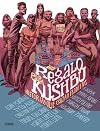
Una pareja nepalí huye de su país al no aceptar la familia de ella, de clase alta, su relación. Tras múltiples peripecias llegan a Barcelona e intentan empezar una nueva vida y formar un hogar. La joven de esta historia es la que da nombre al álbum que nos ocupa, Un regalo para Kushbu. Historias que cruzan fronteras , y constituye el nexo de unión entre el resto de personajes que aparecen en la cómic.
Esta obra ha sido coeditado por el Ayuntamiento de Barcelona y Astiberri, con la show more producción de la fundación Mescladís y los beneficios de su venta van íntegramente destinados a dicha fundación. Era inevitable aproximarse a ella con cierto recelo, esperando un trabajo por encargo lleno de buenas intenciones, pero con el riesgo de ser más funcional que creativo. Por suerte los temores se disipan tras su lectura.
Con guion de Gabi Martínez (Barcelona, 1971), Un regalo para Kushbu nos relata las peripecias de nueve refugiados en busca de oportunidades. Nueve migrantes forzados a marchar de sus respectivos países por motivos muy distintos, como el caso de Deborah, una víctima de la trata de mujeres , o Habiague, profesor de francés que tuvo que huir de su país (dado que el francés, dicen algunos, distrae del Islam). Pobreza, terrorismo talibán, maltrato, mafias, transfobia…. Nueve historias reales (algunos de los personajes aparecen bajo pseudónimo por motivos de seguridad) presentadas como relatos breves que se desgranan entrelazándose poco a poco. El fruto obtenido es acertado. Se trata de un trabajo sintético bien engranado. Hay que reconocer que la lectura deja con la sensación de necesitar saber más (cada una de las biografías daría para desarrollar un álbum propio). Pero el resultado es el deseado: crear un mosaico que transmite verdad y enfrentar al lector a las miserias de este mundo globalizado y desigual, donde los habitantes del primer mundo preferimos vivir en la inopia. Y es que quizá el mayor impacto a primera vista son los crudos motivos por los cuales estos personajes tienen que huir de su casa. Pero el segundo golpe es tomar conciencia de la capacidad para invisibilizar que tiene nuestro ojo ignorando a todos estos ciudadanos que conviven con nosotros ( y a los que nos empeñamos en no ver). Tras la supervivencia, la segunda batalla que deben afrontar al llegar una ciudad del llamado primer mundo (en este caso Barcelona) es la lucha contra la discriminación, la desigualdad y la trasparencia.
El otro aspecto destacado de Un regalo para Kushbu es la parte gráfica: Un guionista y diez dibujantes. Cada personaje ilustrado por un artista. Y la lista de ilustradores en este caso es imponente. Sagar (solvente como siempre), Miguel Gallardo, Marcos Prior,Sonia Pulido (quizá la propuesta más arriesgada, con una paleta de colores potente y llamativa) y Susanna Martín entre otros La idea de otorgar a cada personaje su marca visual, su propia “voz”, es más que interesante, aunque en este caso quizá da a la obra una falta de homogeneidad que lastra un poco el resultado final. Como en la mayoría de los casos de obras colectivas, el balance corre el riesgo de ser desigual, Pero la posibilidad de disfrutar de varios artistas (y su personal visión narrativa) constituye siempre un valor de por si.
Estamos, pues, ante un cómic social tan recomendable como necesario, con relatos reales suficientemente potentes para ejercer su función de denuncia y sensibilización. Como declaró el propio guionista en una entrevista , los protagonistas “cuentan experiencias tan íntimas que no tienen artificio” y le dieron el trabajo casi hecho.
Bienvenidas sean más colaboraciones público-privadas de este tipo. show less
Esta obra ha sido coeditado por el Ayuntamiento de Barcelona y Astiberri, con la show more producción de la fundación Mescladís y los beneficios de su venta van íntegramente destinados a dicha fundación. Era inevitable aproximarse a ella con cierto recelo, esperando un trabajo por encargo lleno de buenas intenciones, pero con el riesgo de ser más funcional que creativo. Por suerte los temores se disipan tras su lectura.
Con guion de Gabi Martínez (Barcelona, 1971), Un regalo para Kushbu nos relata las peripecias de nueve refugiados en busca de oportunidades. Nueve migrantes forzados a marchar de sus respectivos países por motivos muy distintos, como el caso de Deborah, una víctima de la trata de mujeres , o Habiague, profesor de francés que tuvo que huir de su país (dado que el francés, dicen algunos, distrae del Islam). Pobreza, terrorismo talibán, maltrato, mafias, transfobia…. Nueve historias reales (algunos de los personajes aparecen bajo pseudónimo por motivos de seguridad) presentadas como relatos breves que se desgranan entrelazándose poco a poco. El fruto obtenido es acertado. Se trata de un trabajo sintético bien engranado. Hay que reconocer que la lectura deja con la sensación de necesitar saber más (cada una de las biografías daría para desarrollar un álbum propio). Pero el resultado es el deseado: crear un mosaico que transmite verdad y enfrentar al lector a las miserias de este mundo globalizado y desigual, donde los habitantes del primer mundo preferimos vivir en la inopia. Y es que quizá el mayor impacto a primera vista son los crudos motivos por los cuales estos personajes tienen que huir de su casa. Pero el segundo golpe es tomar conciencia de la capacidad para invisibilizar que tiene nuestro ojo ignorando a todos estos ciudadanos que conviven con nosotros ( y a los que nos empeñamos en no ver). Tras la supervivencia, la segunda batalla que deben afrontar al llegar una ciudad del llamado primer mundo (en este caso Barcelona) es la lucha contra la discriminación, la desigualdad y la trasparencia.
El otro aspecto destacado de Un regalo para Kushbu es la parte gráfica: Un guionista y diez dibujantes. Cada personaje ilustrado por un artista. Y la lista de ilustradores en este caso es imponente. Sagar (solvente como siempre), Miguel Gallardo, Marcos Prior,Sonia Pulido (quizá la propuesta más arriesgada, con una paleta de colores potente y llamativa) y Susanna Martín entre otros La idea de otorgar a cada personaje su marca visual, su propia “voz”, es más que interesante, aunque en este caso quizá da a la obra una falta de homogeneidad que lastra un poco el resultado final. Como en la mayoría de los casos de obras colectivas, el balance corre el riesgo de ser desigual, Pero la posibilidad de disfrutar de varios artistas (y su personal visión narrativa) constituye siempre un valor de por si.
Estamos, pues, ante un cómic social tan recomendable como necesario, con relatos reales suficientemente potentes para ejercer su función de denuncia y sensibilización. Como declaró el propio guionista en una entrevista , los protagonistas “cuentan experiencias tan íntimas que no tienen artificio” y le dieron el trabajo casi hecho.
Bienvenidas sean más colaboraciones público-privadas de este tipo. show less
Author Gabi Martinez spent a year documenting the life on Buda, an alluvial island in the Ebro River delta in southern Spain. Following the day-to-day lives of the island inhabitants, she tells of the struggles of rice farmers and eel fishers, trying to continue a generations-old lifestyle in a rapidly changing world. We meet Mateo, whose family owns the island, struggling to balance the lives of the inhabitants with the increasingly intrusive demands of a government agency looking to create show more a profit center with eco-tourism while ignoring the disastrous effects of climate change.
The author's elegant prose paints an awe-inspiring portrait of the natural beauty of the delta, its flora and fauna and the changes brought on through the course of a year.
This heartfelt book is an important document of the inevitable destructive environmental impact that we see as a result of climate change and a lack of will to do anything substantial to slow the process. show less
The author's elegant prose paints an awe-inspiring portrait of the natural beauty of the delta, its flora and fauna and the changes brought on through the course of a year.
This heartfelt book is an important document of the inevitable destructive environmental impact that we see as a result of climate change and a lack of will to do anything substantial to slow the process. show less
This review was written for LibraryThing Early Reviewers.A wandering memoir of a year spent living in a rough cottage on Buda, a sparsely populated island at the tip of the Ebro Delta. This delta is a place where nature conservation, hunting, fishing, and rice farming meet the forces of economics and climate change. The author conveys a sense of the spare landscape, the dramatic weather, and the wildlife along with the people who occupy the area. Gradually, we learn that the book is not only reportage about the delta and its likely fate; the show more author is also grieving his father's death.
The book is organized by elements of the delta landscape: Fresh water, salt water, wind, land, light, and finally voice, this last focused on larger forces of climate change, authority over and ownership of the land that will eventually bring an end to the island of Buda. The structure allows Martínez to write about the tangible and intangible elements of the place. The acceptance that a place will end, as do the lives of creatures and people, brings the book to close.
The book gives a lot of space to details about the people who work on the island growing rice and maintaining facilities for hunters. They seem quite absorbed in their petty differences and telenovela-level dramas involving an exceedingly ill-tempered supervisor and are little affected by the landscape-level dramas of Buda. Mateo, the part owner and manager of the island, is the individual who is most motivated to preserve Buda. He lobbies the government for policies and support for continuing his traditional operation and restricting outsiders from accessing and using the island. Curiously, he is rarely there, perhaps distracted by his own personal dilemmas related to wives, ex-wives, and children. For me, too many pages were devoted to these details.
The book left me pondering the question of whether Buda, as a physical place, has value. How a place should be valued (for its economic production, for its wildlife habitat, for its beauty?) and why we choose to value it in part determine whether we will preserve it and for who/what purpose is a throughline. It seems that the anglers and hunters value the place, although its bounty of ducks and eels has been greatly reduced. Rice farming provides an economic return; however, the margins are increasingly slim given the changing climate and competitive global market. For the most part, the people who work the land go about their labors seemingly unmoved by the place. Perhaps, like Mateo, the value of such places lies in our memories and imagination. Can a place live on in our minds as do our lost loved ones? Is that sufficient?
As we face a future in which more and more places will be irreparably lost or altered by climate change, it may be that the appropriate response is to accept that they will die, and we are advised to meet those losses with appreciation for what was and acceptance for what is.
At times, the writing was a bit cloudy and occasionally there seemed to be missing words (typos?). I'm not sure if the issue is the original text, the translation, or an editorial miss. The includes a map of the delta which would be extremely useful, but it is poorly designed with labels so small as to be illegible. If this is re-printed, the publisher owes the author and readers a better map presentation. Still, this is a worthwhile read for those interested in learning about the wild Mediterranean coast of Spain or a ground zero account of a place battered by forces global and local. show less
The book is organized by elements of the delta landscape: Fresh water, salt water, wind, land, light, and finally voice, this last focused on larger forces of climate change, authority over and ownership of the land that will eventually bring an end to the island of Buda. The structure allows Martínez to write about the tangible and intangible elements of the place. The acceptance that a place will end, as do the lives of creatures and people, brings the book to close.
The book gives a lot of space to details about the people who work on the island growing rice and maintaining facilities for hunters. They seem quite absorbed in their petty differences and telenovela-level dramas involving an exceedingly ill-tempered supervisor and are little affected by the landscape-level dramas of Buda. Mateo, the part owner and manager of the island, is the individual who is most motivated to preserve Buda. He lobbies the government for policies and support for continuing his traditional operation and restricting outsiders from accessing and using the island. Curiously, he is rarely there, perhaps distracted by his own personal dilemmas related to wives, ex-wives, and children. For me, too many pages were devoted to these details.
The book left me pondering the question of whether Buda, as a physical place, has value. How a place should be valued (for its economic production, for its wildlife habitat, for its beauty?) and why we choose to value it in part determine whether we will preserve it and for who/what purpose is a throughline. It seems that the anglers and hunters value the place, although its bounty of ducks and eels has been greatly reduced. Rice farming provides an economic return; however, the margins are increasingly slim given the changing climate and competitive global market. For the most part, the people who work the land go about their labors seemingly unmoved by the place. Perhaps, like Mateo, the value of such places lies in our memories and imagination. Can a place live on in our minds as do our lost loved ones? Is that sufficient?
As we face a future in which more and more places will be irreparably lost or altered by climate change, it may be that the appropriate response is to accept that they will die, and we are advised to meet those losses with appreciation for what was and acceptance for what is.
At times, the writing was a bit cloudy and occasionally there seemed to be missing words (typos?). I'm not sure if the issue is the original text, the translation, or an editorial miss. The includes a map of the delta which would be extremely useful, but it is poorly designed with labels so small as to be illegible. If this is re-printed, the publisher owes the author and readers a better map presentation. Still, this is a worthwhile read for those interested in learning about the wild Mediterranean coast of Spain or a ground zero account of a place battered by forces global and local. show less
This review was written for LibraryThing Early Reviewers.Awards


You May Also Like
Associated Authors
Statistics
- Works
- 29
- Also by
- 1
- Members
- 140
- Popularity
- #146,472
- Rating
- 3.6
- Reviews
- 21
- ISBNs
- 36
- Languages
- 4
