
Bryant Terry
Author of Vegan Soul Kitchen: Fresh, Healthy, and Creative African-American Cuisine
About the Author
Disambiguation Notice:
Bryant Terry also co-authored Grub: Ideas for an Urban Organic Kitchen with Anna Lappé.
Image credit: Bryant Terry
Works by Bryant Terry
Vegan Soul Kitchen: Fresh, Healthy, and Creative African-American Cuisine (2009) 357 copies, 10 reviews
Afro-Vegan: Farm-Fresh African, Caribbean, and Southern Flavors Remixed [A Cookbook] (2014) 276 copies, 3 reviews
Black food : stories, art & recipes from across the African diaspora (2021) — Editor — 193 copies, 2 reviews
The Inspired Vegan: Seasonal Ingredients, Creative Recipes, Mouthwatering Menus (2012) 109 copies, 1 review
Associated Works
Feed the Resistance: Recipes and Ideas for Getting Involved (2017) — Contributor — 124 copies, 10 reviews
Spicebox Kitchen: Eat Well and Be Healthy with Globally Inspired, Vegetable-Forward Recipes (2021) — Foreword, some editions — 28 copies, 2 reviews
Tagged
Common Knowledge
- Canonical name
- Terry, Bryant
- Birthdate
- 1974
- Gender
- male
- Education
- Xavier University (BA, English)
New York University (MA, History)
Natural Gourmet Institute for Health and Culinary Arts - Occupations
- cookbook author
vegan chef
food justice activist - Awards and honors
- James Beard Foundation Leadership Award (2015)
NAACP Image Award - Short biography
- website bio
- Nationality
- USA
- Birthplace
- Memphis, Tennessee, USA
- Places of residence
- Oakland, California, USA
- Map Location
- USA
- Disambiguation notice
- Bryant Terry also co-authored Grub: Ideas for an Urban Organic Kitchen with Anna Lappé.
Members
Reviews

If you really don't like cookbooks that are mostly not recipes, please buy a different book than this one. (I appreciated the content of the essays and poetry because it adds to my understanding of Black and African diaspora food culture and the recipes in the book.) If you get your panties in a wad over LGBTQ+ content, move along as well. If the word vegan gets your dander up, pass this one by. (Though there is a mix of vegan, vegetarian, pescatarian, and a few carnivorous recipes.) Of show more course, if "woke" gets you worked up, just hit yourself in the head extremely firmly with the rock you just crawled out from under.
The recipes and essays and poems and art in this book were contributed by a whole host of people. Some of it came from other books, including cookbooks, and some of it is completely new. Some of the recipes are rather chef-y/require 5 recipes to make the dish and some are simple and I think that they would be good for beginner cooks. There are a lot of Afro-Caribbean ingredients used by the diaspora like plantains, cassava, millet, callaloo, ackee, okra, collard greens, various legumes, coconut, saltfish, sweet potatoes, goat meat & goat milk, etc. These ingredients are very easy for me to find in Florida, but you might have difficulty finding them in other parts of the country.
This was a good read and I'd like to cook some recipes from this book in the future when I have some time. show less
The recipes and essays and poems and art in this book were contributed by a whole host of people. Some of it came from other books, including cookbooks, and some of it is completely new. Some of the recipes are rather chef-y/require 5 recipes to make the dish and some are simple and I think that they would be good for beginner cooks. There are a lot of Afro-Caribbean ingredients used by the diaspora like plantains, cassava, millet, callaloo, ackee, okra, collard greens, various legumes, coconut, saltfish, sweet potatoes, goat meat & goat milk, etc. These ingredients are very easy for me to find in Florida, but you might have difficulty finding them in other parts of the country.
This was a good read and I'd like to cook some recipes from this book in the future when I have some time. show less

About seven years ago, I chanced upon my first Bryant Terry book at my public library. I'd just moved and was exploring my new community while also doing some nesting in my new home. So visiting the library and trying new recipes were both on my agenda. His The Inspired Vegan opened up a new world of cooking for me—and when Afro-Vegan was issued a few months later, I immediately bought a copy.
Bryant Terry writes his cookbooks like a generous host, inviting us into his home, telling us show more stories, offering us a blend of familiar and new flavors—all accompanied by music. Seriously, check out the play lists that he includes in his cookbooks. They're a great source of energy and inspiration, whether in the kitchen or elsewhere.
Black Food has all the characteristics of a Bryant Terry cookbook: good food, stories, playlists and Black history. In Black Food he's not just inviting us into his home; he's introducing us to Black activists and cooks at what I can only call the most culturally rich potluck I've ever attended. Since not all those he profiles are vegan, this book includes recipes for dishes with meat and dairy, along with the delicious vegan food Terry specializes in.
This is a go-buy-it-now-and-maybe-stop-at-the-grocery-on-the-way-home cookbook. You won't want to wait to get cooking and to start meeting the people Terry's going to introduce you to.
I received a free electronic review copy of this title from the publisher via NetGally. I also have already published a paper copy of this book now that it's out. It's that good. show less
Bryant Terry writes his cookbooks like a generous host, inviting us into his home, telling us show more stories, offering us a blend of familiar and new flavors—all accompanied by music. Seriously, check out the play lists that he includes in his cookbooks. They're a great source of energy and inspiration, whether in the kitchen or elsewhere.
Black Food has all the characteristics of a Bryant Terry cookbook: good food, stories, playlists and Black history. In Black Food he's not just inviting us into his home; he's introducing us to Black activists and cooks at what I can only call the most culturally rich potluck I've ever attended. Since not all those he profiles are vegan, this book includes recipes for dishes with meat and dairy, along with the delicious vegan food Terry specializes in.
This is a go-buy-it-now-and-maybe-stop-at-the-grocery-on-the-way-home cookbook. You won't want to wait to get cooking and to start meeting the people Terry's going to introduce you to.
I received a free electronic review copy of this title from the publisher via NetGally. I also have already published a paper copy of this book now that it's out. It's that good. show less
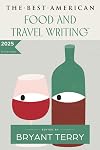
I received an advance copy via NetGalley.
I love reading these collections each year; the content is always diverse and educational. The emphasis this year was on food more than travel, the queer representation strong. Some of my favorite pieces included ones on a shift in food preferences during gender transition, medieval benguinages where women lived, on grief and cabbage (which I had previously read), and a San Francisco crab fisher influencer.
I love reading these collections each year; the content is always diverse and educational. The emphasis this year was on food more than travel, the queer representation strong. Some of my favorite pieces included ones on a shift in food preferences during gender transition, medieval benguinages where women lived, on grief and cabbage (which I had previously read), and a San Francisco crab fisher influencer.
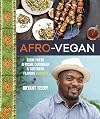
Beautifully bound, full of straightforward recipes bursting with flavor, containing all kinds of actual vegetables in delicious preparations rather than soy-gluten-fake-meat-protein, augmented with recipe text that contextualizes the dish and its inspiration -- this is a great vegetable cookbook. The recipes are astoundingly delicious and professional, and though the instructions do err on the side of "pretty", it is straightforward to turn the dial closer to "easy" if you wish. As a result, show more the recipes are not necessarily complicated, though they do assume a stocked kitchen with a depth of spices, a spice grinder, and access to a variety of markets or gardens to source ingredients that are less common in major grocery stores. This is a cookbook for advanced cooks who are looking for interesting vegetable preparations, or for folks who enjoy reading beautiful cookbooks.
---
Lemongrass boiled peanuts (snack): Having never cooked with fresh lemongrass nor eaten Southern-style boiled peanuts, I was curious and not at all sure what to expect. It turns out that boiled peanuts are deliberately very salty, with a soft potato-like texture. I quite liked the lemongrass flavor and the way some of the whole peanuts were left with a brine inside that "popped" when eaten, and I suspect people who like boiled peanuts might appreciate this variant. I think I'll keep this recipe in mind for themed parties, but it was on the whole much too salty for me to make again myself.
Blackened cauliflower and tomato sauce (main): The blackened seasoning is delectable, and the tomato sauce is quite easy and gives just the right balance to the cauliflower. Some variant of this is going into my regular rotation -- though maybe as blackened sweet potato rounds, tempeh, or roasted cauliflower florets more frequently than the recipe's suggestion of finicky blanched-baked-seared cauliflower steaks.
Spinach and hominy in tomato garlic broth (soup starter): The tomato garlic broth was fantastic, despite my initial bafflement at starting with stock to make stock. The hominy and spinach were a nice stir-in for the brothy star, and the bit of parsley elevated the whole dish. (But deep frying hominy for a garnish? Total failure -- I got soggy soft oily hominy and massive explosions of oil -- though to be fair, I don't know how to deep fry and I substituted canned hominy, either of which could have led to my exciting cleaning experience.)
Spinach-peanut sauce (side): The origin story captured me, but this variant on Cameroon's national dish ndolé didn't work for me. Mine turned out to be just vegan creamed spinach, using peanut cream instead of the traditional vegan milk substitute of cashew cream. I don't particularly like creamed spinach (but someone who does might appreciate the variant), and I was looking for peanut flavor that my peanuts didn't deliver.
Amy Ashwood (cocktail) and mango nectar (drink): A delicious mango-lime-ginger-cayenne cocktail dedicated to Marcus Garvey's first wife. The mango nectar would have been easier (and likely more delicious) if made from frozen mango chunks or one of those thick imported European juices, but the combination of mango, ginger, lime and a bit of cayenne garnish was indeed quite tasty. The mango nectar with a bit of ginger and lime seltzer was quite refreshing as well. show less
---
Lemongrass boiled peanuts (snack): Having never cooked with fresh lemongrass nor eaten Southern-style boiled peanuts, I was curious and not at all sure what to expect. It turns out that boiled peanuts are deliberately very salty, with a soft potato-like texture. I quite liked the lemongrass flavor and the way some of the whole peanuts were left with a brine inside that "popped" when eaten, and I suspect people who like boiled peanuts might appreciate this variant. I think I'll keep this recipe in mind for themed parties, but it was on the whole much too salty for me to make again myself.
Blackened cauliflower and tomato sauce (main): The blackened seasoning is delectable, and the tomato sauce is quite easy and gives just the right balance to the cauliflower. Some variant of this is going into my regular rotation -- though maybe as blackened sweet potato rounds, tempeh, or roasted cauliflower florets more frequently than the recipe's suggestion of finicky blanched-baked-seared cauliflower steaks.
Spinach and hominy in tomato garlic broth (soup starter): The tomato garlic broth was fantastic, despite my initial bafflement at starting with stock to make stock. The hominy and spinach were a nice stir-in for the brothy star, and the bit of parsley elevated the whole dish. (But deep frying hominy for a garnish? Total failure -- I got soggy soft oily hominy and massive explosions of oil -- though to be fair, I don't know how to deep fry and I substituted canned hominy, either of which could have led to my exciting cleaning experience.)
Spinach-peanut sauce (side): The origin story captured me, but this variant on Cameroon's national dish ndolé didn't work for me. Mine turned out to be just vegan creamed spinach, using peanut cream instead of the traditional vegan milk substitute of cashew cream. I don't particularly like creamed spinach (but someone who does might appreciate the variant), and I was looking for peanut flavor that my peanuts didn't deliver.
Amy Ashwood (cocktail) and mango nectar (drink): A delicious mango-lime-ginger-cayenne cocktail dedicated to Marcus Garvey's first wife. The mango nectar would have been easier (and likely more delicious) if made from frozen mango chunks or one of those thick imported European juices, but the combination of mango, ginger, lime and a bit of cayenne garnish was indeed quite tasty. The mango nectar with a bit of ginger and lime seltzer was quite refreshing as well. show less
Lists
Awards


You May Also Like


Associated Authors
Statistics
- Works
- 7
- Also by
- 2
- Members
- 1,319
- Popularity
- #19,487
- Rating
- 4.0
- Reviews
- 25
- ISBNs
- 16
- Languages
- 1