
Katy Regan
Author of Little Big Love
Works by Katy Regan
Story of You 6 copies
Tagged
Common Knowledge
- Gender
- female
Members
Reviews
In a Nutshell: A slow-paced literary fiction that explores sibling relationships with all its ups and downs. Somewhat predictable, but it still manages to tug at your heartstrings.
Story:
Where the book worked for me:
✔ I loved the experience of reading a book that is dedicated to a sibling relationship and focusses only on it without forcing in a mandatory romantic side-track.
✔ The main characters and a few of the secondary ones are quite well-sketched. Stephen is the best carved. While you might feel a certain prejudice against him at first, he grows on you as the story progresses. Emily takes the exactly opposite character path. To see them both in tandem, working through their issues is a nice experience.
✔ I loved how birds and bird-watching were integrated into the story, much beyond theirs being Stephen’s passion. Even the flashback episodes were named after birds such as swift and geese and every flashback had something to do with a bird-related memory.
✔ The ‘home’ in the title can be interpreted in so many ways. Stephen is looking for a home. Emily is trying to complete her home with her long-lost brother. Their parents have chosen their own homes over their families. The birds in the story are also either looking for homes or finding a way home. It’s been ages since I have seen a title that is so perfect for the plot, both literally and metaphorically.
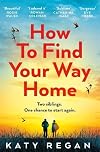
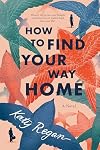
✔ The cover of my UK edition copy is gorgeous and it does perfect justice to the book. I love this cover so much better than that of the US edition.
Where the book could have worked better for me:
⚠ Some parts of the plot seemed to work too conveniently. The ending especially seemed a bit rushed, as if it was much in a hurry to tie everything together neatly.
⚠ Some things in the past, especially some decisions related to the secondary characters, are left unexplained. I understand that this would have shifted focus from the siblings to the other family members, but at least a sentence or two would have provided some clarity on the rationale for their actions.
⚠ The middle part of the book gets a bit dragged and repetitive. It is also quite slow at times. If you are in the right mood for literary fiction, this unhurried pace won’t affect you much.
⚠ I would have appreciated it if both the character voices were either in first person or in third person. By writing Emily in first person and Stephen in a distant third person, it felt as if we were forced to be closer to Emily.
All in all, this is an emotional and a heartwarming read. If you read it when you are in the right mental space, it will provide you a touching and uplifting experience. Definitely recommended, but to be picked up on the right mood day.
4 sentimental stars.
My thanks to Pan Macmillan, Mantle, and NetGalley for the ARC of “How To Find Your Way Home”. This review is voluntary and contains my honest opinion about the book.
Trigger warning: One horrifying scene of animal (bird) cruelty.
***********************
Join me on the Facebook group, Readers Forever!, for more reviews, book-related discussions and fun. show less
Story:
When Emily was born in 1987, her four year old brother Stephen was probably the happiest. Holding her in his arms, he vows to keep her safe forever.show more
Thirty years have gone by and Stephen and Emily are no longer in touch after a traumatic family incident. Stephen is homeless, he wanders the streets of London
with his beloved binoculars around his neck, pursuing his passion for birds and surviving by sketching and selling bird drawings. Emily works with the local council. When circumstances bring them together again, will it be easy to go back to where they were all those decades ago? Can their relationship survive the secrets and the heartbreaks of the past and even the present? Or is the chasm too wide to jump over?
The story is mainly narrated in the contemporary timeline from the 1st person perspective of Emily and 3rd person perspective of Stephen. There are also some 3rd person flashbacks about their younger years.
Where the book worked for me:
✔ I loved the experience of reading a book that is dedicated to a sibling relationship and focusses only on it without forcing in a mandatory romantic side-track.
✔ The main characters and a few of the secondary ones are quite well-sketched. Stephen is the best carved. While you might feel a certain prejudice against him at first, he grows on you as the story progresses. Emily takes the exactly opposite character path. To see them both in tandem, working through their issues is a nice experience.
✔ I loved how birds and bird-watching were integrated into the story, much beyond theirs being Stephen’s passion. Even the flashback episodes were named after birds such as swift and geese and every flashback had something to do with a bird-related memory.
✔ The ‘home’ in the title can be interpreted in so many ways. Stephen is looking for a home. Emily is trying to complete her home with her long-lost brother. Their parents have chosen their own homes over their families. The birds in the story are also either looking for homes or finding a way home. It’s been ages since I have seen a title that is so perfect for the plot, both literally and metaphorically.
✔ The cover of my UK edition copy is gorgeous and it does perfect justice to the book. I love this cover so much better than that of the US edition.
Where the book could have worked better for me:
⚠ Some parts of the plot seemed to work too conveniently. The ending especially seemed a bit rushed, as if it was much in a hurry to tie everything together neatly.
⚠ Some things in the past, especially some decisions related to the secondary characters, are left unexplained. I understand that this would have shifted focus from the siblings to the other family members, but at least a sentence or two would have provided some clarity on the rationale for their actions.
⚠ The middle part of the book gets a bit dragged and repetitive. It is also quite slow at times. If you are in the right mood for literary fiction, this unhurried pace won’t affect you much.
⚠ I would have appreciated it if both the character voices were either in first person or in third person. By writing Emily in first person and Stephen in a distant third person, it felt as if we were forced to be closer to Emily.
All in all, this is an emotional and a heartwarming read. If you read it when you are in the right mental space, it will provide you a touching and uplifting experience. Definitely recommended, but to be picked up on the right mood day.
4 sentimental stars.
My thanks to Pan Macmillan, Mantle, and NetGalley for the ARC of “How To Find Your Way Home”. This review is voluntary and contains my honest opinion about the book.
Trigger warning: One horrifying scene of animal (bird) cruelty.
***********************
Join me on the Facebook group, Readers Forever!, for more reviews, book-related discussions and fun. show less
Oh my goodness, Little Big Man is the most wonderful book. It made me smile and it made me cry and it made me want to hug Zac. He's the 10 year old boy who's looking for his dad, the one that left before he was even born...didn't he? The truth is there's an awful lot more to it than that. His mum, Juliet, knows a lot more about his dad and he's determined to get more facts so that he can try and find him.
Along with his feisty, tiny friend, Teagan, he sets out on the FDM (Find Dad Mission). show more These two kids were just the most fantastic creations. They balanced each other out perfectly and I actually felt proud of them, even though they're not real and I'm only the reader. This is a book that got to the very heart of me and in fact, got hold of my heart and squeezed it tightly.
What I really liked about Zac and Teagan was that their voices were authentic. They didn't sound too contrived, too childlike, but at the same time it was clear they were children and had a child's way of looking at things.
I absolutely loved Juliet too. She had issues, but she recognised them and started to deal with them. She never stopped loving Liam, Zac's dad, and as the book progresses we are drip-fed details about what actually led to Liam leaving.
This is a book that deals with grief, love, guilt, weight issues, bullying - these are some meaty topics but Regan approaches them with understanding and care.
The prose is simply beautiful. Zac has been sent home with a letter from school stating that he is over the weight he should be. Juliet reads the letter and this is what she thinks:
"You want to know what hurts the most about getting that letter? The feeling that something beautiful and sacred has been soiled. Because to me, Zac has always been perfect - the only thing in my life that is - yet here's this letter in black and white telling me that he isn't; that the only thing that I'm proud of in my life isn't even good enough."
I marked that passage just because it really moved me, but I could have quoted and quoted so many beautiful passages from this book. It's a stunner of a read. It broke my heart and put it back together again many times and there was one scene in particular, close to the end, that saw me in tears. It's an absolute beauty! show less
Along with his feisty, tiny friend, Teagan, he sets out on the FDM (Find Dad Mission). show more These two kids were just the most fantastic creations. They balanced each other out perfectly and I actually felt proud of them, even though they're not real and I'm only the reader. This is a book that got to the very heart of me and in fact, got hold of my heart and squeezed it tightly.
What I really liked about Zac and Teagan was that their voices were authentic. They didn't sound too contrived, too childlike, but at the same time it was clear they were children and had a child's way of looking at things.
I absolutely loved Juliet too. She had issues, but she recognised them and started to deal with them. She never stopped loving Liam, Zac's dad, and as the book progresses we are drip-fed details about what actually led to Liam leaving.
This is a book that deals with grief, love, guilt, weight issues, bullying - these are some meaty topics but Regan approaches them with understanding and care.
The prose is simply beautiful. Zac has been sent home with a letter from school stating that he is over the weight he should be. Juliet reads the letter and this is what she thinks:
"You want to know what hurts the most about getting that letter? The feeling that something beautiful and sacred has been soiled. Because to me, Zac has always been perfect - the only thing in my life that is - yet here's this letter in black and white telling me that he isn't; that the only thing that I'm proud of in my life isn't even good enough."
I marked that passage just because it really moved me, but I could have quoted and quoted so many beautiful passages from this book. It's a stunner of a read. It broke my heart and put it back together again many times and there was one scene in particular, close to the end, that saw me in tears. It's an absolute beauty! show less
This is a lovely story that begins at the beginning of 2015 in Grimsby, a fishing community on the English coast. Ten-year-old Zac, one of the narrators, explains that he has written a letter to his dad Liam to invite Liam to his eleventh birthday party. In the letter he confesses his anger that his dad left and he never knew him, “So I am giving you the opportunity to come to my party when I’m eleven.”
Unfortunately, Zac doesn’t know where to mail the letter; his dad “did a show more runner” when he was born, and neither his mom nor his Nan and Grandad want to talk about him.
Zac and his BFF Teagan O’Brien, also living with a single mom, and like him, living on the Harlequin Estate (public housing), are focused on imagining their missing dads. They even have a secret game rating local men on how good a dad the two think each man might be.
Zac is a smart and warm-hearted kid who shares, in his narration, what he has learned, such as this insight:
“[Other kids] don’t like anyone who stands out, basically. I don’t think any of these things matter - it’s the person inside that counts. But not everyone thinks like that, do they? That’s just not real life. . . . .You can’t see the truth, just by looking on the surface. That’s something else I’d worked out.”
These thoughts come to Zac often, since he is teased mercilessly because of his weight. Teagan is the only one he isn’t embarrassed around: “She’s the only person my age who knows I want to be a chef like my Uncle Jamie too. She never looks at me funny.”
Jamie was Zac’s mom’s brother; he died at the age of 18 after a fall in which he hit his head. Zac’s Nan has never recovered from the loss of Jamie. She still, after ten years, goes every day but Saturday to Jamie’s grave. Zac stays at Nan and Grandad’s after school on Tuesdays and Wednesdays because his mum has to work, so he too has gotten caught up in the Jamie cult. Sometimes Zac brings a recipe he has made up with him to Uncle Jamie’s grave “so he can read it from heaven.” He likes that his family says he takes after Jamie since Jamie is such a hero to them.
In addition to Nan’s enduring grief over the loss of Jamie, she also harbors enduring anger over Liam. Zac says: “Nan doesn’t like my dad because he abandoned us. She says he’s a waste of space. But I think he can’t have been, not if my mum loved him so much, because she’s got good taste, my mum, she knows what a good person is.”
Thus, Zac starts the secret Find Dad Mission. Teagan agrees to help him and becomes his Official Deputy.
Meanwhile, Juliet, Zac’s mum and the second narrator, has been called to the school to talk about Zac’s weight. They tell her Zac has been the victim of bullying because of it, so it would help if he could lose weight. She even got a letter from the North East Lincolnshire Health Authority warning that Zac is too “obese.”
At first Juliet reacts in her habitual way of stuffing away the pain and anxiety with food. Even worse, when Juliet feels helpless she shoplifts. “I don’t even know what I’ve taken… “ It makes her feel as if “I’ve got one up, not on Mr. Singh, the shop owner - I feel eternally guilty about Mr. Singh - but on the universe. Because otherwise I feel like it will swallow me whole.”
But when Zac asks more and more questions about his dad, and indicates how upset he is over the fact that Liam left, Juliet decides she owes it to Zac to help him get in shape so he will be happier, and starts her own mission to that end. She enlists the help of a former boyfriend, Jason, who is a fitness trainer.
The third narrator is Mick, Juliet’s dad. He is a former fisherman and a former alcoholic, and it is his musings that gradually fill in the reader on what happened to Jamie and Liam.
Discussion: The family in this book is very dysfunctional, but not in a way we can’t understand. They are so wrapped up in their own lies, regrets, anger, and fear, they risk damaging the best thing in their lives, which is the endearing and earnest Zac. The author manages to create enough empathy for the characters of Juliet, Zac, and Teagan that you want to stick with the story even if you feel great enmity for and disgust over Juliet’s parents.
Evaluation: Two topics I tend to avoid are bullying and dysfunctional families. But this book has so much heart and charm that I was very glad I read it. show less
Unfortunately, Zac doesn’t know where to mail the letter; his dad “did a show more runner” when he was born, and neither his mom nor his Nan and Grandad want to talk about him.
Zac and his BFF Teagan O’Brien, also living with a single mom, and like him, living on the Harlequin Estate (public housing), are focused on imagining their missing dads. They even have a secret game rating local men on how good a dad the two think each man might be.
Zac is a smart and warm-hearted kid who shares, in his narration, what he has learned, such as this insight:
“[Other kids] don’t like anyone who stands out, basically. I don’t think any of these things matter - it’s the person inside that counts. But not everyone thinks like that, do they? That’s just not real life. . . . .You can’t see the truth, just by looking on the surface. That’s something else I’d worked out.”
These thoughts come to Zac often, since he is teased mercilessly because of his weight. Teagan is the only one he isn’t embarrassed around: “She’s the only person my age who knows I want to be a chef like my Uncle Jamie too. She never looks at me funny.”
Jamie was Zac’s mom’s brother; he died at the age of 18 after a fall in which he hit his head. Zac’s Nan has never recovered from the loss of Jamie. She still, after ten years, goes every day but Saturday to Jamie’s grave. Zac stays at Nan and Grandad’s after school on Tuesdays and Wednesdays because his mum has to work, so he too has gotten caught up in the Jamie cult. Sometimes Zac brings a recipe he has made up with him to Uncle Jamie’s grave “so he can read it from heaven.” He likes that his family says he takes after Jamie since Jamie is such a hero to them.
In addition to Nan’s enduring grief over the loss of Jamie, she also harbors enduring anger over Liam. Zac says: “Nan doesn’t like my dad because he abandoned us. She says he’s a waste of space. But I think he can’t have been, not if my mum loved him so much, because she’s got good taste, my mum, she knows what a good person is.”
Thus, Zac starts the secret Find Dad Mission. Teagan agrees to help him and becomes his Official Deputy.
Meanwhile, Juliet, Zac’s mum and the second narrator, has been called to the school to talk about Zac’s weight. They tell her Zac has been the victim of bullying because of it, so it would help if he could lose weight. She even got a letter from the North East Lincolnshire Health Authority warning that Zac is too “obese.”
At first Juliet reacts in her habitual way of stuffing away the pain and anxiety with food. Even worse, when Juliet feels helpless she shoplifts. “I don’t even know what I’ve taken… “ It makes her feel as if “I’ve got one up, not on Mr. Singh, the shop owner - I feel eternally guilty about Mr. Singh - but on the universe. Because otherwise I feel like it will swallow me whole.”
But when Zac asks more and more questions about his dad, and indicates how upset he is over the fact that Liam left, Juliet decides she owes it to Zac to help him get in shape so he will be happier, and starts her own mission to that end. She enlists the help of a former boyfriend, Jason, who is a fitness trainer.
The third narrator is Mick, Juliet’s dad. He is a former fisherman and a former alcoholic, and it is his musings that gradually fill in the reader on what happened to Jamie and Liam.
Discussion: The family in this book is very dysfunctional, but not in a way we can’t understand. They are so wrapped up in their own lies, regrets, anger, and fear, they risk damaging the best thing in their lives, which is the endearing and earnest Zac. The author manages to create enough empathy for the characters of Juliet, Zac, and Teagan that you want to stick with the story even if you feel great enmity for and disgust over Juliet’s parents.
Evaluation: Two topics I tend to avoid are bullying and dysfunctional families. But this book has so much heart and charm that I was very glad I read it. show less
How to Find Your Way Home, author Katy Regan's sixth novel, is a beautifully crafted and deeply moving examination of a family torn apart by betrayals, lies, and alliances, and the impact they have upon the individual members' lives.
In a third-person narrative, Regan details events beginning in 1987 when newborn Emily Adele Nelson was introduced to her older brother, Stephen. Those chapters alternate with a first-person account from Emily, commencing in March 2018, as well as another show more third-person narrative focused on Stephen that correlates with what Emily is experiencing. The siblings grew up exploring the English marshes and the birds that inhabited them. Stephen was a typical energetic boy, but also sensitive and thoughtful. And totally enamored with all kinds of birds. Tagging after and wanting to emulate him, Emily shared his devotion and, with their father, birdwatching and studying about birds were integral to their lives.
But Regan establishes at the outset that Emily, living in London, is preparing to celebrate her thirty-first birthday, a day that will bring her "another year further from the day in '99 Stephen was taken from me." She searches the internet in vain for him or a mention of him, a clue to his whereabouts. She is in the latest in a long string of short-lived relationships and, by all outward appearances, seems to be a happy woman with friends and a stable career. But she reveals that she "can't do life, you see, everything feels wrong; I can't make plans or commit to anything, I can't love or be loved. Not while there's this piece of me missing, this giant hole in my heart."
Stephen has spent the past fifteen years living on and off the streets, his latest homeless stint having spanned six weeks. Now thirty-five years old, he has served time in prison and battled substance abuse, but is currently sober. He has learned how to navigate an unwelcoming world and survive harsh conditions, always taking solace from the birds he still loves. He sells a few sketches of them to earn money. Two things have kept him alive: hope and his beloved birds. "I had my birds. They've saved me," Stephen says. He has been estranged from their mother for a long time, and her life took an unhappy turn at some point. She has been caring for their profoundly disabled stepfather, Mitch, for years, even though Emily has consistently urged her to place Mitch in a care facility. Emily dares not mention Stephen to their mother, although Regan does not initially reveal what caused the rift between them. Their father has remarried and is preoccupied with his stepchildren, his relationships with both Emily and Stephen strained.
Stephen arrives in Emily's head each morning before she leaves for work, her thoughts "laced with anxiety: Where was he today? How was he? What was he doing right now? Occasionally I'd just be treated to a memory, a lovely one," often associated with excursions to the marshes to see their cherished birds. Emily works as a housing officer at a social services agency tasked with placing suitable applicants in public housing accommodations. Of course, there is a housing shortage -- 1.15 million names are on the waiting list -- and stringent requirements that too many applicants cannot meet. She notes that "life begins with a roof over your hear, doesn't it? Without that, nothing can take off." Ironically, she has a lovely apartment filled with things she loves, yet "it doesn't feel like I live here. Sometimes, when I open the front door, I feel like a visitor." Every day, she hopes that Stephen, her homeless brother, will be among the countless people who come to the agency seeking assistance.
And then one day, she becomes aware of a familiar voice. It jolts her back to a day when she was about ten years old and Stephen was fourteen or fifteen. In her memory, Mitch is "bellowing" at Stephen as Emily tries to show their mother a shoe box inside of which is a tiny injured bird. Stephen is trying to explain that he wanted to save the bird, repeating, "You don't understand . . ." exactly as he is currently expressing his frustration at not being eligible for housing to Emily's colleague in the next room. Emily realizes that she is not dreaming. She is really hearing her brother's voice for the first time in years. But he leaves the agency before Emily can get to him. At least she knows he is alive and begins searching the area for him.
Regan instantly draws readers into the psyches of Emily, Stephen, and their parents, establishing their fraught relationships with each other and current circumstances. Cleverly, she does not reveal at the outset what caused the family to fracture or how a sweet young boy like Stephen has become a homeless thirty-five-year-old man with a criminal record.
Regan illustrates with tenderness and compassion that finding Stephen is just the beginning of a new journey for the family. When Emily locates him, he initially denies that he has a sister. However, after thinking about it, he reaches out to her and accepts her invitation to stay with him. She is determined to help Stephen get his life back on track, and he is delighted to be reunited with her, but interacting with her and her friends proves challenging for a man who hasn't enjoyed "normal" social interactions for nearly two decades. And he wants Emily to inform their mother that he is staying with her because he wants to be reunited his Mum, as well. Stephen has missed their mother -- perhaps most of all -- but Emily admits that while Stephen stays with her, "Every day I resolved to tell Mum that Stephen was here, and every day I failed." That failure initiates a series of events that cause all four family members to reevaluate their choices and feelings.
Regan makes expert use of the alternating chapters, gradually disclosing the betrayal that set in motion the disintegration of their family. Stephen and Emily were youngsters unequipped to deal with their parents' issues. Worse, Mitch was very different from their father -- a decorated veteran who bullied Stephen, mocking his love of birds, verbally abusing him about his refusal to consume meat, and complaining that he brought "revolting half-dead creatures into the house." Mitch threatened to kill the birds Stephen valiantly sought to save, and little Emily witnessed their horrifying interactions while their mother wrung her hands helplessly. Mitch was never smart enough to understand what Stephen knew from a very early age. That "birdwatching was all about being still and it was where life was for him, where the thrills were, if you were patient enough to wait for them."
Emily and Stephen work to mend their relationship so that they can move forward, but they must first reconcile the past. Their recollections about a traumatic event and its repercussions are different, but getting to the truth is essential to their ability to forge a new, lasting alliance. Regan skillfully depicts their exchanges through believable inner struggles and resonant dialogue. They embark on the adventure they promised themselves as children they would one day enjoy together -- experiencing the events on the Top Five list Stephen compiled so many years ago that includes spotting two rare birds in twenty-four hours and watching the swifts' migration from the Spurn Peninsula. They argue about how to navigate to the various locations, vehicle maintenance, and other matters in ways that readers with siblings will find completely relatable. And in the process they work through what tore them apart.
But can they reconcile the past? And when the full truth is at last revealed, will their bond remain unbreakable? Will the revelation of the truth facilitate understanding and forgiveness by their mother? Will Stephen at last find a permanent home where he can be content? Can Emily finally feel whole and at ease in her own life?
Regan answers each of those questions in a dramatic, but emotionally satisfying manner. In the process, she examines the ways that childhood trauma impacts her characters and shapes the course of their lives. She also explores how mistaken beliefs, faulty memory, a mother's failure to protect her children, and an older sibling's determination to shield his sister from pain cause fissures in a once close-knit family. Ultimately, Regan demonstrates that forgiveness is possible and can facilitate the restoration of familial bonds if the family members are willing to acknowledge their own role in the disintegration of their relationships and accept each others' truths. Indeed, sometimes those truths were apparent all along, but never voiced or validated.
How to Find Your Way Home is a must-read selection for readers who enjoy stories about families and, more particularly, siblings who overcome turmoil in their relationships and deal with its impact upon their lives. Regan's compelling characters and insightful story are both memorable, impactful, and uplifting. And affirm it is possible to feel as if everything you've ever lost is coming back to you -- all of it coming home.
Thanks to NetGalley for an Advance Reader's Copy of the book. show less
In a third-person narrative, Regan details events beginning in 1987 when newborn Emily Adele Nelson was introduced to her older brother, Stephen. Those chapters alternate with a first-person account from Emily, commencing in March 2018, as well as another show more third-person narrative focused on Stephen that correlates with what Emily is experiencing. The siblings grew up exploring the English marshes and the birds that inhabited them. Stephen was a typical energetic boy, but also sensitive and thoughtful. And totally enamored with all kinds of birds. Tagging after and wanting to emulate him, Emily shared his devotion and, with their father, birdwatching and studying about birds were integral to their lives.
But Regan establishes at the outset that Emily, living in London, is preparing to celebrate her thirty-first birthday, a day that will bring her "another year further from the day in '99 Stephen was taken from me." She searches the internet in vain for him or a mention of him, a clue to his whereabouts. She is in the latest in a long string of short-lived relationships and, by all outward appearances, seems to be a happy woman with friends and a stable career. But she reveals that she "can't do life, you see, everything feels wrong; I can't make plans or commit to anything, I can't love or be loved. Not while there's this piece of me missing, this giant hole in my heart."
Stephen has spent the past fifteen years living on and off the streets, his latest homeless stint having spanned six weeks. Now thirty-five years old, he has served time in prison and battled substance abuse, but is currently sober. He has learned how to navigate an unwelcoming world and survive harsh conditions, always taking solace from the birds he still loves. He sells a few sketches of them to earn money. Two things have kept him alive: hope and his beloved birds. "I had my birds. They've saved me," Stephen says. He has been estranged from their mother for a long time, and her life took an unhappy turn at some point. She has been caring for their profoundly disabled stepfather, Mitch, for years, even though Emily has consistently urged her to place Mitch in a care facility. Emily dares not mention Stephen to their mother, although Regan does not initially reveal what caused the rift between them. Their father has remarried and is preoccupied with his stepchildren, his relationships with both Emily and Stephen strained.
Stephen arrives in Emily's head each morning before she leaves for work, her thoughts "laced with anxiety: Where was he today? How was he? What was he doing right now? Occasionally I'd just be treated to a memory, a lovely one," often associated with excursions to the marshes to see their cherished birds. Emily works as a housing officer at a social services agency tasked with placing suitable applicants in public housing accommodations. Of course, there is a housing shortage -- 1.15 million names are on the waiting list -- and stringent requirements that too many applicants cannot meet. She notes that "life begins with a roof over your hear, doesn't it? Without that, nothing can take off." Ironically, she has a lovely apartment filled with things she loves, yet "it doesn't feel like I live here. Sometimes, when I open the front door, I feel like a visitor." Every day, she hopes that Stephen, her homeless brother, will be among the countless people who come to the agency seeking assistance.
And then one day, she becomes aware of a familiar voice. It jolts her back to a day when she was about ten years old and Stephen was fourteen or fifteen. In her memory, Mitch is "bellowing" at Stephen as Emily tries to show their mother a shoe box inside of which is a tiny injured bird. Stephen is trying to explain that he wanted to save the bird, repeating, "You don't understand . . ." exactly as he is currently expressing his frustration at not being eligible for housing to Emily's colleague in the next room. Emily realizes that she is not dreaming. She is really hearing her brother's voice for the first time in years. But he leaves the agency before Emily can get to him. At least she knows he is alive and begins searching the area for him.
Regan instantly draws readers into the psyches of Emily, Stephen, and their parents, establishing their fraught relationships with each other and current circumstances. Cleverly, she does not reveal at the outset what caused the family to fracture or how a sweet young boy like Stephen has become a homeless thirty-five-year-old man with a criminal record.
Regan illustrates with tenderness and compassion that finding Stephen is just the beginning of a new journey for the family. When Emily locates him, he initially denies that he has a sister. However, after thinking about it, he reaches out to her and accepts her invitation to stay with him. She is determined to help Stephen get his life back on track, and he is delighted to be reunited with her, but interacting with her and her friends proves challenging for a man who hasn't enjoyed "normal" social interactions for nearly two decades. And he wants Emily to inform their mother that he is staying with her because he wants to be reunited his Mum, as well. Stephen has missed their mother -- perhaps most of all -- but Emily admits that while Stephen stays with her, "Every day I resolved to tell Mum that Stephen was here, and every day I failed." That failure initiates a series of events that cause all four family members to reevaluate their choices and feelings.
Regan makes expert use of the alternating chapters, gradually disclosing the betrayal that set in motion the disintegration of their family. Stephen and Emily were youngsters unequipped to deal with their parents' issues. Worse, Mitch was very different from their father -- a decorated veteran who bullied Stephen, mocking his love of birds, verbally abusing him about his refusal to consume meat, and complaining that he brought "revolting half-dead creatures into the house." Mitch threatened to kill the birds Stephen valiantly sought to save, and little Emily witnessed their horrifying interactions while their mother wrung her hands helplessly. Mitch was never smart enough to understand what Stephen knew from a very early age. That "birdwatching was all about being still and it was where life was for him, where the thrills were, if you were patient enough to wait for them."
Emily and Stephen work to mend their relationship so that they can move forward, but they must first reconcile the past. Their recollections about a traumatic event and its repercussions are different, but getting to the truth is essential to their ability to forge a new, lasting alliance. Regan skillfully depicts their exchanges through believable inner struggles and resonant dialogue. They embark on the adventure they promised themselves as children they would one day enjoy together -- experiencing the events on the Top Five list Stephen compiled so many years ago that includes spotting two rare birds in twenty-four hours and watching the swifts' migration from the Spurn Peninsula. They argue about how to navigate to the various locations, vehicle maintenance, and other matters in ways that readers with siblings will find completely relatable. And in the process they work through what tore them apart.
But can they reconcile the past? And when the full truth is at last revealed, will their bond remain unbreakable? Will the revelation of the truth facilitate understanding and forgiveness by their mother? Will Stephen at last find a permanent home where he can be content? Can Emily finally feel whole and at ease in her own life?
Regan answers each of those questions in a dramatic, but emotionally satisfying manner. In the process, she examines the ways that childhood trauma impacts her characters and shapes the course of their lives. She also explores how mistaken beliefs, faulty memory, a mother's failure to protect her children, and an older sibling's determination to shield his sister from pain cause fissures in a once close-knit family. Ultimately, Regan demonstrates that forgiveness is possible and can facilitate the restoration of familial bonds if the family members are willing to acknowledge their own role in the disintegration of their relationships and accept each others' truths. Indeed, sometimes those truths were apparent all along, but never voiced or validated.
How to Find Your Way Home is a must-read selection for readers who enjoy stories about families and, more particularly, siblings who overcome turmoil in their relationships and deal with its impact upon their lives. Regan's compelling characters and insightful story are both memorable, impactful, and uplifting. And affirm it is possible to feel as if everything you've ever lost is coming back to you -- all of it coming home.
Thanks to NetGalley for an Advance Reader's Copy of the book. show less
Lists
You May Also Like


Statistics
- Works
- 7
- Members
- 354
- Popularity
- #67,647
- Rating
- 3.6
- Reviews
- 20
- ISBNs
- 50
- Languages
- 3