
Marcelo Cohen
Author of El oído absoluto (Literatura) (Spanish Edition)
About the Author
Image credit: Photo
Works by Marcelo Cohen
Associated Works
The Hare with Amber Eyes: A Hidden Inheritance (2010) — Translator, some editions — 4,148 copies, 168 reviews
Tagged
Common Knowledge
- Canonical name
- Cohen, Marcelo
- Birthdate
- 1951
- Gender
- male
- Occupations
- translator
writer - Nationality
- Argentina
- Birthplace
- Buenos Aires, Argentina
- Map Location
- Argentina
Members
Reviews
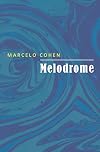
Another novella for #NovNov Novellas in November! Melodrome by Argentinian author Marcelo Cohen is really interesting reading, and at only 142 pages long, it’s easy to romp through it in a day. It’s from Giramondo’s Southern Latitudes series, indulging an interest in countries to the east and west of us, in our own hemisphere.
Vaguely Orwellian without being derivative, and offering a critique of neoliberal capitalism without being heavy-handed, Melodrome is set in an indefinable show more future. It’s the story of Lerena Dost, a successful woman in executive management, who undertakes a bizarre quest to thank an enigmatic benefactor. Lerena has lost her lover, her job and her home in short order but through quirky circumstances has won a major lottery. Uneasy about unearned income, she wants to thank Dona Munava, whose hint provided the winning numbers, but it turns out to be more difficult than she thought. So she enlists the help of her former lover, Suana Botilecue, a psychoanalyst who lost his job for having an unprofessional relationship with her and is now reduced to living among the homeless as their publicly-funded counsellor. (It is one of these homeless who narrates the story).
Lerena’s life has unravelled due to an unfortunate series of events. Her replacement lover dumped her because he thought she was manipulative, and she was so shocked that she wasn’t able to react with her usual assertiveness when her rental manager gave her notice to quit.
‘Panoramics’ and ‘bitcards’ (securely encrypted money cards) are two of the many words coined to create a disorientating sense of a world familiar yet not quite our own, and the translator Chris Andrews has done a splendid job of rendering these in English. Lerena drives a mincar, stops at ‘anytime eatchas’ for a meal, sleeps overnight at a ‘lodgitel’ and visits a ‘sanit’ when nature calls. There are Clearseers for surveillance and Guards who enforce checkpoints that no one, not even the Guard, can explain.
So, Suano joins Lerena on this bizarre road trip, where everyone they meet already knows about their quest.
To read the rest of my review please visit https://anzlitlovers.com/2018/11/10/melodrome-by-marcelo-cohen-translated-by-chr... show less
Vaguely Orwellian without being derivative, and offering a critique of neoliberal capitalism without being heavy-handed, Melodrome is set in an indefinable show more future. It’s the story of Lerena Dost, a successful woman in executive management, who undertakes a bizarre quest to thank an enigmatic benefactor. Lerena has lost her lover, her job and her home in short order but through quirky circumstances has won a major lottery. Uneasy about unearned income, she wants to thank Dona Munava, whose hint provided the winning numbers, but it turns out to be more difficult than she thought. So she enlists the help of her former lover, Suana Botilecue, a psychoanalyst who lost his job for having an unprofessional relationship with her and is now reduced to living among the homeless as their publicly-funded counsellor. (It is one of these homeless who narrates the story).
Lerena’s life has unravelled due to an unfortunate series of events. Her replacement lover dumped her because he thought she was manipulative, and she was so shocked that she wasn’t able to react with her usual assertiveness when her rental manager gave her notice to quit.
She was well acquainted with the miserly sadism of real estate administrators, the deals they did with the judges and the size of the bribes they demanded, but the guy was accusing her of fraudulently negotiating a rent reduction and manipulating the apartment’s elderly owner: the combination of charges left her gaping, with her tongue stuck to her palate. And she can’t be sure, but it may have been this silence that emboldened her boss to call her in to the personnel room two hours later and announce that, having observed for quite some time now how Lerena’s attitude, with its combination of arrogance, pride, intimidation, assertiveness, moral blackmail and manipulative skill, was inhibiting rather than motivating the team of analysts under her supervision, quashing rather than nurturing their spirit of initiative, and not only making them inefficient as employees but also damaging them as people, he had decided to replace her; that’s the word he used, replace, not dismiss or fire, when in fact he had already prepared her resignation, and produced it then for her to sign, along with a piece of paper on which the sum of her severance pay was crisply inscribed: seven thousand panoramics. (p.15-16)
‘Panoramics’ and ‘bitcards’ (securely encrypted money cards) are two of the many words coined to create a disorientating sense of a world familiar yet not quite our own, and the translator Chris Andrews has done a splendid job of rendering these in English. Lerena drives a mincar, stops at ‘anytime eatchas’ for a meal, sleeps overnight at a ‘lodgitel’ and visits a ‘sanit’ when nature calls. There are Clearseers for surveillance and Guards who enforce checkpoints that no one, not even the Guard, can explain.
So, Suano joins Lerena on this bizarre road trip, where everyone they meet already knows about their quest.
To read the rest of my review please visit https://anzlitlovers.com/2018/11/10/melodrome-by-marcelo-cohen-translated-by-chr... show less

EL OÍDO ABSOLUTO
Hay en el mundo un lugar llamado Lorelei en el que todos, especialmente los pobres del mundo, pueden pasar quince días de vida. Este chillón complejo cultural, extatica mezcla de meca turística potsindustrial y centro de la banalidad recreativa, es la materialización del sueño de un hombre cuyas melosas canciones costarricenses suenan allí permanentemente como obsesiva música de fondo. Lorelei es también la meca de los marginados. Lino, masajista, pintor de coches y show more poeta vergonzante, y Clarisa, muchacha desplazada de la realidad en busca de un vivir que sea una forma de encuentro, se instalan en Lorelei intentando conciliar su impotente situación con el goce de una historia de amor. Un día llega Lotario, padre de Clarisa,arquetipo del padre ausenten. Contradictorio, campechano, distraído a veces, Lotario es fanático de la música, pretende ser el oído absoluto y por eso odia a Campomanes y sus canciones. En una noche irreal y alcohólica Lotario cuenta su propia y extravagante historia.
«Novela de temas superpuestos y tramas no resueltas, rapsodia sobre el desarraigo y parodia del populismo y de la cursilería cultural, El oído absoluto también es una reflexión sobre las historias, la posibilidad e inutilidad de interpretar las, la necesidad de aceptarlas y la fialibilidad de todo testigo, en particular el novelista. Quiere ser una obra para varias voces, donde los relevos se cumplen linealmente pero aspiran a ser percibidos como contrapunto. show less
Hay en el mundo un lugar llamado Lorelei en el que todos, especialmente los pobres del mundo, pueden pasar quince días de vida. Este chillón complejo cultural, extatica mezcla de meca turística potsindustrial y centro de la banalidad recreativa, es la materialización del sueño de un hombre cuyas melosas canciones costarricenses suenan allí permanentemente como obsesiva música de fondo. Lorelei es también la meca de los marginados. Lino, masajista, pintor de coches y show more poeta vergonzante, y Clarisa, muchacha desplazada de la realidad en busca de un vivir que sea una forma de encuentro, se instalan en Lorelei intentando conciliar su impotente situación con el goce de una historia de amor. Un día llega Lotario, padre de Clarisa,arquetipo del padre ausenten. Contradictorio, campechano, distraído a veces, Lotario es fanático de la música, pretende ser el oído absoluto y por eso odia a Campomanes y sus canciones. En una noche irreal y alcohólica Lotario cuenta su propia y extravagante historia.
«Novela de temas superpuestos y tramas no resueltas, rapsodia sobre el desarraigo y parodia del populismo y de la cursilería cultural, El oído absoluto también es una reflexión sobre las historias, la posibilidad e inutilidad de interpretar las, la necesidad de aceptarlas y la fialibilidad de todo testigo, en particular el novelista. Quiere ser una obra para varias voces, donde los relevos se cumplen linealmente pero aspiran a ser percibidos como contrapunto. show less
Mar 10, 2018 (Edited)Spanish

Una novela a dos perspectivas: la de un post-adolescente roquero con ínfulas de estrella, y la de un hombre de edad más avanzada y con gustos literarios. Ambos son los héroes de sus propias historias; el joven reta al mundo, el mayor imparte protección y sabiduría. Como en Rashomon, las perspectivas tienen los mismos elementos, pero no son compatibles; la verdad puede hallarse entremedio o, probablemente, en un tercer punto, de escape. Muy interesante.
Jul 30, 2011Spanish

Historia de amor y de aprendizaje, una narración sobre la intimidad, el dolor y el recuerdo.
Apr 4, 2014Spanish
Awards

You May Also Like
Associated Authors
Statistics
- Works
- 29
- Also by
- 11
- Members
- 122
- Popularity
- #163,288
- Rating
- 4.0
- Reviews
- 4
- ISBNs
- 50
- Languages
- 1