
James Goodman (7)
Author of But Where Is the Lamb?: Imagining the Story of Abraham and Isaac
For other authors named James Goodman, see the disambiguation page.
Works by James Goodman
Tagged
Common Knowledge
There is no Common Knowledge data for this author yet. You can help.
Members
Reviews
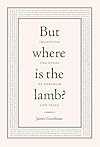
Goodman doesn't resolve the big questions about the story of Abraham and Isaac -- the questions about faith and morality. What he does is give us a long, historically-infused rumination on why the story matters so much to us, how we might attempt to resolve the questions it raises, and why none of those resolutions seems to be satisfactory.
He begins by placing himself in the position of the author of the story. The author doesn't like the story -- there's something not right about it. How show more could Abraham not have questioned God? How could he just take God's instruction and proceed to sacrifice his own only child -- the very child that God has promised to Abraham, the child through whom Abraham is to become the "father of many nations."
But the story is one of faith. If Abraham's faith is strong, he will do what God asks. If he questions God, his faith is wavering, and he will fail the test.
The author wants to revise the story. it doesn't feel right that Abraham doesn't question God's command, nor will it feel right if he does. But the story is written, and it's too late to revise it. It's already been incorporated into the "anthology".
The author's inability to tell the story as he thinks it should be told presages the difficulty others throughout history will have in understanding the story. On one side, we could say either that Abraham is right to obey God without question-- this is after all the word of God instructing him and faith demands obedience.
But isn't that a dangerous way to think about faith? Doesn't it seem that what God demands is wrong and that Abraham is wrong not to question it? And does the fact that God, in the end, stops Abraham change any of that? Does the story provide an affirmation of faith, or the threat of religious zealotry? Does it encourage us to toss away our own sense of right and wrong and trust only our religious convictions?
And what about God's own behavior? He tells Abraham to do something, and when Abraham obeys, God stops him. Where does that leave us in listening to the word of God? Does God mean what he says?
Goodman provides a great deal of historical context, some of the most interesting involving the role of sacrifice in the religions of Abraham's time. He gives significant space to the claim that what God is doing is in fact ending the practice of human sacrifice, that when God stops Abraham, he is stopping the practice itself for the nations that will follow from Abraham and Isaac.
He also does a good job of making us feel at gut level how unsatisfying hardline answers are -- either that faith is absolute and that Abraham did exactly as he should have, or that God's instruction to Abraham is unconscionable and that Abraham should have simply disobeyed (or that Abraham must have been in some sort of delusional state to think he was hearing God's word in the first place).
Goodman's rumination is edifying, not answering. What I think is great about the story of Abraham and Isaac is that it does pose such a difficult, maybe even unresolvable question about faith and morality.
But the fact that we can never be satisfied with any particular answer to the question doesn't mean that we don't have to take a stand on it. The book invites a dialog between the reader and Goodman, and I think it is successful to the extent that it raises the level of the reader's own understanding of the question and what hinges on how he answers it. show less
He begins by placing himself in the position of the author of the story. The author doesn't like the story -- there's something not right about it. How show more could Abraham not have questioned God? How could he just take God's instruction and proceed to sacrifice his own only child -- the very child that God has promised to Abraham, the child through whom Abraham is to become the "father of many nations."
But the story is one of faith. If Abraham's faith is strong, he will do what God asks. If he questions God, his faith is wavering, and he will fail the test.
The author wants to revise the story. it doesn't feel right that Abraham doesn't question God's command, nor will it feel right if he does. But the story is written, and it's too late to revise it. It's already been incorporated into the "anthology".
The author's inability to tell the story as he thinks it should be told presages the difficulty others throughout history will have in understanding the story. On one side, we could say either that Abraham is right to obey God without question-- this is after all the word of God instructing him and faith demands obedience.
But isn't that a dangerous way to think about faith? Doesn't it seem that what God demands is wrong and that Abraham is wrong not to question it? And does the fact that God, in the end, stops Abraham change any of that? Does the story provide an affirmation of faith, or the threat of religious zealotry? Does it encourage us to toss away our own sense of right and wrong and trust only our religious convictions?
And what about God's own behavior? He tells Abraham to do something, and when Abraham obeys, God stops him. Where does that leave us in listening to the word of God? Does God mean what he says?
Goodman provides a great deal of historical context, some of the most interesting involving the role of sacrifice in the religions of Abraham's time. He gives significant space to the claim that what God is doing is in fact ending the practice of human sacrifice, that when God stops Abraham, he is stopping the practice itself for the nations that will follow from Abraham and Isaac.
He also does a good job of making us feel at gut level how unsatisfying hardline answers are -- either that faith is absolute and that Abraham did exactly as he should have, or that God's instruction to Abraham is unconscionable and that Abraham should have simply disobeyed (or that Abraham must have been in some sort of delusional state to think he was hearing God's word in the first place).
Goodman's rumination is edifying, not answering. What I think is great about the story of Abraham and Isaac is that it does pose such a difficult, maybe even unresolvable question about faith and morality.
But the fact that we can never be satisfied with any particular answer to the question doesn't mean that we don't have to take a stand on it. The book invites a dialog between the reader and Goodman, and I think it is successful to the extent that it raises the level of the reader's own understanding of the question and what hinges on how he answers it. show less
History of different understandings of the story of Isaac’s near-sacrifice by Abraham. There are a number of variations of which I was unaware: In the Islamic tradition, the child to be sacrificed was Ishmael; also, some versions of the story have Abraham carrying out the sacrifice and God returning Isaac to life. Goodman covers ancient and modern interpretations, including the contested relationship of the story to the Shoah and modern Israel’s battles. It’s written in a style too show more precious for me (the beginning whimsy is the idea, narrated as if it were what really happened, that the version we have is a first draft incorporated into the Torah against the wishes of the author) but I did learn a fair amount. show less
I enjoyed it and admire the research the author did, and the thought and subtlety he has brought to the discussion. His style of writing is perfect for the subject and purpose of the book. The story of Abraham and Isaac -- told in 19 verses in Genesis 22 -- is an essential part of the belief and history of three religions. Its influence can be seen in literature, music, art, religious commentary, film, three thousand years of history, cultural traditions and values, and on the news every show more night, as well as in our personal choices and attitudes, in what we're taught and what we choose to teach our children. show less
Statistics
- Works
- 2
- Members
- 37
- Popularity
- #390,571
- Rating
- 3.9
- Reviews
- 3
- ISBNs
- 41
- Languages
- 2