
Ross Nichols (1902–1975)
Author of The Book of Druidry
Works by Ross Nichols
Associated Works
Tagged
Common Knowledge
- Birthdate
- 1902-06-28
- Date of death
- 1975-04-03
- Gender
- male
- Education
- Bloxham School
University of Cambridge - Occupations
- poet
artist
historian
academic - Organizations
- Order of Bards, Ovates and Druids (OBOD)
Ancient Druid Order - Nationality
- UK
- Birthplace
- Norwich, Norfolk, England, UK
- Places of residence
- London, England, UK
- Place of death
- London, England, UK
- Associated Place (for map)
- England, UK
Members
Reviews
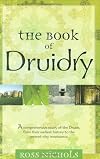
A dense, nearly unreadable history of druidry, complete with the meanings of symbols and the rituals. The book was written by a former Druid Chief in England, and published many years after his death, so perhaps he would have edited it some before he published, at least to remove all the redundancies. The author was himself a Druid, as suggested by his title, and that leads to some strange things in the book, starting right off with the rejection of biological evolution (I was unaware Druids show more rejected evolution). Perhaps the funniest was the statement that the blowing of witches protected England from invasion by Hitler in WWII; one is forced to wonder why they didn't blow a bit harder and protect them from the Blitz! Overall, much of the book is a history of Celtic Druidry, which should be interesting, but the author's form and style render it dry and obscure. He claims Druid beliefs for many ancient greats, who are no longer around to answer that, and even claims William Blake was a Druid chief, though he does readily admit that none of his biographers knew that or would have called him that. It seems the author of the book read that out of his poetry. He also claims Druidry for many other greats and near greats through history. In addition, he selectively culls archaeological sources to determine which ones agree with his history, then proclaims that archaeology has proven his assertion - until one spot, where he couldn't find a respected archaeologist who fit the bill, at which time he exhorts us to ignore the experts, and listen to the source he finds acceptable. This is very similar to the efforts by creationists to force science to fit their preconceived notions, and reject all that doesn't fit. Overall, it is a mildly interesting work for someone interested in comparative religions, but in the end, I feel like I would have done better to have passed it up. show less

You May Also Like


Associated Authors
Statistics
- Works
- 4
- Also by
- 1
- Members
- 354
- Popularity
- #67,647
- Rating
- 3.3
- Reviews
- 2
- ISBNs
- 7
- Languages
- 2
- Favorited
- 1