
Heather Abel
Author of The Optimistic Decade
About the Author
Works by Heather Abel
Gut Instincts: Dispatches from the Wide Open Space Between Sickness and Health (Kindle Single) (2014) 8 copies, 2 reviews
Associated Works
The Friend Who Got Away: Twenty Women's True Life Tales of Friendships that Blew Up, Burned Out or Faded Away (2005) — Contributor — 213 copies, 9 reviews
Tagged
Common Knowledge
- Gender
- female
- Short biography
- Heather Abel is a writer living in Brooklyn, New York. She previously was a reporter and editor with High Country News and the San Francisco Bay Guardian. [adapted from The Friend Who Got Away (2005)]
- Nationality
- USA
- Places of residence
- Brooklyn, New York, USA
- Associated Place (for map)
- New York, USA
Members
Reviews
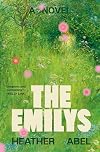
This novel with its meandering plot touches on a number of issues; unfortunately, it feels unfocused and scattered.
It is set in post-pandemic Northampton, Massachusetts. Forty-four-year-old Eve, having moved back with her two children, meets her childhood friend Demeter. Lonely and bored, Eve is so happy to reconnect. Quickly she becomes dedicated to helping Demeter whose daughter Persephone is suffering from sudden, unexplainable photosensitivity. This condition means she avoids the show more outdoors and even rooms with lighting. Others in the community are also afflicted. Some label the condition as post-pandemic syndrome while others suspect a tick bite might be the cause.
Eve is joined by others on the hunt for a cure. There’s Ruth, the local librarian; Stephen, whose son suffers with the condition; and Will, a young man hoping to make amends for past mistakes. They learn about a plant that might provide relief so they set out to find it, though the spring ephemeral may very well be extinct. Eve becomes so obsessed that she keeps secrets from her husband, neglects her children, and even quarrels with Demeter.
I found it difficult to determine the purpose of the book. It touches on many topics, including motherhood, friendship, and climate change. It is marketed as a book about love of many kinds and it does indeed show varieties of love: parental love for children; romantic love in heterosexual, homosexual and bisexual relationships; love between friends; and love for nature and the planet. The problem is that each relationship is described in detail. For instance, we learn about Ruth, Stephen and Will’s past loves so we are introduced to many secondary characters like Jeremiah, Quinn, Arielle, Ritu, Jessie, Ramona, and Antonia. Ruth and Stephen were even married to the same woman.
One main message is that we are destroying our planet. One chapter, narrated by a tick, explains how ticks nearly disappeared but came back because of human behaviour. There is repeated reference to the effects of a warming climate; warming winters, wet springs, trees leafing early, and invasive species moving in. Of course, human relationships with nature have changed over time as well: “We largely ignored the plants when we had them, but so much depended upon them. We were living with a flat-out miracle, this green earth a wonderment.” There’s even the suggestion that the photosensitivity is a sickness “as response to a sick world.”
It is difficult to connect with the characters because there are so many of them. Besides the ones already mentioned, there are many others that make an appearance: Lev and Sonya, Eve’s children; Henry James, Eve’s husband; Joan Yalen, Eve’s mother; Kiran, Stephen’s son; Claudine, Jeremiah’s niece; Ellen, Ruth’s friend; as well as other characters named Pax, Ishmael, Aengus, Corin, Indigo, and Lenore and Clement Folkenflick. Then there are the characters given more than one name: Pan/DJ, Orian/Ryan; Ellen/Ellis, and Claude/Claudine. Many of the characters come complete with a back story, though many of those prove to be largely irrelevant.
Eve, a main character, is difficult to like. She lets her husband do as he wants so child care falls solely to her while he commutes from New York only on weekends. She wants to be “crowned queen of mothers” yet virtually abandons her children at times in favour of Demeter and her daughter. She often behaves immaturely; I found myself comparing her flirting with Will to Persephone’s behaviour with DJ.
The book lacks focus because of too many tangents. The pace is slow so there’s little tension and nothing much happens for the longest time. The overly large cast of characters is sometimes just confusing. The novel needs some editing since it is unnecessarily lengthy (over 400 pages). I did not enjoy it but others with more patience might want to give it a try.
Note: I received an eARC from the publisher via NetGalley.
Please check out my reader's blog (https://schatjesshelves.blogspot.com/). show less
It is set in post-pandemic Northampton, Massachusetts. Forty-four-year-old Eve, having moved back with her two children, meets her childhood friend Demeter. Lonely and bored, Eve is so happy to reconnect. Quickly she becomes dedicated to helping Demeter whose daughter Persephone is suffering from sudden, unexplainable photosensitivity. This condition means she avoids the show more outdoors and even rooms with lighting. Others in the community are also afflicted. Some label the condition as post-pandemic syndrome while others suspect a tick bite might be the cause.
Eve is joined by others on the hunt for a cure. There’s Ruth, the local librarian; Stephen, whose son suffers with the condition; and Will, a young man hoping to make amends for past mistakes. They learn about a plant that might provide relief so they set out to find it, though the spring ephemeral may very well be extinct. Eve becomes so obsessed that she keeps secrets from her husband, neglects her children, and even quarrels with Demeter.
I found it difficult to determine the purpose of the book. It touches on many topics, including motherhood, friendship, and climate change. It is marketed as a book about love of many kinds and it does indeed show varieties of love: parental love for children; romantic love in heterosexual, homosexual and bisexual relationships; love between friends; and love for nature and the planet. The problem is that each relationship is described in detail. For instance, we learn about Ruth, Stephen and Will’s past loves so we are introduced to many secondary characters like Jeremiah, Quinn, Arielle, Ritu, Jessie, Ramona, and Antonia. Ruth and Stephen were even married to the same woman.
One main message is that we are destroying our planet. One chapter, narrated by a tick, explains how ticks nearly disappeared but came back because of human behaviour. There is repeated reference to the effects of a warming climate; warming winters, wet springs, trees leafing early, and invasive species moving in. Of course, human relationships with nature have changed over time as well: “We largely ignored the plants when we had them, but so much depended upon them. We were living with a flat-out miracle, this green earth a wonderment.” There’s even the suggestion that the photosensitivity is a sickness “as response to a sick world.”
It is difficult to connect with the characters because there are so many of them. Besides the ones already mentioned, there are many others that make an appearance: Lev and Sonya, Eve’s children; Henry James, Eve’s husband; Joan Yalen, Eve’s mother; Kiran, Stephen’s son; Claudine, Jeremiah’s niece; Ellen, Ruth’s friend; as well as other characters named Pax, Ishmael, Aengus, Corin, Indigo, and Lenore and Clement Folkenflick. Then there are the characters given more than one name: Pan/DJ, Orian/Ryan; Ellen/Ellis, and Claude/Claudine. Many of the characters come complete with a back story, though many of those prove to be largely irrelevant.
Eve, a main character, is difficult to like. She lets her husband do as he wants so child care falls solely to her while he commutes from New York only on weekends. She wants to be “crowned queen of mothers” yet virtually abandons her children at times in favour of Demeter and her daughter. She often behaves immaturely; I found myself comparing her flirting with Will to Persephone’s behaviour with DJ.
The book lacks focus because of too many tangents. The pace is slow so there’s little tension and nothing much happens for the longest time. The overly large cast of characters is sometimes just confusing. The novel needs some editing since it is unnecessarily lengthy (over 400 pages). I did not enjoy it but others with more patience might want to give it a try.
Note: I received an eARC from the publisher via NetGalley.
Please check out my reader's blog (https://schatjesshelves.blogspot.com/). show less
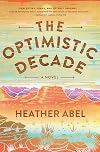
Idealism vs reality collide in this thoughtful novel, set in the 1970s - 1990s, amongst conflicted back-to-the-landers and radical journalists. The main characters are "red diaper" babies, the children of Movement parents. Caleb yearns to be a cowboy and establishes Llamalo, a survivalist summer camp in the high mesas of Colorado. His young cousin, Berkeley freshman Rachel, is sent to the camp when her parents, publishers of revolutionary newspaper Our Side Now, make a momentous decision. show more She joins David, a year younger, who dreams of staying at Llamalo forever. Escadom, the former boomtown nearest to the camp, abandoned by Exxon when the company determined that shale drilling would be too expensive (foreshadowing the later fracking boom), is home to Don and his son Donnie, who reluctantly sold their ranch to Caleb when their income collapsed.
All of these characters make for a very pungent stew of class conflict. Caleb, idolized by the campers and despised by Donnie, chooses a new female counselor as consort each summer, an entitlement that really stings in this #METOO era. Rebecca and David, on the other hand, glide into a lovely sexual initiation that is so perfectly drawn, from both perspectives, that's the best I've ever read.
There's a lot going on here, and no one gets out very happy (except the reader). I hope that author Abel can continue this story in a second novel with the growing and changing of these memorable characters in the new millennium and beyond.
Quote: "The promise of pleasure was itself so pleasurable that he almost wanted to prolong this expectancy." show less
All of these characters make for a very pungent stew of class conflict. Caleb, idolized by the campers and despised by Donnie, chooses a new female counselor as consort each summer, an entitlement that really stings in this #METOO era. Rebecca and David, on the other hand, glide into a lovely sexual initiation that is so perfectly drawn, from both perspectives, that's the best I've ever read.
There's a lot going on here, and no one gets out very happy (except the reader). I hope that author Abel can continue this story in a second novel with the growing and changing of these memorable characters in the new millennium and beyond.
Quote: "The promise of pleasure was itself so pleasurable that he almost wanted to prolong this expectancy." show less
Gut Instincts: Dispatches from the Wide Open Space Between Sickness and Health (Kindle Single) by Heather Abel
Gluten. SMGDH. This short read is the author's experience on being diagnosed with Celiac disease (even after it disappeared from America) and the rise of "gluten intolerance". It's an interesting read that makes you question what our collective diet is all about -- and does it really need to be so gluten heavy? However, it also seems like this is the author's attempt to get a book deal.
The “Optimistic Decade” when so many thought they could effectuate change by writing and talking and discussing. This was the time of self-discovery by the young while the adults were busy elsewhere. Behind all this optimism the large corporations fed the marginalized promises of more and better opportunities. For small isolated towns it was a modern-day gold rush, but when the profits did not materialize towns were decimated and inhabitants lost everything.
Constantly jabbing at me was show more the universal theme of parents who are so self-involved in their causes that they ignore the children who love them unconditionally. Is it possible for an intelligent person to not understand that the strength of their personality, the incapacity to listen, the neglect of affection ultimately deprives their children of the ability to build their own sense of belief and character? Is it any surprise that these young people try to emulate the teeth-gnashing diatribe about the injustices of the sociopolitical system?
David will run away from the mess and search out a more accepting place. He will understand that his parents’ “ideas are all wrong. For them everything is anti, against. And this anger at everything, it means they’re basically paralyzed.” Rebecca, will try to please her father and do as asked because she sees her him as a brilliant, brave, decision maker who is always and ever all about all issues of inequality and injustice as he publishes another manifesto and ultimately is unable to give her more than his confusion. And then there is Caleb, the always happy Leader who arrived at his destiny through little more than right place, right/wrong time and a bit of chicanery. Caleb’s visionary summer camp, LLamalo ,“The-West of-which- I-speak”, Colorado, located on lands formerly known as the Double L Ranch and owned by father and son, Don and Donnie Talc who want their land back.
Can the vision survive “when the world feels malleable and the self strong” or is it only for a decade, gone and never to return?
This book left me with a sense of disbelief. If I am honest it is my failure to realize and acknowledge that things happened exactly as described in this book. Well written but slow moving.
Thank You NetGalley and Algonquin Books for an ARC show less
Constantly jabbing at me was show more the universal theme of parents who are so self-involved in their causes that they ignore the children who love them unconditionally. Is it possible for an intelligent person to not understand that the strength of their personality, the incapacity to listen, the neglect of affection ultimately deprives their children of the ability to build their own sense of belief and character? Is it any surprise that these young people try to emulate the teeth-gnashing diatribe about the injustices of the sociopolitical system?
David will run away from the mess and search out a more accepting place. He will understand that his parents’ “ideas are all wrong. For them everything is anti, against. And this anger at everything, it means they’re basically paralyzed.” Rebecca, will try to please her father and do as asked because she sees her him as a brilliant, brave, decision maker who is always and ever all about all issues of inequality and injustice as he publishes another manifesto and ultimately is unable to give her more than his confusion. And then there is Caleb, the always happy Leader who arrived at his destiny through little more than right place, right/wrong time and a bit of chicanery. Caleb’s visionary summer camp, LLamalo ,“The-West of-which- I-speak”, Colorado, located on lands formerly known as the Double L Ranch and owned by father and son, Don and Donnie Talc who want their land back.
Can the vision survive “when the world feels malleable and the self strong” or is it only for a decade, gone and never to return?
This book left me with a sense of disbelief. If I am honest it is my failure to realize and acknowledge that things happened exactly as described in this book. Well written but slow moving.
Thank You NetGalley and Algonquin Books for an ARC show less
Lists
Awards

You May Also Like
Associated Authors
Statistics
- Works
- 3
- Also by
- 1
- Members
- 143
- Popularity
- #144,061
- Rating
- 3.3
- Reviews
- 11
- ISBNs
- 7