

Peter Gay (1) (1923–2015)
Author of Freud: A Life for Our Time
For other authors named Peter Gay, see the disambiguation page.
Series
Works by Peter Gay
The dilemma of democratic socialism; Eduard Bernstein's challenge to Marx (1979) 47 copies, 1 review
The European Past: Volume I: Reappraisals in History from the Renaissance through Waterloo (1967) 8 copies
De psychoanalyse in de geschiedschrijving. Je kunt Clio niet op de divan leggen — Author — 3 copies
La experiencia burguesa. De Victoria a Freud II : tiernas pasiones (Derecho) (Spanish Edition) (1993) 3 copies
Bergasse 19: Sigmund Freud's Home and Offices, Vienna 1938. The Photographs of Edmund Engelman (1976) 1 copy
Chess Story 1 copy
The powerful, weaker sex 1 copy
Goya 1 copy
Basic Writings of Nietzsche 1 copy
Columbia History of World 1 copy
Associated Works
Introductory Lectures on Psychoanalysis (1917) — Introduction, some editions — 2,320 copies, 20 reviews
New Introductory Lectures on Psychoanalysis (1933) — Introduction, some editions — 755 copies, 4 reviews
Group Psychology and the Analysis of the Ego (1922) — Introduction, some editions — 741 copies, 4 reviews
Candide (suivi de L'Histoire des voyages de Scarmentado et de Poème sur le désastre de Lisbonne) (1759) — Translator, some editions — 347 copies, 2 reviews
The German Dictatorship: The Origins, Structure and Effects of National Socialism (1969) — Introduction, some editions — 259 copies, 1 review
Leven met Duitsland : opstellen over geschiedenis en politiek : aangeboden aan Maarten Brands (1998) — Contributor — 3 copies
Tagged
Common Knowledge
Members
Reviews
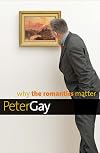
With his usual wit and élan, esteemed historian Peter Gay enters the contentious, long-standing debates over the romantic period. Here, in this concise and inviting volume, he reformulates the definition of romanticism and provides a fresh account of the immense achievements of romantic writers and artists in all media.
Gay’s scope is wide, his insights sharp. He takes on the recurring questions about how to interpret romantic figures and their works. Who qualifies to be a romantic? What show more ties together romantic figures who practice in different countries, employ different media, even live in different centuries? How is modernism indebted to romanticism, if at all?
Guiding readers through the history of the romantic movement across Britain, France, Germany, and Switzerland, Gay argues that the best way to conceptualize romanticism is to accept its complicated nature and acknowledge that there is no “single basket” to contain it. Gay conceives of romantics in “families,” whose individual members share fundamental values but retain unique qualities. He concludes by demonstrating that romanticism extends well into the twentieth century, where its deep and lasting impact may be measured in the work of writers such as T. S. Eliot and Virginia Woolf. show less
Gay’s scope is wide, his insights sharp. He takes on the recurring questions about how to interpret romantic figures and their works. Who qualifies to be a romantic? What show more ties together romantic figures who practice in different countries, employ different media, even live in different centuries? How is modernism indebted to romanticism, if at all?
Guiding readers through the history of the romantic movement across Britain, France, Germany, and Switzerland, Gay argues that the best way to conceptualize romanticism is to accept its complicated nature and acknowledge that there is no “single basket” to contain it. Gay conceives of romantics in “families,” whose individual members share fundamental values but retain unique qualities. He concludes by demonstrating that romanticism extends well into the twentieth century, where its deep and lasting impact may be measured in the work of writers such as T. S. Eliot and Virginia Woolf. show less
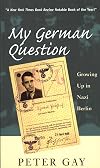
"Not only a memoir, it's also a fierce reply to those who criticized German-Jewish assimilation and the tardiness of many families in leaving Germany" (Publishers Weekly).
In this poignant book, a renowned historian tells of his youth as an assimilated, anti-religious Jew in Nazi Germany from 1933 to 1939—"the story," says Peter Gay, "of a poisoning and how I dealt with it." With his customary eloquence and analytic acumen, Gay describes his family, the life they led, and the reasons they show more did not emigrate sooner, and he explores his own ambivalent feelings—then and now—toward Germany its people.
Gay relates that the early years of the Nazi regime were relatively benign for his family, yet even before the events of 1938–39, culminating in Kristallnacht, they were convinced they must leave the country. Gay describes the bravery and ingenuity of his father in working out this difficult emigration process, the courage of the non-Jewish friends who helped his family during their last bitter months in Germany, and the family's mounting panic as they witnessed the indifference of other countries to their plight and that of others like themselves. Gay's account—marked by candor, modesty, and insight—adds an important and curiously neglected perspective to the history of German Jewry.
"Not a single paragraph is superfluous. His inquiry rivets without let up, powered by its unremitting candor." —Los Angeles Times Book Review show less
In this poignant book, a renowned historian tells of his youth as an assimilated, anti-religious Jew in Nazi Germany from 1933 to 1939—"the story," says Peter Gay, "of a poisoning and how I dealt with it." With his customary eloquence and analytic acumen, Gay describes his family, the life they led, and the reasons they show more did not emigrate sooner, and he explores his own ambivalent feelings—then and now—toward Germany its people.
Gay relates that the early years of the Nazi regime were relatively benign for his family, yet even before the events of 1938–39, culminating in Kristallnacht, they were convinced they must leave the country. Gay describes the bravery and ingenuity of his father in working out this difficult emigration process, the courage of the non-Jewish friends who helped his family during their last bitter months in Germany, and the family's mounting panic as they witnessed the indifference of other countries to their plight and that of others like themselves. Gay's account—marked by candor, modesty, and insight—adds an important and curiously neglected perspective to the history of German Jewry.
"Not a single paragraph is superfluous. His inquiry rivets without let up, powered by its unremitting candor." —Los Angeles Times Book Review show less

The Weimar Republic was born from the collapse of one empire and was murdered in the rise of another. In the span between, however, it was the site of one of the most extraordinarily fruitful cultural movements in Western history, one that would spread far beyond the borders of interwar Germany to shape the cultural aesthetics of a century. Peter Gay’s book is an extended essay about this development. Over the course of a half-dozen chapters, he offers a perceptive analysis of German show more culture in the 1920s, one that assesses the shapes it took and how it reflected the tumultuous events surrounding it.
What Gay describes amounts to an explosion of cultural exploration in the aftermath of the demise of the German empire in 1918. Freed from its oppressive cultural conservatism, many German artists, writers, and designers pushed the avant-garde to new levels of innovation. These efforts were fueled by their criticisms of a society still dominated by much of the Wilhelmine old order, which provided them with subject material to portray and critique. Yet Gay makes it clear that to think of Weimar culture exclusively in terms of Expressionism and the Bauhaus school is false, as he shows the equally important contribution made by conservative intellectuals who sought to come to terms with Germany’s circumstances in their own works. In the short term their contributions proved more relevant, as the rightward turn of German youth in the early 1930s that Gay describes fueled the rapid growth of the Nazi-led right, the triumph of which brought an end to the cultural experimentation of the Weimar era.
As one of the 20th century’s foremost cultural historians Gay left behind an impressive body of insightful works. Yet his short book stands out from them thanks to a personal tone that inflects much of the work. As a refugee from Nazi Germany, Gay was a personal witness to the aftermath of the era he describes, one that gives his book an almost elegiac tone in its description of a culture doomed to extinction. Writing as he does with an assumption of his readers’ familiarity with the era, this is not a book that should serve as someone’s introduction to the period. Yet it is one that anyone seeking to understand interwar German history must come to terms with, thanks to Gay’s graceful prose and his penetrating judgments of his subject. show less
What Gay describes amounts to an explosion of cultural exploration in the aftermath of the demise of the German empire in 1918. Freed from its oppressive cultural conservatism, many German artists, writers, and designers pushed the avant-garde to new levels of innovation. These efforts were fueled by their criticisms of a society still dominated by much of the Wilhelmine old order, which provided them with subject material to portray and critique. Yet Gay makes it clear that to think of Weimar culture exclusively in terms of Expressionism and the Bauhaus school is false, as he shows the equally important contribution made by conservative intellectuals who sought to come to terms with Germany’s circumstances in their own works. In the short term their contributions proved more relevant, as the rightward turn of German youth in the early 1930s that Gay describes fueled the rapid growth of the Nazi-led right, the triumph of which brought an end to the cultural experimentation of the Weimar era.
As one of the 20th century’s foremost cultural historians Gay left behind an impressive body of insightful works. Yet his short book stands out from them thanks to a personal tone that inflects much of the work. As a refugee from Nazi Germany, Gay was a personal witness to the aftermath of the era he describes, one that gives his book an almost elegiac tone in its description of a culture doomed to extinction. Writing as he does with an assumption of his readers’ familiarity with the era, this is not a book that should serve as someone’s introduction to the period. Yet it is one that anyone seeking to understand interwar German history must come to terms with, thanks to Gay’s graceful prose and his penetrating judgments of his subject. show less

For readers in the History of Ideas, The Enlightenment is intellectual history of the highest order, with Peter Gay’s erudition clearly on display, and a bibliographical essay (taking up fully a quarter of the bound pages) to make you cry for all you will never have time to read.
The focus here is on the effort by the philosophes and their fellow travelers to overcome, as they saw it, the irrationality and superstitions of medieval Scholasticism. This is a well-known story of the 17th-18th show more c. European Enlightenment. What makes Gay’s book useful is the attention that he pays to the congruities between the brightest lights of Christian theology and the ‘enlightened’ thinkers. After a thorough examination of the Enlightenment sources (again, that delicious bibliography), Gay doubles back and uncovers the work of late-medieval churchmen who were writing exegetical critiques of the extant orthodoxies—and in so doing anticipated many of the attacks leveled against Scholasticism by the philosophes. Many of the churchmen were proto-scientists, motivated by the Christian view of rationality and inspired to investigate the natural world so as to better understand divine purpose. For a while, writes Gay, theology became philosophy, but the Reformation challenge provoked a reactionary retrenchment, and theologians largely abandoned rationality for myth. It was the elevation of ‘mere myth’ to the status of philosophy that riled up so many of the philosophes.
Peter Gay makes a strong case for understanding the European Enlightenment not as a sudden repudiation of medieval irrationality, but as a gradual evolution in western philosophy. And while the philosophes claimed ancestry among the Classical Greeks, there was a more immediate antecedent of which they were ignorant. show less
The focus here is on the effort by the philosophes and their fellow travelers to overcome, as they saw it, the irrationality and superstitions of medieval Scholasticism. This is a well-known story of the 17th-18th show more c. European Enlightenment. What makes Gay’s book useful is the attention that he pays to the congruities between the brightest lights of Christian theology and the ‘enlightened’ thinkers. After a thorough examination of the Enlightenment sources (again, that delicious bibliography), Gay doubles back and uncovers the work of late-medieval churchmen who were writing exegetical critiques of the extant orthodoxies—and in so doing anticipated many of the attacks leveled against Scholasticism by the philosophes. Many of the churchmen were proto-scientists, motivated by the Christian view of rationality and inspired to investigate the natural world so as to better understand divine purpose. For a while, writes Gay, theology became philosophy, but the Reformation challenge provoked a reactionary retrenchment, and theologians largely abandoned rationality for myth. It was the elevation of ‘mere myth’ to the status of philosophy that riled up so many of the philosophes.
Peter Gay makes a strong case for understanding the European Enlightenment not as a sudden repudiation of medieval irrationality, but as a gradual evolution in western philosophy. And while the philosophes claimed ancestry among the Classical Greeks, there was a more immediate antecedent of which they were ignorant. show less
Lists
Awards


You May Also Like
Associated Authors
Statistics
- Works
- 57
- Also by
- 22
- Members
- 8,316
- Popularity
- #2,902
- Rating
- 3.8
- Reviews
- 68
- ISBNs
- 246
- Languages
- 12