
Linda Himelstein
Author of The King of Vodka: The Story of Pyotr Smirnov and the Upheaval of an Empire
About the Author
Linda Himelstein is a journalist who has written about everything from state courts to Wall Street, for publications including the Wall Street Journal and BusinessWeek. She lives in northern California.
Works by Linda Himelstein
The King of Vodka: The Story of Pyotr Smirnov and the Upheaval of an Empire (2009) — Author — 162 copies, 7 reviews
Tagged
Common Knowledge
- Gender
- female
Members
Reviews
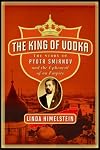
Russian history isn't usually about industrial moguls but 19th C Russia had its Morgans and Carnegies. The rags to riches story of Pyotr Smirnov and his "new money" children is a fascinating way to look at the big changes that happened in Russia during the 120 years from the start of the 19th century to about 1920, brought on by the twin social and economic revolutions that swept the world (democratic freedoms and industrial revolution). The first two-thirds of the book is mostly focused on show more the rise of Pyotr Smirnov during the later 30 years or so of the 19th century, the last third on the legacy of his sons and daughters and the brand in the 20th century. Pyotr Smirnov is the central character but considerable space is given to other members of his family so it's really the story of the Smirnov family, and of course the vodka brand. We learn about changing Russian attitudes towards alcohol consumption, changing Russia attitudes towards capitalism and the merchant class; and the consumption, production and sale of vodka and other "wines" as they were called. This is a very readable and intimate book and well worth the time for anyone interested in Russia history, for which vodka is central. show less
The King of Vodka: The Story of Pyotr Smirnov and the Upheaval of an Empire (P.S.) by Linda Himelstein

It's nice when a compelling story coincides with an interesting period of history. Typically, we learn about history by reviewing notable events that describe a period, war, regime, etc. Often missing, however, are the smaller stories of individuals, families, and businesses who ride out the ever-changing tides of time.
A portion of The King of Vodka is the rags-to-riches story of founder Pytor Smirnov, The son of a freed serf, the future Vodka King worked as an apprentice for an uncle before show more establishing a business with the aid of his father, who endeavored to join the merchant class. As the business grew, Smirnov increased his visibility among Moscow society by contributing to civic and religious institutions. He had his eye on the prize: certification by the office of the Tsar himself as official "purveyor," a status that wasn't lightly given to unknown applicants.
Pytor's story isn't the half of it though. We learn much about Russian history in this period leading up the revolution. Right about the time of Pytor's death, the government moved to take over the liquor business as a government monopoly, devastating companies such as Smirnov's, who had to rely on less popular, less profitable libations to stay afloat. The family maintained their upper-class connections, and when the communists swept in and did away with the aristocracy, some of the family was forced to flee the country under penalty of death. Capitalist ties were enough to get one executed under Papa Joe's rise.
Still, the company, or the idea of it, did not die. The Smirnov family still controlled the rights to the name and manufacturing formulas. Attempts to license production throughout Europe were of little financial gain, and one of Pytor's son's, Vladimir, who in his younger days abandon the vodka business for pursuits in entertainment and self-indulgence, was the unlikely savior of the brand. Shortly before his own death, Vladimir made a deal with another Russian ex-pat, this one living in the US. While traction was slow to come and interrupted by World War II, clever marketing propelled the brand to become the most popular spirit in the United States, generating billions of dollars per year in income. Of course, nothing in business is quite so clean; when Vladimir made his arrangements (rights that were subsequently sold), he did so without the consent of everyone who held shares in the Smirnov name. Much litigation ensued, and at least some of the Smirnov decedents are again involved in the brand.
How the company and principle characters reacted to the shifting political and social climates is the key story, however. Himelstein does a great job educating us about these shifting climates, the prime causes, and how the company anticipated and prepared for unfavorable outcomes. Anyone interested in history of this period will find it of interest; that it's about an alcohol concern is of little consequence as the author makes no attempt to aggrandize the liquor industry in particular. Vodka's prominence in Russia, for better or worse, makes it an effective tool to convey this remarkable story, however. show less
A portion of The King of Vodka is the rags-to-riches story of founder Pytor Smirnov, The son of a freed serf, the future Vodka King worked as an apprentice for an uncle before show more establishing a business with the aid of his father, who endeavored to join the merchant class. As the business grew, Smirnov increased his visibility among Moscow society by contributing to civic and religious institutions. He had his eye on the prize: certification by the office of the Tsar himself as official "purveyor," a status that wasn't lightly given to unknown applicants.
Pytor's story isn't the half of it though. We learn much about Russian history in this period leading up the revolution. Right about the time of Pytor's death, the government moved to take over the liquor business as a government monopoly, devastating companies such as Smirnov's, who had to rely on less popular, less profitable libations to stay afloat. The family maintained their upper-class connections, and when the communists swept in and did away with the aristocracy, some of the family was forced to flee the country under penalty of death. Capitalist ties were enough to get one executed under Papa Joe's rise.
Still, the company, or the idea of it, did not die. The Smirnov family still controlled the rights to the name and manufacturing formulas. Attempts to license production throughout Europe were of little financial gain, and one of Pytor's son's, Vladimir, who in his younger days abandon the vodka business for pursuits in entertainment and self-indulgence, was the unlikely savior of the brand. Shortly before his own death, Vladimir made a deal with another Russian ex-pat, this one living in the US. While traction was slow to come and interrupted by World War II, clever marketing propelled the brand to become the most popular spirit in the United States, generating billions of dollars per year in income. Of course, nothing in business is quite so clean; when Vladimir made his arrangements (rights that were subsequently sold), he did so without the consent of everyone who held shares in the Smirnov name. Much litigation ensued, and at least some of the Smirnov decedents are again involved in the brand.
How the company and principle characters reacted to the shifting political and social climates is the key story, however. Himelstein does a great job educating us about these shifting climates, the prime causes, and how the company anticipated and prepared for unfavorable outcomes. Anyone interested in history of this period will find it of interest; that it's about an alcohol concern is of little consequence as the author makes no attempt to aggrandize the liquor industry in particular. Vodka's prominence in Russia, for better or worse, makes it an effective tool to convey this remarkable story, however. show less
The King of Vodka: The Story of Pyotr Smirnov and the Upheaval of an Empire (P.S.) by Linda Himelstein
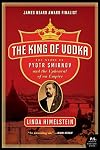
The story of a one-of-a-kind man, a Russian serf who became a tycoon, right at the confluence of capitalism and communism.
You know the end, Smirnoff vodka rules the world, a distinctly Russian drink that becomes a worldwide phenomenon. But the origin is interesting enough.
Pyotr Smirnov, an indentured servant, sees an opportunity at the last days of the Tsars and little by little builds a business and then a brand, and then an empire. He sought, and received, the imprimatur of the Tsar, and show more became a big-timer.
And then, revolution.
The whole thing comes crashing down as communists nationalize the business and Smirnov dies without his creation.
One of his sons, who didn’t really want in the business, takes over and resurrects the vodka and the family name.
Finally, Americans step in and take Smirnoff international – I didn’t know that part!
This is a really interesting look at alcohol, Russia and the forces that changed the world.
For more of my reviews, go to Ralphsbooks. show less
You know the end, Smirnoff vodka rules the world, a distinctly Russian drink that becomes a worldwide phenomenon. But the origin is interesting enough.
Pyotr Smirnov, an indentured servant, sees an opportunity at the last days of the Tsars and little by little builds a business and then a brand, and then an empire. He sought, and received, the imprimatur of the Tsar, and show more became a big-timer.
And then, revolution.
The whole thing comes crashing down as communists nationalize the business and Smirnov dies without his creation.
One of his sons, who didn’t really want in the business, takes over and resurrects the vodka and the family name.
Finally, Americans step in and take Smirnoff international – I didn’t know that part!
This is a really interesting look at alcohol, Russia and the forces that changed the world.
For more of my reviews, go to Ralphsbooks. show less
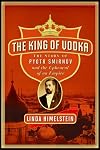
Chronicles the travails of the Smirnoff family and journey from Serfdom to Aristocracy. All of this is peppered with interesting historical anecdotes like the ignominious defeat of Russia in the Crimean war and then by the Japanese. The horrors visited by the Czar's secret police on it's poorer denizens and the repeat of the same with the Bolsheviks giving their former tormentors a taste of their own medicine during and after the Revolution.
Awards


Statistics
- Works
- 2
- Members
- 163
- Popularity
- #129,734
- Rating
- 4.0
- Reviews
- 7
- ISBNs
- 9
- Languages
- 2