

Simona Forti
Author of New Demons: Rethinking Power and Evil Today
About the Author
Simona Forti is Professor of Political Philosophy at the University of Piemonte Orientale in Italy. Simona Forti is Professor of Political Philosophy at the University of Piemonte Orientale in Italy.
Works by Simona Forti
Associated Works
Tagged
Common Knowledge
- Gender
- female
Members
Reviews
Totalitarianism: A Borderline Idea in Political Philosophy (Square One: First-Order Questions in the Humanities) by Simona Forti
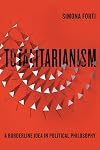
This book progresses from a good beginning to a bad middle and an annoying end.
In the first chapter the author gives a nice presentation of the Italian origins of the word totalitarianism. She then presents various thinkers from the 30s, 40s and 50s who had interesting things to say about totalitarianism, some even from personally lived experience. I liked these parts.
In chapter 3 she reviews how the major schools of German and French philosophy grappled with totalitarian politics in the show more 1960s, 70s and 80s. I must say that I find it unlikely that historians of the future will rate any of these "continental" philosophers particularly highly when they look back at their works a few centuries or millenia from now. The author's review of these works did not help me understand any aspect of totalitarianism better. The effect is instead the opposite. These philosophers did not express intelligible thoughts. The author adds more layers of confusion with opaque commentary which lacks clear meaning.
The final chapter really got on my nerves. The author presents a handful of strange 21st century books that find "totalitarianism" here and there in modern society: in islamism, in US war policies, in smartphones, in the management of pandemics, and so on. Needless to say, familiar names such as Heidegger, Derrida, Foucault also inspired this recent wave of confused thinking. The themes discussed in this chapter simply have nothing to do with totalitarianism, so I just browsed quickly to the end. It annoyed me that the author discusses all kinds of dumb ideas without even acknowledging that totalitarianism is still actively exercised in North Korea today.
All in all the author looks at totalitarianism from a strange vantage point. It's very narrow because it is limited to a few European schools of philosophy (the worst ones, unfortunately). On the other hand, it is broad because it's not anchored in political analysis, but drifts off to other topics. It becomes clear in the concluding chapter that this book could charitably be read as a philosophical argument to justify that lack of anchoring. In other words, the author wanted to explore the phenomenon of totalitarian power on a general level. But that exploration clearly did not yield any sensible results, so the claim cannot be taken seriously.
The author herself sums up this book perfectly at the very end (page 143): "Philosophy (...) should never work for simplification. Its practices of conceptualization and abstraction should, instead, work for the complication of established and preconceived theoretical boundaries". show less
In the first chapter the author gives a nice presentation of the Italian origins of the word totalitarianism. She then presents various thinkers from the 30s, 40s and 50s who had interesting things to say about totalitarianism, some even from personally lived experience. I liked these parts.
In chapter 3 she reviews how the major schools of German and French philosophy grappled with totalitarian politics in the show more 1960s, 70s and 80s. I must say that I find it unlikely that historians of the future will rate any of these "continental" philosophers particularly highly when they look back at their works a few centuries or millenia from now. The author's review of these works did not help me understand any aspect of totalitarianism better. The effect is instead the opposite. These philosophers did not express intelligible thoughts. The author adds more layers of confusion with opaque commentary which lacks clear meaning.
The final chapter really got on my nerves. The author presents a handful of strange 21st century books that find "totalitarianism" here and there in modern society: in islamism, in US war policies, in smartphones, in the management of pandemics, and so on. Needless to say, familiar names such as Heidegger, Derrida, Foucault also inspired this recent wave of confused thinking. The themes discussed in this chapter simply have nothing to do with totalitarianism, so I just browsed quickly to the end. It annoyed me that the author discusses all kinds of dumb ideas without even acknowledging that totalitarianism is still actively exercised in North Korea today.
All in all the author looks at totalitarianism from a strange vantage point. It's very narrow because it is limited to a few European schools of philosophy (the worst ones, unfortunately). On the other hand, it is broad because it's not anchored in political analysis, but drifts off to other topics. It becomes clear in the concluding chapter that this book could charitably be read as a philosophical argument to justify that lack of anchoring. In other words, the author wanted to explore the phenomenon of totalitarian power on a general level. But that exploration clearly did not yield any sensible results, so the claim cannot be taken seriously.
The author herself sums up this book perfectly at the very end (page 143): "Philosophy (...) should never work for simplification. Its practices of conceptualization and abstraction should, instead, work for the complication of established and preconceived theoretical boundaries". show less
Statistics
- Works
- 14
- Also by
- 1
- Members
- 51
- Popularity
- #311,766
- Rating
- 4.1
- Reviews
- 1
- ISBNs
- 17
- Languages
- 2