
Deborah Frances-White
Author of The Guilty Feminist: From Our Noble Goals to Our Worst Hypocrisies
About the Author
Works by Deborah Frances-White
Associated Works
Feminists Don't Wear Pink and Other Lies: Amazing Women on What the F-Word Means to Them (2018) — Contributor — 335 copies, 7 reviews
Tagged
Common Knowledge
- Canonical name
- Frances-White, Deborah
- Birthdate
- 1967-12-10
- Gender
- female
- Occupations
- stand-up comedian
screenwriter - Nationality
- Australia (birth)
- Places of residence
- London, England, UK
Members
Reviews
The Guilty Feminist: You Don't Have to Be Perfect to Overthrow the Patriarchy by Deborah Frances-White

I'm going to start with one ofthe drawbacks (for me -- specifically in regard to the audiobook), as much of the book is really great. I'm not sure, but many of the "interviews" seemed to be read (rather than the recorded originals), with Adjoa Andoh acting as the guest (?), but it was honestly hard to tell, and the credits on Audible are no help. Regardless if it is the actual guests reading their answers or not, it seemed rather artificial and I missed the organic quality of an interview. show more That aside...
I was not aware of Frances-White's podcast when I bought this book on Audible, so I came in with few expectations beyond liking the premise of "I'm a feminist, but..." One thing the author really drives home is how WOMEN can be so damn judgmental of each other and she decries the gatekeeping that happens in the name of "feminism." I appreciated that Frances-White seems to recognize that feminism is a broad term that can encompass a wide range of CHOICES (and that having the autonomy and agency to exercise those choices is REALLY the point).
Raised as a Jehovah's Witness, and now a comedian and podcaster, Frances-White comes at this topic with the exact lack of apology and forthrightness that needs to be there. She does love a metaphor, to be sure, but growing up as she did, I think driving a point home became an ingrained practice--sadly I'm sure much of it was internal for a good long time. Her ultimate goal seems to be to unite the different "sub-genres" of feminism against patriarchy, and I think that's a noble endeavor.
I'd quibble with some things, and what I'll say is that she seems to welcome dissent and argument. For her, women SHOULD disagree with each other (respectfully) but not to the point where our infighting undermines the larger goals. I felt there was a strong bias toward women being sexually repressed as a result of the patriarchy, and very little acknowledgment that some women may just not want sex, and might engage with it purely to share something with a beloved partner. There was also a subtext sometimes that "real" feminists behave badly, and I don't necessarily subscribe to that, but I certainly appreciated her points about how often women can sugarcoat their own anger because we are beholden to the social conditioning of being nurturers. I don't think shock value is always the right method, particularly if you carry white privilege-- it often comes at the expense of taking space AWAY from intersectional voices. Frances-White makes a concerted effort to be intersectional and that is a strength of the book -- particularly useful for white women who consider themselves feminists but travel exclusively in white packs of feminists or use various facets of their identity to play the "oppressed Olympics."
Sometimes the audio from the podcast where she mouths off on a particular topic made me feel a bit cynical. Delivering a speech on stage for a podcast where the audience is primarily full of fans is not quite the same as testifying before Parliament and some of these moments felt a bit self-congratulatory.
On accessibility. The interview with Becca (someone --- I wish she would have mentioned who the interviews were with at the end as well), made an excellent point about competing access needs, and that it is important to just be transparent about what your event is doing to be more accessible and try to mix it up so that you are moderately accessible to as diverse a crowd as possible. That seemed like really great advice and useful for those who instead throw up their hands in the face of "can't please all of the people all of the time" and end up choosing the status quo rather than even trying.
Reframing saying "yes to the dress" fell a bit flat for me, but in the same vein as the idea that being a b*itch is validated in the name of feminism (I'm overstating her point a bit here, I realize). Her point that some women become bridezillas because it is the only time of their lives that they are in complete control of everything didn't resonate...I think it is also a huge privilege and if you are going to be sh*tty to people when you are a bride, it just makes you sh*tty, feminist or not.
Her feminist readings of films (so-called "chick flicks"/rom-coms)? Dirty Dancing worked for me--it was a fairly compelling argument, and something of which I was probably semi-aware when I saw it as a young teenager. Pretty Woman on the other hand...Frances-White does acknowledge that it is still problematic and I get that her larger point is that rom-coms often center female autonomy within the context of whatever class level that is present. But as someone who often doesn't enjoy rom-coms, I guess I feel a reframing or re-contextualizing isn't necessary (but importantly, nor is an apology).
In other ways, however, her nuanced parsing of rude cat calling versus genuine complimenting was appreciated. Where it is difficult is that the metric is different for every woman: one person's compliment is another person's harassment.
Essentially, she really trying to message that women have choices and can make choices, and that the fighting among us is really underserving us, and can be as pernicious as the patriarchy. Having gone to a women's college, I'm particularly sympathetic to this viewpoint, and I wish that the women who could really benefit from hearing what she has to say are going to be the ones to pick up a book called "The Guilty Feminist". I've had fellow feminists, whom I consider friends, tell me I was "losing my identity" when I chose to take my husband's name. I've seen that evidently I am serving the patriarchy by preferring to shave my legs. I had a man YELL AT ME once because I held the door open for him when I sensed that he was following me into a coffee shop. "You shouldn't do that!!" he yelled, failing to grasp the irony of mansplaining to me about the patriarchy.
There are a lot of nuggets of wisdom here and some thoughtful reflection and even when I didn't always agree, I welcomed the space to think about these things. One last bit that I'll close with is a quote: "Hope without a plan of action is the doorway to depression." It is, most definitely, time for a plan of action, and I hope that we can find a way to embrace each other, with all our imperfections, to gather our collective hope and make a bold move. show less
I was not aware of Frances-White's podcast when I bought this book on Audible, so I came in with few expectations beyond liking the premise of "I'm a feminist, but..." One thing the author really drives home is how WOMEN can be so damn judgmental of each other and she decries the gatekeeping that happens in the name of "feminism." I appreciated that Frances-White seems to recognize that feminism is a broad term that can encompass a wide range of CHOICES (and that having the autonomy and agency to exercise those choices is REALLY the point).
Raised as a Jehovah's Witness, and now a comedian and podcaster, Frances-White comes at this topic with the exact lack of apology and forthrightness that needs to be there. She does love a metaphor, to be sure, but growing up as she did, I think driving a point home became an ingrained practice--sadly I'm sure much of it was internal for a good long time. Her ultimate goal seems to be to unite the different "sub-genres" of feminism against patriarchy, and I think that's a noble endeavor.
I'd quibble with some things, and what I'll say is that she seems to welcome dissent and argument. For her, women SHOULD disagree with each other (respectfully) but not to the point where our infighting undermines the larger goals. I felt there was a strong bias toward women being sexually repressed as a result of the patriarchy, and very little acknowledgment that some women may just not want sex, and might engage with it purely to share something with a beloved partner. There was also a subtext sometimes that "real" feminists behave badly, and I don't necessarily subscribe to that, but I certainly appreciated her points about how often women can sugarcoat their own anger because we are beholden to the social conditioning of being nurturers. I don't think shock value is always the right method, particularly if you carry white privilege-- it often comes at the expense of taking space AWAY from intersectional voices. Frances-White makes a concerted effort to be intersectional and that is a strength of the book -- particularly useful for white women who consider themselves feminists but travel exclusively in white packs of feminists or use various facets of their identity to play the "oppressed Olympics."
Sometimes the audio from the podcast where she mouths off on a particular topic made me feel a bit cynical. Delivering a speech on stage for a podcast where the audience is primarily full of fans is not quite the same as testifying before Parliament and some of these moments felt a bit self-congratulatory.
On accessibility. The interview with Becca (someone --- I wish she would have mentioned who the interviews were with at the end as well), made an excellent point about competing access needs, and that it is important to just be transparent about what your event is doing to be more accessible and try to mix it up so that you are moderately accessible to as diverse a crowd as possible. That seemed like really great advice and useful for those who instead throw up their hands in the face of "can't please all of the people all of the time" and end up choosing the status quo rather than even trying.
Reframing saying "yes to the dress" fell a bit flat for me, but in the same vein as the idea that being a b*itch is validated in the name of feminism (I'm overstating her point a bit here, I realize). Her point that some women become bridezillas because it is the only time of their lives that they are in complete control of everything didn't resonate...I think it is also a huge privilege and if you are going to be sh*tty to people when you are a bride, it just makes you sh*tty, feminist or not.
Her feminist readings of films (so-called "chick flicks"/rom-coms)? Dirty Dancing worked for me--it was a fairly compelling argument, and something of which I was probably semi-aware when I saw it as a young teenager. Pretty Woman on the other hand...Frances-White does acknowledge that it is still problematic and I get that her larger point is that rom-coms often center female autonomy within the context of whatever class level that is present. But as someone who often doesn't enjoy rom-coms, I guess I feel a reframing or re-contextualizing isn't necessary (but importantly, nor is an apology).
In other ways, however, her nuanced parsing of rude cat calling versus genuine complimenting was appreciated. Where it is difficult is that the metric is different for every woman: one person's compliment is another person's harassment.
Essentially, she really trying to message that women have choices and can make choices, and that the fighting among us is really underserving us, and can be as pernicious as the patriarchy. Having gone to a women's college, I'm particularly sympathetic to this viewpoint, and I wish that the women who could really benefit from hearing what she has to say are going to be the ones to pick up a book called "The Guilty Feminist". I've had fellow feminists, whom I consider friends, tell me I was "losing my identity" when I chose to take my husband's name. I've seen that evidently I am serving the patriarchy by preferring to shave my legs. I had a man YELL AT ME once because I held the door open for him when I sensed that he was following me into a coffee shop. "You shouldn't do that!!" he yelled, failing to grasp the irony of mansplaining to me about the patriarchy.
There are a lot of nuggets of wisdom here and some thoughtful reflection and even when I didn't always agree, I welcomed the space to think about these things. One last bit that I'll close with is a quote: "Hope without a plan of action is the doorway to depression." It is, most definitely, time for a plan of action, and I hope that we can find a way to embrace each other, with all our imperfections, to gather our collective hope and make a bold move. show less
The Guilty Feminist: You Don't Have to Be Perfect to Overthrow the Patriarchy by Deborah Frances-White
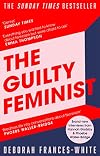
Best for:
Everyone, but especially feminists.
In a nutshell:
Comedian Deborah Frances-White, who hosts The Guilty Feminist podcast, brings together previous writing, interviews, and new observations on feminism and the search for equality.
Worth quoting:
I got the audio book, but I still took this one down in the notes app on my phone:
“When people get angry about gender quotas setting a target for 30% women on boards or one woman on a panel show of five to seven men, we need to remind them that show more positive discrimination was alive and well and 100% in men’s favor for thousands of years.”
Why I chose it:
I’d not heard of the podcast until a colleague mentioned it to me last year. Then the book popped up as a suggestion so I bought it.
Review:
Ah, I loved this book. I even went and downloaded all 200+ of the back catalog of the podcast to listen to in the future. I also plan to buy the paper copy and read and review it next year, as I think there’s a lot that deserves a more closer reading.
This is a fun book, but it’s not a light book, if that makes sense. Frances-White delves into serious topics, and is open about areas she (as white, cis, middle-class woman) is not nearly as well-versed in as others who experience multiple areas of oppression. Each chapter involves an interview with someone who can provide some insight that Frances-White cannot, such as Hannah Gadsby discussing her experience with Nanette, or Leyla Hussein discussing her campaign against FGM.
Frances-White talks about ways to build confidence, using some pretty bang-on examples about why it isn’t just about standing in a power pose (though she doesn’t knock the power pose as a concept). She looks at the history of discrimination, and discussed the intersections that mean a white woman like myself doesn’t experience sexism in the way a disabled woman of color does. She also spends time on discrimination and access issues for disabled women, which I haven’t seen covered as much in other feminist books that aren’t specifically about that concern.
I found the book inspiring, both as a way to speak up more for myself but even more about how to be supportive of other fights. I didn’t agree with EVERYTHING Frances-White had to say (I think she’s probably … nicer than I am), but I found it all interesting.
I also thoroughly enjoyed the I’m a feminist but … statements that she and those she interviewed shared. For those not familiar, it’s a common aspect of the podcast. I’m a feminist but … followed by something that one would traditionally mock or shun or consider too shallow to be reconciled with being a feminist. I love it. We’re all complex. One can do a sit-in for a ban on evictions and also really enjoy wearing high heels. It’s not an either or. Every choice is NOT a feminist one just because a woman made it, but similarly, people are allowed to be complex and have different interests and ways of recharging.
Keep it / Pass to a Friend / Donate it / Toss it:
Keep it show less
Everyone, but especially feminists.
In a nutshell:
Comedian Deborah Frances-White, who hosts The Guilty Feminist podcast, brings together previous writing, interviews, and new observations on feminism and the search for equality.
Worth quoting:
I got the audio book, but I still took this one down in the notes app on my phone:
“When people get angry about gender quotas setting a target for 30% women on boards or one woman on a panel show of five to seven men, we need to remind them that show more positive discrimination was alive and well and 100% in men’s favor for thousands of years.”
Why I chose it:
I’d not heard of the podcast until a colleague mentioned it to me last year. Then the book popped up as a suggestion so I bought it.
Review:
Ah, I loved this book. I even went and downloaded all 200+ of the back catalog of the podcast to listen to in the future. I also plan to buy the paper copy and read and review it next year, as I think there’s a lot that deserves a more closer reading.
This is a fun book, but it’s not a light book, if that makes sense. Frances-White delves into serious topics, and is open about areas she (as white, cis, middle-class woman) is not nearly as well-versed in as others who experience multiple areas of oppression. Each chapter involves an interview with someone who can provide some insight that Frances-White cannot, such as Hannah Gadsby discussing her experience with Nanette, or Leyla Hussein discussing her campaign against FGM.
Frances-White talks about ways to build confidence, using some pretty bang-on examples about why it isn’t just about standing in a power pose (though she doesn’t knock the power pose as a concept). She looks at the history of discrimination, and discussed the intersections that mean a white woman like myself doesn’t experience sexism in the way a disabled woman of color does. She also spends time on discrimination and access issues for disabled women, which I haven’t seen covered as much in other feminist books that aren’t specifically about that concern.
I found the book inspiring, both as a way to speak up more for myself but even more about how to be supportive of other fights. I didn’t agree with EVERYTHING Frances-White had to say (I think she’s probably … nicer than I am), but I found it all interesting.
I also thoroughly enjoyed the I’m a feminist but … statements that she and those she interviewed shared. For those not familiar, it’s a common aspect of the podcast. I’m a feminist but … followed by something that one would traditionally mock or shun or consider too shallow to be reconciled with being a feminist. I love it. We’re all complex. One can do a sit-in for a ban on evictions and also really enjoy wearing high heels. It’s not an either or. Every choice is NOT a feminist one just because a woman made it, but similarly, people are allowed to be complex and have different interests and ways of recharging.
Keep it / Pass to a Friend / Donate it / Toss it:
Keep it show less
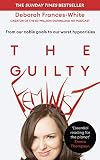
Anecdotes and interviews, really focusing on female minorities. By the cover I was expecting to be amused, but found this a bit too earnest & right-on, and reminded me of the humourless feminism of the seventies, but interesting enough to sample a couple of podcasts which were more light hearted, and I will listen to more.
Some interesting takes on things, such as seeing people not as disabled, but disabled by the environment they have to function in (ie access to buildings without ramps if show more you use a wheelchair).
Plenty of interviews with activists about what they do, but not particularly about goals and hypocrisies as advertised on the cover. show less
Some interesting takes on things, such as seeing people not as disabled, but disabled by the environment they have to function in (ie access to buildings without ramps if show more you use a wheelchair).
Plenty of interviews with activists about what they do, but not particularly about goals and hypocrisies as advertised on the cover. show less
Awesome. Funny. Fantastic. Does not ignore race, disability, trans women... Very accessible and easy to read. Recommended for everyone.
You May Also Like
Associated Authors
Statistics
- Works
- 6
- Also by
- 2
- Members
- 191
- Popularity
- #114,254
- Rating
- 4.0
- Reviews
- 5
- ISBNs
- 18