
David Grew (1887–1971)
Author of The sorrel stallion: The horse that came home (Famous horse stories)
Works by David Grew
Migration 1 copy
Paddy Points the Way 1 copy
Tagged
Common Knowledge
Members
Reviews

A very nice book that I would recommend, but not quite as exiting as some of the bigger classic old dog stories. It is one of the 27 books that is in the Grosset & Dunlap Famous Dog Story book editions. This one was published in 1946.
I don’t want to give much away beyond what the summary tells you, but a boy having to survive on his own with just his dog is a good part of it, which is a common theme in some books, but would be a very scary thought to happen now and would be much harder to show more live off the land.
I loved how the author describes the thoughts and growth of puppies from birth onward. Here is an example of that about how the dog comes to think of the boy:
‘Dwight grew from a mere odor which was different from all other odors, a color with a peculiar brightness, a touch which, unlike fur, was just as pleasant, into a definite being as important as his mother.’
Here is another example from when the puppy is older and an interpretation of how a dog thinks of scents:
‘A good deal of his enthusiasm for sniffing at things came from the vague hunger in his puppy soul for his mother and his sisters and brothers, a vague puppy hope that as he sniffed the various things in his reach, he might suddenly come upon them. But that anxious sniffing, like the ‘why’s’ of a little child, taught him a great deal about his new world into which he had come.’
I also like to note how authors describes Whitepaw after he grows to adulthood:
‘At the end of that happy summer, Whitepaw came to his full size, as big as a calf, his tawny hair sleek and rich with a dark tingle, his breast white and fluffy, his slender legs remarkably white-tipped, his great, understanding, lively eyes radiant with the love he bore everybody, well-mannered, well-behaved, with a sense of humor as evident as the good-will that glowed all over him.’
This would be a very good story to read with a youth or older child, perhaps to think about if they had to be independent in the wild and take on challenges. The dog also faces challenges on his own, at times maybe to do things a little brutally to survive. For example, he is forced to defend himself against another dog and he has to hurt the other dog pretty badly (twice), but I think it is good to have some tough things happen in a book to help discuss about real life tough things like dogs loose in a city. Hope you get to read this along with all the other Famous Dog Stories. show less
I don’t want to give much away beyond what the summary tells you, but a boy having to survive on his own with just his dog is a good part of it, which is a common theme in some books, but would be a very scary thought to happen now and would be much harder to show more live off the land.
I loved how the author describes the thoughts and growth of puppies from birth onward. Here is an example of that about how the dog comes to think of the boy:
‘Dwight grew from a mere odor which was different from all other odors, a color with a peculiar brightness, a touch which, unlike fur, was just as pleasant, into a definite being as important as his mother.’
Here is another example from when the puppy is older and an interpretation of how a dog thinks of scents:
‘A good deal of his enthusiasm for sniffing at things came from the vague hunger in his puppy soul for his mother and his sisters and brothers, a vague puppy hope that as he sniffed the various things in his reach, he might suddenly come upon them. But that anxious sniffing, like the ‘why’s’ of a little child, taught him a great deal about his new world into which he had come.’
I also like to note how authors describes Whitepaw after he grows to adulthood:
‘At the end of that happy summer, Whitepaw came to his full size, as big as a calf, his tawny hair sleek and rich with a dark tingle, his breast white and fluffy, his slender legs remarkably white-tipped, his great, understanding, lively eyes radiant with the love he bore everybody, well-mannered, well-behaved, with a sense of humor as evident as the good-will that glowed all over him.’
This would be a very good story to read with a youth or older child, perhaps to think about if they had to be independent in the wild and take on challenges. The dog also faces challenges on his own, at times maybe to do things a little brutally to survive. For example, he is forced to defend himself against another dog and he has to hurt the other dog pretty badly (twice), but I think it is good to have some tough things happen in a book to help discuss about real life tough things like dogs loose in a city. Hope you get to read this along with all the other Famous Dog Stories. show less
A very nice book that I would recommend, but not quite as exiting as some of the bigger classic old dog stories. It is one of the 27 books that is in the Grosset & Dunlap Famous Dog Story book editions. This one was published in 1946.
I don’t want to give much away beyond what the summary tells you, but a boy having to survive on his own with just his dog is a good part of it, which is a common theme in some books, but would be a very scary thought to happen now and would be much harder to show more live off the land.
I loved how the author describes the thoughts and growth of puppies from birth onward. Here is an example of that about how the dog comes to think of the boy:
‘Dwight grew from a mere odor which was different from all other odors, a color with a peculiar brightness, a touch which, unlike fur, was just as pleasant, into a definite being as important as his mother.’
Here is another example from when the puppy is older and an interpretation of how a dog thinks of scents:
‘A good deal of his enthusiasm for sniffing at things came from the vague hunger in his puppy soul for his mother and his sisters and brothers, a vague puppy hope that as he sniffed the various things in his reach, he might suddenly come upon them. But that anxious sniffing, like the ‘why’s’ of a little child, taught him a great deal about his new world into which he had come.’
I also like to note how authors describes Whitepaw after he grows to adulthood:
‘At the end of that happy summer, Whitepaw came to his full size, as big as a calf, his tawny hair sleek and rich with a dark tingle, his breast white and fluffy, his slender legs remarkably white-tipped, his great, understanding, lively eyes radiant with the love he bore everybody, well-mannered, well-behaved, with a sense of humor as evident as the good-will that glowed all over him.’
This would be a very good story to read with a youth or older child, perhaps to think about if they had to be independent in the wild and take on challenges. The dog also faces challenges on his own, at times maybe to do things a little brutally to survive. For example, he is forced to defend himself against another dog and he has to hurt the other dog pretty badly (twice), but I think it is good to have some tough things happen in a book to help discuss about real life tough things like dogs loose in a city. Hope you get to read this along with all the other Famous Dog Stories. show less
I don’t want to give much away beyond what the summary tells you, but a boy having to survive on his own with just his dog is a good part of it, which is a common theme in some books, but would be a very scary thought to happen now and would be much harder to show more live off the land.
I loved how the author describes the thoughts and growth of puppies from birth onward. Here is an example of that about how the dog comes to think of the boy:
‘Dwight grew from a mere odor which was different from all other odors, a color with a peculiar brightness, a touch which, unlike fur, was just as pleasant, into a definite being as important as his mother.’
Here is another example from when the puppy is older and an interpretation of how a dog thinks of scents:
‘A good deal of his enthusiasm for sniffing at things came from the vague hunger in his puppy soul for his mother and his sisters and brothers, a vague puppy hope that as he sniffed the various things in his reach, he might suddenly come upon them. But that anxious sniffing, like the ‘why’s’ of a little child, taught him a great deal about his new world into which he had come.’
I also like to note how authors describes Whitepaw after he grows to adulthood:
‘At the end of that happy summer, Whitepaw came to his full size, as big as a calf, his tawny hair sleek and rich with a dark tingle, his breast white and fluffy, his slender legs remarkably white-tipped, his great, understanding, lively eyes radiant with the love he bore everybody, well-mannered, well-behaved, with a sense of humor as evident as the good-will that glowed all over him.’
This would be a very good story to read with a youth or older child, perhaps to think about if they had to be independent in the wild and take on challenges. The dog also faces challenges on his own, at times maybe to do things a little brutally to survive. For example, he is forced to defend himself against another dog and he has to hurt the other dog pretty badly (twice), but I think it is good to have some tough things happen in a book to help discuss about real life tough things like dogs loose in a city. Hope you get to read this along with all the other Famous Dog Stories. show less
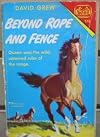
Mr. Grew lived in North Dakota as a child, according to the first page of this paperback; this book and others are based on his childhood. I read this while I was probably in junior high school and we had a TAB book monthly program and I liked it enough to save it for all these years. I think Queen is a wild horse who is captured and finally set free to live out her life on the prairie with other horses. There are pen sketches throughout the book, but the illustrator is not listed.
Lists
Statistics
- Works
- 10
- Members
- 99
- Popularity
- #191,537
- Rating
- 3.9
- Reviews
- 3
- ISBNs
- 5