
Mike Shevdon
Author of Sixty-One Nails
Series
Works by Mike Shevdon
Tagged
Common Knowledge
- Gender
- male
- Nationality
- UK
UK - Birthplace
- Yorkshire, England, UK
- Places of residence
- Bedfordshire, England, UK
- Associated Place (for map)
- England, UK
Members
Reviews
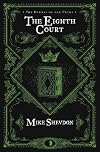
I ended this book thinking "what? no. wait, what?" not because I was confused but because I was stunned by the ending. Pleased, but stunned. I'm going to miss these characters, yes, even Dogstar, pain in the ass man though he could be. Most of all, I'm dying to know what happens now.
We went from eight courts to no courts. Most of the members of the High Court are dead. Many of their courts are dead. Blackbird's left, will she take charge? Is that what's next for her? Will she, half-human half-fae, lead them all? Will they let her? Will her and Dogstar's son rule after her? Is Dogstar really, truly dead? He's been there on the shores before and come home, so will he--can he--do that now? And what happens to my beloved teenaged, growing up so fast, Alex?
This book left me wanting much more, which is, I think, the mark of a good book and a good series. show less
We went from eight courts to no courts. Most of the members of the High Court are dead. Many of their courts are dead. Blackbird's left, will she take charge? Is that what's next for her? Will she, half-human
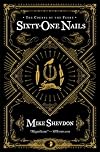
A book in need of a good editor. Far too long and mostly comprised of endless dialogue explaining what's going on instead of actually showing the reader what's going on. It's a decent fantasy story once you actually get to it but there's far too much ponderous exposition to slog through before that happens. And the major focal point of the plot - the Quit Rents Ceremony - is a major letdown when it finally occurs. Needless to say I doubt I'll be picking up any more books in the series.
For me, the highlight of Sixty-One Nails was the way Mike Shevdon linked the plot line with an ancient ceremony that is still taking place in current day London. I found this to be quite interesting. Although I found it a bit slow at times and a little repetitive, the story was fantastic!!! As Niall is supposed to be the main focus of the story and readers are viewing the whole story through his eyes, he seemed to be a bit too laid back. His reactions to the events that are happening to him show more and the changes around him came across as indifferent. He understood and came to grips with his power a little too quickly for my liking. This may be a result of the fact that I found Blackbird's character to be more interesting then Niall. Maybe the author intended it to be so... I am looking forward to the trials Rabbit and Blackbird will face in The Road to Bedlam. show less
Sitting near the peak of popularity among readers, the urban fantasy genre suffers for its pre-eminent position. As publishers and authors rush to capitalize upon the fresh interest for readers, interesting and critically developed stories tend to fall through the cracks. One bland cover of a hard-bitten model slinging a gun or astride a sleek motorcycle on a rainy night blends into another. The new release shelves, whether wooden or digital, groan under the combined weight of doppelganger show more stories featuring the same tired-out tropes: quirky investigator, witty girl-about-town with ninja skills, the titanically powerful supernatural love interest du jour. It takes a great deal of talent, aptitude, and incredible social networking or effort to stand out among the jumbled sea.
That's not to say urban fantasy does not have its luminaries. With a truly rich tradition of contemporary storytellers and mythweavers in our midst, ranging from the perennially amazing Neil Gaiman and China Mieville or Charles de Lint to a new crop of potent English, Australian, and American authors, the genre is in no danger of dying out completely. The challenge for me as a reader is isolating out works of quality, a cut above the usual derivative Anita Blake/Twilight drivel. Fantasy, folklore, and whimsical flights of fancy based on modern settings influence my own writing. My reading habits certainly favour the best of these authors, so I am glad to see Mike Shevdon and his publisher, Angry Robot, reaching these shores.
Angry Robot is very much like Pyr, a niche publisher excelling in finding those touchstone books veering away from the standard fare available on Amazon or in the bookstores. I am consistently impressed by their offerings. I may not like everything they present with the passion of a thousand burning suns, but their catalogue of releases gets a good review from me every season and I eagerly anticipate what new author they bring to my hot little North American hands. I have a special fondness for British wit, humour, and spelling -- being a Canadian myself, I bridge the gap between both giant audiences -- and a deep love for how so many talented British authors tap into two thousand plus years of history and culture to enrich their work. Definitely keep an eye on Angry Robot; their editorial team and agents are well on their way to establishing a reputation for top notch work.
Along comes Mr. Shevdon, steeped in Oxfordian and English history, presenting what could be another bundle of bland pablum. Niall Petersen is about as unexciting a fellow as a protagonist can be, a mid-40s divorce employed in the City for a heartless, soul-sucking corporation in one of those inevitably dreary careers of finance, business, and managerial horrors. While fighting off the displeasure of his ex-wife and inevitable teenage troubles with his daughter, Alex, Niall suffers a heart attack on the Underground platform in the early chapters of the book. Game over. Or is it?
Niall awakens not just to a little old lady and bemused paramedics, but a whole new world hidden just beyond the veil. Standbys of faerie stories -- nereids and naiads, trolls, piskies and boggans -- from a broad slice of European tradition exist all around mankind, going about their business, trying to hold on against the advance of human society. While this may read like the start of a dozen other popular novels in the genre, Shevdon makes the concept work. Solid world-building never becomes a Silmarillion-sized epic to absorb before you ever get to the story. He uses Niall effectively as a device to peel back the onion-skin layers, taking the reader along and subjecting them to the occasional slap over the head by Niall's guide/guardian, Blackbird, a half-breed fae of considerable experience and sardonic wit. Blackbird is a force in her own right, but she nimbly avoids turning into a completely self-sufficient, uber-princess of the Mary Sue variety like Anita Blake, to name a well-known heroine without many flaws.
It turns out Niall's metamorphosis catalyzes his fae background, making him a half-breed. The fae suffer the usual problem with fertility, so interbreeding with humans has been going on since time immemorial, with a few stiuplations. Ancient rituals based on real life traditions of the British monarchy and legal system (which are historically fascinating in their own right; these relics from King John's time have been preserved for centuries unbroken) keep the Fey and humanity balanced, more or less, as a sort of pact for continued survial. Unfortunately for Niall, he learns he belongs to the one court among the Seven Courts of the Fey who have quite the bone to pick with the Fey who sully their bloodlines by intermingling with humans. Calling themselves the Untainted, these wraiths and ghosts want nothing more than wholesale genocide against the fey-bred population of humanity right down to the slightest drop of fey blood.
Against this larger backdrop, the story personalizes this problem through the lens of Niall and Blackbird's nascent relationship. Established prejudices greatly influence how and why characters act the way they do, with extremely believable reactions and consequences. Shevdon doesn't pull punches, and painfully human errors lead to a string of preventable events that only make matters more difficult in a precarious situation. When the Untainted decide they want to run amok upon Earth, decimating the half-breeds, it becomes a matter of time and a run against the clock to restore the ceremonies which keep them exiled to the Otherworld.
Mike Shevdon seamlessly incorporates historical events and details around an elaborate suite of faerie tales and intense, rich characters. He manages to keep all the balls in the air, rarely stumbling or revealing the amount of labour it takes to succeed at the craft. His deft touch does without many of the tools used by other authors in the genre; he doesn't have elaborate, complex fight scenes or one disaster after another, rife with Michael Bey-esque explosions. His greatest accomplishment may be telling the human side of an epic with worldwide consequences, and yet somehow keeping the literary camera tight upon some of the main players. His world reacts to their efforts and the characters, in return, react to what happens around them. His England is a subtle place of many watercolour shades plied atop one another.
Sixty-One Nails is a remarkable debut, and deserves a long, slow read to savour all the intricacies played in. Its complement, The Road to Bedlam, I gobbled up the day after reading this. Two more in the series are being picked up by Angry Robot as of this review, and I eagerly anticipate their arrival. show less
That's not to say urban fantasy does not have its luminaries. With a truly rich tradition of contemporary storytellers and mythweavers in our midst, ranging from the perennially amazing Neil Gaiman and China Mieville or Charles de Lint to a new crop of potent English, Australian, and American authors, the genre is in no danger of dying out completely. The challenge for me as a reader is isolating out works of quality, a cut above the usual derivative Anita Blake/Twilight drivel. Fantasy, folklore, and whimsical flights of fancy based on modern settings influence my own writing. My reading habits certainly favour the best of these authors, so I am glad to see Mike Shevdon and his publisher, Angry Robot, reaching these shores.
Angry Robot is very much like Pyr, a niche publisher excelling in finding those touchstone books veering away from the standard fare available on Amazon or in the bookstores. I am consistently impressed by their offerings. I may not like everything they present with the passion of a thousand burning suns, but their catalogue of releases gets a good review from me every season and I eagerly anticipate what new author they bring to my hot little North American hands. I have a special fondness for British wit, humour, and spelling -- being a Canadian myself, I bridge the gap between both giant audiences -- and a deep love for how so many talented British authors tap into two thousand plus years of history and culture to enrich their work. Definitely keep an eye on Angry Robot; their editorial team and agents are well on their way to establishing a reputation for top notch work.
Along comes Mr. Shevdon, steeped in Oxfordian and English history, presenting what could be another bundle of bland pablum. Niall Petersen is about as unexciting a fellow as a protagonist can be, a mid-40s divorce employed in the City for a heartless, soul-sucking corporation in one of those inevitably dreary careers of finance, business, and managerial horrors. While fighting off the displeasure of his ex-wife and inevitable teenage troubles with his daughter, Alex, Niall suffers a heart attack on the Underground platform in the early chapters of the book. Game over. Or is it?
Niall awakens not just to a little old lady and bemused paramedics, but a whole new world hidden just beyond the veil. Standbys of faerie stories -- nereids and naiads, trolls, piskies and boggans -- from a broad slice of European tradition exist all around mankind, going about their business, trying to hold on against the advance of human society. While this may read like the start of a dozen other popular novels in the genre, Shevdon makes the concept work. Solid world-building never becomes a Silmarillion-sized epic to absorb before you ever get to the story. He uses Niall effectively as a device to peel back the onion-skin layers, taking the reader along and subjecting them to the occasional slap over the head by Niall's guide/guardian, Blackbird, a half-breed fae of considerable experience and sardonic wit. Blackbird is a force in her own right, but she nimbly avoids turning into a completely self-sufficient, uber-princess of the Mary Sue variety like Anita Blake, to name a well-known heroine without many flaws.
It turns out Niall's metamorphosis catalyzes his fae background, making him a half-breed. The fae suffer the usual problem with fertility, so interbreeding with humans has been going on since time immemorial, with a few stiuplations. Ancient rituals based on real life traditions of the British monarchy and legal system (which are historically fascinating in their own right; these relics from King John's time have been preserved for centuries unbroken) keep the Fey and humanity balanced, more or less, as a sort of pact for continued survial. Unfortunately for Niall, he learns he belongs to the one court among the Seven Courts of the Fey who have quite the bone to pick with the Fey who sully their bloodlines by intermingling with humans. Calling themselves the Untainted, these wraiths and ghosts want nothing more than wholesale genocide against the fey-bred population of humanity right down to the slightest drop of fey blood.
Against this larger backdrop, the story personalizes this problem through the lens of Niall and Blackbird's nascent relationship. Established prejudices greatly influence how and why characters act the way they do, with extremely believable reactions and consequences. Shevdon doesn't pull punches, and painfully human errors lead to a string of preventable events that only make matters more difficult in a precarious situation. When the Untainted decide they want to run amok upon Earth, decimating the half-breeds, it becomes a matter of time and a run against the clock to restore the ceremonies which keep them exiled to the Otherworld.
Mike Shevdon seamlessly incorporates historical events and details around an elaborate suite of faerie tales and intense, rich characters. He manages to keep all the balls in the air, rarely stumbling or revealing the amount of labour it takes to succeed at the craft. His deft touch does without many of the tools used by other authors in the genre; he doesn't have elaborate, complex fight scenes or one disaster after another, rife with Michael Bey-esque explosions. His greatest accomplishment may be telling the human side of an epic with worldwide consequences, and yet somehow keeping the literary camera tight upon some of the main players. His world reacts to their efforts and the characters, in return, react to what happens around them. His England is a subtle place of many watercolour shades plied atop one another.
Sixty-One Nails is a remarkable debut, and deserves a long, slow read to savour all the intricacies played in. Its complement, The Road to Bedlam, I gobbled up the day after reading this. Two more in the series are being picked up by Angry Robot as of this review, and I eagerly anticipate their arrival. show less
Lists
You May Also Like


Associated Authors
Statistics
- Works
- 4
- Members
- 1,110
- Popularity
- #23,140
- Rating
- 3.7
- Reviews
- 36
- ISBNs
- 25
- Languages
- 1
- Favorited
- 2