
Becky Hall
Author of A is for Arches: A Utah Alphabet
Works by Becky Hall
Tagged
Common Knowledge
- Gender
- female
Members
Reviews

In this elementary chapter book from Becky Hall - there are nine chapters, but each one is only two or three pages - the story of Morris Frank, a blind young man living in 1920s Nashville, who became the first American recipient of a seeing-eye dog, and went on to help others, by founding The Seeing Eye, is simply and effectively told. Blinded in a boxing accident at the age of sixteen, Morris was dependent on human guides to get around, and when he traveled to Switzerland, after reading an show more article about German shepherds being bred to aid soldiers blinded in WWI, he had to be shipped as a "package," by American Express! Once in Switzerland, at the estate of wealthy American Dorothy Harrison Eustis, Morris met his very first canine helper, Buddy (originally named Kiss!), and began training with her...
Informative and engaging, Morris and Buddy is everything that a children's biography should be! The narrative draws the reader into the story, making her feel as if she is in Morris's shoes. The text is simple enough to be read by elementary school students, but doesn't feel dumbed down, giving plenty of information about its fascinating subject. The artwork, which ranges from full-page paintings to inset chapter-heading illustrations, is appealing and warm, capturing Morris's feelings - trepidation, joy - in each scene, and Buddy's alert beauty. Highly recommended to young readers interested in seeing-eye dogs, and how they first came to be used in this most impressive canine-human partnership. show less
Informative and engaging, Morris and Buddy is everything that a children's biography should be! The narrative draws the reader into the story, making her feel as if she is in Morris's shoes. The text is simple enough to be read by elementary school students, but doesn't feel dumbed down, giving plenty of information about its fascinating subject. The artwork, which ranges from full-page paintings to inset chapter-heading illustrations, is appealing and warm, capturing Morris's feelings - trepidation, joy - in each scene, and Buddy's alert beauty. Highly recommended to young readers interested in seeing-eye dogs, and how they first came to be used in this most impressive canine-human partnership. show less
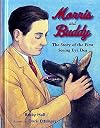
Morris and Buddy: The Story of the First Seeing Eye Dog does exactly what the title says, it tells the story of the first seeing eye dog. The story starts off giving us background information on how Morris Frank lost his vision and how he lived his life afterwards. I enjoyed this section throughly because it goes into detail about he was determined to "lead a typical life." Afterwards we learned how Dorothy Eustis and Jack Humphery trained Buddy and Morris to be the dynamic duo that gives show more independence back to blind people in America. The illustrations aid in showing how much of a challenge Morris went through training with Buddy, the happiness he gained once he was independent and the shock of Americans when they realized a seeing eye dog could be as good as a human guide. Morris and Buddy is an inspiring story that can teach people of all ages about stepping out to try something new even if it's something small and how to persevere through a rough transition like having to learn and trust someone else with your life. show less
This is a great little story that gives life to a topic we don't know much about from a historical perspective, the story of the first seeing eye dog. The simple text is more geared for younger audiences, but the story is interesting nonetheless. The pictures portray the events in the story and add visuals to the text, which explains more from a blind person's point of view. It's descriptive in a way that a blind person would describe something; it's based on touch, which I loved, since it's show more about a blind man named Morris who gets his chance at living independently through a seeing eye dog named Buddy. Morris and Buddy became the first seeing eye team in the United States and they fought for rights for handicapped people. Morris also opened a dog training school in the US, where he helped thousands of people get a seeing eye dog and become more independent. It's an uplifting story that most students would enjoy, especially for the new perspective. show less
After an unfortunate boxing accident, Morris was left blind. Still, Morris did not give up the fight. He attended college at Vanderbilt University in Nashville and also had a job selling insurance. Morris wanted to live a normal life like everyone else. The only problem was, he had to depend on a human guide to do everything.
Then, one day, when Morris heard about Dorothy Harrison Eustis’s visit to Germany where she had visited a dog training facility for victims who were blinded in World show more War I, he gained hope. After writing Mrs. Eustis, she invited Morris to Switzerland. There, Morris met Mrs. Eustis and another dog trainer named Jack.
Once Morris was evaluated, Jack paired Morris with a dog named Kiss. Morris did not like this name so he changed the dog’s name to Buddy. Before Morris and Jack were even allowed to start practicing walking with the harness, Morris first had to develop a relationship with Buddy and make her believe he was her owner since she still felt Jack was. Morris fed and walked Buddy every day. He also practiced putting the harness on Buddy.
Finally, Morris was ready to start training with Buddy. Morris was excited at first, but his excitement soon turned to hopelessness. His first day of training had not gone as expected. Morris returned with bumps and bruises. He had not listened well or trusted Buddy the first day either.
After Jack had a talk with Morris, he was once again encouraged. He realized that Buddy was already trained and would help him. They were in it together, and he had to be able to put his full trust into Buddy. She was now his eyes.
Eventually, Morris was able to start doing things on his own, with the help of his dog. He went to the barber, crossed streets, and rode the cable car without anyone else tagging along. When Buddy saved Morris from runaway horses that would have trampled him, Morris was finally able to put his full trust into Buddy.
Once Morris returned to the U.S. he had an even bigger plan. He wanted to start his own guide dog school for the blind. First he had to convince the public that a guide dog was safe. When a reporter challenged Morris to cross Death Street with only the guide of his dog, Morris accepted the challenge and succeeded. The public was astonished by this and Morris was off to a great start to open his school.
Although the book ended with Morris crossing Death Street, the afterword describes Morris’s life and success with his school after his return to America. I felt this was a good way to give the readers insight on Morris’s accomplishments later in life.
The book offers an inspiring message to readers. Morris’s bravery, courage, and determination are admirable traits that remind you to never to give up. show less
Then, one day, when Morris heard about Dorothy Harrison Eustis’s visit to Germany where she had visited a dog training facility for victims who were blinded in World show more War I, he gained hope. After writing Mrs. Eustis, she invited Morris to Switzerland. There, Morris met Mrs. Eustis and another dog trainer named Jack.
Once Morris was evaluated, Jack paired Morris with a dog named Kiss. Morris did not like this name so he changed the dog’s name to Buddy. Before Morris and Jack were even allowed to start practicing walking with the harness, Morris first had to develop a relationship with Buddy and make her believe he was her owner since she still felt Jack was. Morris fed and walked Buddy every day. He also practiced putting the harness on Buddy.
Finally, Morris was ready to start training with Buddy. Morris was excited at first, but his excitement soon turned to hopelessness. His first day of training had not gone as expected. Morris returned with bumps and bruises. He had not listened well or trusted Buddy the first day either.
After Jack had a talk with Morris, he was once again encouraged. He realized that Buddy was already trained and would help him. They were in it together, and he had to be able to put his full trust into Buddy. She was now his eyes.
Eventually, Morris was able to start doing things on his own, with the help of his dog. He went to the barber, crossed streets, and rode the cable car without anyone else tagging along. When Buddy saved Morris from runaway horses that would have trampled him, Morris was finally able to put his full trust into Buddy.
Once Morris returned to the U.S. he had an even bigger plan. He wanted to start his own guide dog school for the blind. First he had to convince the public that a guide dog was safe. When a reporter challenged Morris to cross Death Street with only the guide of his dog, Morris accepted the challenge and succeeded. The public was astonished by this and Morris was off to a great start to open his school.
Although the book ended with Morris crossing Death Street, the afterword describes Morris’s life and success with his school after his return to America. I felt this was a good way to give the readers insight on Morris’s accomplishments later in life.
The book offers an inspiring message to readers. Morris’s bravery, courage, and determination are admirable traits that remind you to never to give up. show less
Awards


You May Also Like
Associated Authors
Statistics
- Works
- 5
- Members
- 146
- Popularity
- #141,735
- Rating
- 3.9
- Reviews
- 15
- ISBNs
- 12