
Epeli Hau'ofa (1939–2009)
Author of Tales of the Tikongs
About the Author
Works by Epeli Hau'ofa
Associated Works
Tagged
Common Knowledge
- Birthdate
- 1939-12-07
- Date of death
- 2009-01-11
- Gender
- male
- Occupations
- lecturer
writer - Nationality
- Fiji
- Birthplace
- Papua New Guinea
- Places of residence
- Wainadoi, Fiji
Papua New Guinea
Tonga
Fiji - Place of death
- Suva, Fiji
- Burial location
- Wainadoi, Fiji
- Associated Place (for map)
- Fiji
Members
Reviews
I was curious about this book since seeing it mentioned in No Country for Eight-Spot Butterflies (which I LOVED). I was delighted to find a used copy in a random bookstore earlier this year. A collection of satirical and anti-colonial short stories set on a fictional South Pacific Island (by an author who is native to the region — Tongan & Fijian). SO MANY laugh out loud moments — but not just funny, these stories are told with real empathy and a depth of understanding of the social show more forces existing on all sides.
A tiny treasure. show less
A tiny treasure. show less
This book was at a disadvantage with me because I generally don't like short stories. Still, my quest to read more books from other countries brought me to this little book, so I made up my mind to slog through it. To my delight, most of the stories are hilarious, so it didn't feel like slogging at all. The two serious stories are good, too, but it's obvious that the author excels when it comes to humor. Highly recommended!

This collection of short stories set on the the fictional island of Tiko in the South Pacific is a sharp satire of indigenous peoples' clash with the Western world and modernism. The everyday Tikong characters face down colonialism, development and foreign aid, bureaucracy, and the powerful Christian church with resilience and subversion. One example is the first story in which the Tikongs exert themselves on Sundays attending marathon church services, and then rest the other six days of the show more week. The stories are loosely connected with characters and trickster figures reappearing throughout the book. show less
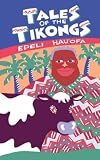
Tales of the Tikongs is a collection of 12 short stories set on the fictional island of Tiko, somewhere in the South Pacific. Tiko and its inhabitants, the Tikongs, are probably based on the island nations of Tonga and Fiji, where writer Epeli Hau'Ofa (1939-2009) lived and worked for much of his life.
Like Tonga and Fiji, Tiko is an isolated archipelago. The nearest major countries are Australia and New Zealand, which are pouring out a torrent of development aid over their small distant show more neighbour, without really understanding the people and their needs. That is one of the recurring themes in the stories: fishermen who get (free) cows without knowing exactly how to take good care of them. Or a man who needs a typewriter but is forced to start a foundation first and officially ask for thousands of dollars.
Another recurring theme is the double standard of the islanders themselves: to sit in church all day on Sunday and then indulge in all possible sins for six days. Nepotism and government corruption. The somewhat half-hearted work ethic.
The stories are clearly intended to be humorous and somewhat ironic. The trouble with humor is that you can't always understand it in all its finesse if you don't know anything about the context. And I knew absolutely nothing about the islands of the South Pacific. So I was left with a somewhat unsatisfied feeling of often missing the punchline. This was especially true for the stories in which the local population is ridiculed. Still, it was nice to read something from such a (to me) unknown region, where, incidentally, very few books come from. show less
Like Tonga and Fiji, Tiko is an isolated archipelago. The nearest major countries are Australia and New Zealand, which are pouring out a torrent of development aid over their small distant show more neighbour, without really understanding the people and their needs. That is one of the recurring themes in the stories: fishermen who get (free) cows without knowing exactly how to take good care of them. Or a man who needs a typewriter but is forced to start a foundation first and officially ask for thousands of dollars.
Another recurring theme is the double standard of the islanders themselves: to sit in church all day on Sunday and then indulge in all possible sins for six days. Nepotism and government corruption. The somewhat half-hearted work ethic.
The stories are clearly intended to be humorous and somewhat ironic. The trouble with humor is that you can't always understand it in all its finesse if you don't know anything about the context. And I knew absolutely nothing about the islands of the South Pacific. So I was left with a somewhat unsatisfied feeling of often missing the punchline. This was especially true for the stories in which the local population is ridiculed. Still, it was nice to read something from such a (to me) unknown region, where, incidentally, very few books come from. show less
Lists
Awards


You May Also Like
Associated Authors
Statistics
- Works
- 9
- Also by
- 1
- Members
- 175
- Popularity
- #122,546
- Rating
- 3.5
- Reviews
- 8
- ISBNs
- 15
- Languages
- 2