
Cynthia Zarin
Author of Inverno
About the Author
Image credit: Sara Barrett
Works by Cynthia Zarin
Associated Works
Tagged
Common Knowledge
- Birthdate
- 1959
- Gender
- female
- Education
- Harvard University
Columbia University - Occupations
- poet
journalist - Organizations
- Yale University
- Awards and honors
- Peter I. B. Lavan Younger Poets Award (1994)
- Nationality
- USA
- Places of residence
- New York, New York, USA
- Associated Place (for map)
- USA
Members
Reviews

I receive poetry by email from several sources and one day the poem was Flowers by Cynthia Zarin. I read it several times, and never forgot it. I was happy to read it again in Next Day.
Flowers
By Cynthia Zarin
This morning I was walking upstairs
from the kitchen, carrying your
beautiful flowers, the flowers you
brought me last night, calla lilies
and something else, I am not
sure what to call them, white flowers,
of course you had no way of knowing
it has been years since I bought
white flowers—but show more now you have
and here they are again. I was carrying
your flowers and a coffee cup
and a soft yellow handbag and a book
of poems by a Chinese poet, in
which I had just read the words “come
or go but don’t just stand there
in the doorway,” as usual I was
carrying too many things, you
would have laughed if you saw me.
It seemed especially important
not to spill the coffee as I usually
do, as I turned up the stairs,
inside the whorl of the house as if
I were walking up inside the lilies.
I do not know how to hold all
the beauty and sorrow of my life.
I was eager to discover more favorite poems by Zarin.
I loved Heirloom, which begins,
“Take it,” my grandmother said. “You
might as well have it now. “
“No, I said,” knowing what now meant.
I recalled my mother, after her diagnosis, telling me what to take home.
The poem goes on to describe the picture she brings home which portrays her grandmother reading, “her wide book a pair of white goose wings, shedding light on her face.” With the lines “There’s no hint of the artist, my grandfather, dampening his brushes a few yards away,” we understand this is a painting. And there is a second painting of two children, her father and aunt. I connected to this poem, my own mother’s paintings on my walls.
Zarin struggles with a memory from childhood in Harriet, asking “Why did I say what I did to Harriet?” It is a chilling recollection, and recalls to mind the several incidents when I was mean to another child.
I was struck by the opening sharp sounds of Anxiety.
Anxiety
Cat claws on the heart’s tin roof, each breath
a locomotive running off the rails,
the switching signal’s warning rat-a-tat,
I’m up too early, the alphabet net snags
and tears, moths, then motes, then gone. What I love,
I undo, eye for eye, tooth for tooth.
No one knows me, matchstick Guy Fawkes doll,
my burnt head micro-ember sunset gleams,
day moon hostage to the dark’s slant dream.
What ghosts I have I won’t or can’t give up.
Impossible to love or leave, poor self
banging its head, wanting—what?
As if I knew what I meant or wanted,
baby voice humming: mouth skull smile.
I love the imagery in her poems.
Failure
Another summer we didn’t get through–
the year a dandelion blown to bits,
the clover trampled at the gravel’s edge,
the penny-colored leaves gluttering the pond,
a file of redwinged blackbirds attentive
in the reeds, their markings military
against the sky, almost navy, filling
with thunderheads. A week full of saluting:
the dam, the mill, the town, the earth, the silver
automobile rusting under the pines,
one door ajar, like a wing. Then the end–
Good-bye house, good-bye pond: the incantations
of children read to in the bath, while night,
angular, conspiring, blackens the glass.
So many common things in life are transformed under her pen. I laughed when I saw the poem title Pears Soap, my preferred brand, opening with the startling line “Transparence a virtue, as in good prose or water,/though not lies.” There is a poem to a skunk walking on the town road, white violets blooming on lawns (“a hundred handkerchiefs dropped by the daughters of the Pleiades”), even a poem on a Spode plate.
In the new poems, Farewell ends, “I haven’t anything to give you,/nothing that time will not take away.” But she has given these poems, and they are a timeless gift.
The gorgeous cover art is Parmet River, painted by the poet’s daughter.
Thanks to the publisher for a free book. show less
Flowers
By Cynthia Zarin
This morning I was walking upstairs
from the kitchen, carrying your
beautiful flowers, the flowers you
brought me last night, calla lilies
and something else, I am not
sure what to call them, white flowers,
of course you had no way of knowing
it has been years since I bought
white flowers—but show more now you have
and here they are again. I was carrying
your flowers and a coffee cup
and a soft yellow handbag and a book
of poems by a Chinese poet, in
which I had just read the words “come
or go but don’t just stand there
in the doorway,” as usual I was
carrying too many things, you
would have laughed if you saw me.
It seemed especially important
not to spill the coffee as I usually
do, as I turned up the stairs,
inside the whorl of the house as if
I were walking up inside the lilies.
I do not know how to hold all
the beauty and sorrow of my life.
I was eager to discover more favorite poems by Zarin.
I loved Heirloom, which begins,
“Take it,” my grandmother said. “You
might as well have it now. “
“No, I said,” knowing what now meant.
I recalled my mother, after her diagnosis, telling me what to take home.
The poem goes on to describe the picture she brings home which portrays her grandmother reading, “her wide book a pair of white goose wings, shedding light on her face.” With the lines “There’s no hint of the artist, my grandfather, dampening his brushes a few yards away,” we understand this is a painting. And there is a second painting of two children, her father and aunt. I connected to this poem, my own mother’s paintings on my walls.
Zarin struggles with a memory from childhood in Harriet, asking “Why did I say what I did to Harriet?” It is a chilling recollection, and recalls to mind the several incidents when I was mean to another child.
I was struck by the opening sharp sounds of Anxiety.
Anxiety
Cat claws on the heart’s tin roof, each breath
a locomotive running off the rails,
the switching signal’s warning rat-a-tat,
I’m up too early, the alphabet net snags
and tears, moths, then motes, then gone. What I love,
I undo, eye for eye, tooth for tooth.
No one knows me, matchstick Guy Fawkes doll,
my burnt head micro-ember sunset gleams,
day moon hostage to the dark’s slant dream.
What ghosts I have I won’t or can’t give up.
Impossible to love or leave, poor self
banging its head, wanting—what?
As if I knew what I meant or wanted,
baby voice humming: mouth skull smile.
I love the imagery in her poems.
Failure
Another summer we didn’t get through–
the year a dandelion blown to bits,
the clover trampled at the gravel’s edge,
the penny-colored leaves gluttering the pond,
a file of redwinged blackbirds attentive
in the reeds, their markings military
against the sky, almost navy, filling
with thunderheads. A week full of saluting:
the dam, the mill, the town, the earth, the silver
automobile rusting under the pines,
one door ajar, like a wing. Then the end–
Good-bye house, good-bye pond: the incantations
of children read to in the bath, while night,
angular, conspiring, blackens the glass.
So many common things in life are transformed under her pen. I laughed when I saw the poem title Pears Soap, my preferred brand, opening with the startling line “Transparence a virtue, as in good prose or water,/though not lies.” There is a poem to a skunk walking on the town road, white violets blooming on lawns (“a hundred handkerchiefs dropped by the daughters of the Pleiades”), even a poem on a Spode plate.
In the new poems, Farewell ends, “I haven’t anything to give you,/nothing that time will not take away.” But she has given these poems, and they are a timeless gift.
The gorgeous cover art is Parmet River, painted by the poet’s daughter.
Thanks to the publisher for a free book. show less
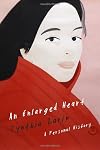
While you were occupied with this and that, time continued spinning steadily onward until one day you peer at yourself in a glass or a mirror, so different and yet so much the same. While a few essays refer to childhood, Cynthia Zarin uses the form explore desires, dreams, fulfillment and disappointment, of adult life, the focus on marriage and children, on (some aspects) of her work, and on her engagement with the material world - objects, houses, places, clothing. The essays are all very show more good, but the title essay “An Enlarged Heart” and the final essay “Mary McCarthy’s Chest” are, to my mind, perfect. The first is a gut-wrenching rendering of having a child suddenly become extremely ill with a rare disease, and the second and longest is a reminiscence of Zarin’s time at The New Yorker in its final years under the aegis of William Shawn. It’s one of the best pieces I’ve read about the magazine - landing soundly between youthful awe, what it was really like (oh the sharp observations of the young!) and the whole of it tempered by thoughtful reflection. Zarin, who is a poet (barely mentioned here), writes prose like a trained New Yorker writer, with that odd mix of self-effacement and confidence (verging on arrogance), as recognizable as hitting NPR on the radio dial, occasionally irritating, but always disciplined, always damned fine writing. Highly recommended if you like essay memoirs, New York City, the New Yorker or the Outer Cape. ****1/2 show less
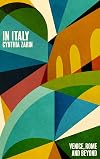
Short, impressionistic but frustrating essays that occasionally vividly conjure the place visited, but too often provide half of an anecdote from the author’s life, in New York or in the past.
The author is very privileged which jarred, and once the illusion of similarity of experience was lost, it detracted from my enjoyment, as I kept becoming aware of her privilege and noticing it. I myself am privileged and the authors I read are nearly always privileged, but I am not usually made so show more jarringly aware, and not in a good way.
I googled this factoid “ ...the pre-Indo-European word for elevated plain, albion” and find that this section of Zarin’s book is paraphrased to/from the Wikipedia entry about the Tiber! Feels cheapened, but why should it as this section about the Tiber was interesting to me before I was aware that it was potentially lifted from Wikipedia? show less
The author is very privileged which jarred, and once the illusion of similarity of experience was lost, it detracted from my enjoyment, as I kept becoming aware of her privilege and noticing it. I myself am privileged and the authors I read are nearly always privileged, but I am not usually made so show more jarringly aware, and not in a good way.
I googled this factoid “ ...the pre-Indo-European word for elevated plain, albion” and find that this section of Zarin’s book is paraphrased to/from the Wikipedia entry about the Tiber! Feels cheapened, but why should it as this section about the Tiber was interesting to me before I was aware that it was potentially lifted from Wikipedia? show less
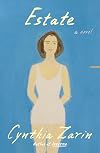
The writing is elegant, yes—but the whole thing felt like it was trying too hard to be clever, moody, and highbrow without ever giving me something real to hold on to. Caroline is obsessed with a man who’s clearly not worth it (and honestly, neither of them are saints—so no sympathy there). I could understand her longing, her spiral, her need to live in the past. But it never went anywhere. Just pages and pages of her drifting.
Stream of consciousness has never worked for me, and this show more book reminded me why. It’s detached, self-indulgent, and way too in love with its own voice. Even the Italian setting and New York references couldn’t save it. And that whole bit about Italian cinema? Pure gimmick to make the blurb sound sexier than the actual story is.
I kept hoping it would become something darker, deeper, a love story that fights and bleeds. But it just stayed flat.
Many thanks to Farrar, Straus and Giroux and NetGalley for the ARC in exchange for an honest review. show less
Stream of consciousness has never worked for me, and this show more book reminded me why. It’s detached, self-indulgent, and way too in love with its own voice. Even the Italian setting and New York references couldn’t save it. And that whole bit about Italian cinema? Pure gimmick to make the blurb sound sexier than the actual story is.
I kept hoping it would become something darker, deeper, a love story that fights and bleeds. But it just stayed flat.
Many thanks to Farrar, Straus and Giroux and NetGalley for the ARC in exchange for an honest review. show less
Lists
Awards


You May Also Like


Associated Authors
Statistics
- Works
- 16
- Also by
- 6
- Members
- 286
- Popularity
- #81,617
- Rating
- 3.7
- Reviews
- 7
- ISBNs
- 31