
Mary E Lowd
Author of Otters In Space: The Search for Cat Havana
About the Author
Series
Works by Mary E Lowd
Entanglement Bound: An Epic Space Opera Series (Entangled Universe Book 1) (2020) 5 copies, 1 review
"Fox in the Hen House" 3 copies
Slug Time 1 copy
The Pink Agate [short story] — Author — 1 copy
The Screen Savior 1 copy
FemCloud Inc. [short story] 1 copy
Weremoose [short story] 1 copy
ROAR Volume 5 1 copy
Associated Works
Tagged
Common Knowledge
- Gender
- female
Members
Reviews
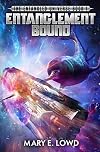
A touching and witty novel with unconventional characters and surprising depth.
Clarity, a green-haired and middle-aged human, has lived and travelled with Irohann for thirty years. When money woes force them to consider taking passengers as well as cargo, Wisper – a sapient robot – comes along with an offer that's too good to be true.
I've been wanting to read this book since it first came out six months ago. But since it's in the ironically named Kindle Unlimited, it seemed I'd never show more get the chance. But I recently got my little paws on a review copy. And I'm so glad I did.
This book has it all: an adorable organic spaceship, sapient bunnies, an aro-ace QPR, a multiracial lesbian couple, and a race against the clock to save the entire universe. All the heart and plenty of wit to boot.
If you enjoyed John Scalzi's The Android's Dream, TJ Berry's Space Unicorn Blues, and/or Kaia Sønderby's Failure to Communicate, check it out now. show less
Clarity, a green-haired and middle-aged human, has lived and travelled with Irohann for thirty years. When money woes force them to consider taking passengers as well as cargo, Wisper – a sapient robot – comes along with an offer that's too good to be true.
I've been wanting to read this book since it first came out six months ago. But since it's in the ironically named Kindle Unlimited, it seemed I'd never show more get the chance. But I recently got my little paws on a review copy. And I'm so glad I did.
This book has it all: an adorable organic spaceship, sapient bunnies, an aro-ace QPR, a multiracial lesbian couple, and a race against the clock to save the entire universe. All the heart and plenty of wit to boot.
If you enjoyed John Scalzi's The Android's Dream, TJ Berry's Space Unicorn Blues, and/or Kaia Sønderby's Failure to Communicate, check it out now. show less
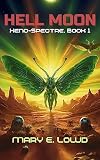
When I saw: Perfect for fans of sci-fi thrillers and horror, from Alien to Jurassic Park. I thought, how can I go wrong? I may have started out thinking, yeah, Hell Moon is what I expected and I was lured in by that beautiful cover, but it didn’t take long before I became intrigued.
We start with a distress call. The group find a human woman and 8 or 9 year old child, in a cryochamber. The woman doesn’t make it, but Maya becomes a part of their group and Janice takes on a mother/guardian show more role.
I started to connect with the characters and wondered…who will survive. After all, this is a horror story and someone has to get knocked off. We do have a couple of humans. I fell in love with Janice, a human, Gaby, an uplifted dog, and Cristobel, an uplifted cat. I’ll leave it to you to read the book and figure that one out. We also have Tyler, a human, and his uplifted dog, Jaimy. We have S’risssa and Ahn’ssi, 6 1/2 foot tall lizards. The are S’rellick aliens. The two aliens have a mission….
The ship is The Kanga, operated by Artificial Intelligence. We are underground, with ghosts and scarabs. One civilization built on top of another.
“You pretend the monsters don’t exist, and then maybe they won’t, right? Isn’t that why you lied?”
“…we lie and say we can make things better. But we don’t know if we can. And sometimes, no matter what we do, it turns out we can’t.”
Hell Moon by Mary E Lowd was a fabulous surprise. I thought, okay, it sounds interesting. It did take me a while to get involved, but after I met the unique and unusual characters I couldn’t stop reading. As the battle between the creatures and the group intensify, lives will be lost. An author that can take out one of my favorite characters could be on MY hit list, but that is not the case. Everything comes together in a way that left me satisfied, yet wanting more. So bring on the The Ancient Egg, Book II.
See more at http://www.fundinmental.com show less
We start with a distress call. The group find a human woman and 8 or 9 year old child, in a cryochamber. The woman doesn’t make it, but Maya becomes a part of their group and Janice takes on a mother/guardian show more role.
I started to connect with the characters and wondered…who will survive. After all, this is a horror story and someone has to get knocked off. We do have a couple of humans. I fell in love with Janice, a human, Gaby, an uplifted dog, and Cristobel, an uplifted cat. I’ll leave it to you to read the book and figure that one out. We also have Tyler, a human, and his uplifted dog, Jaimy. We have S’risssa and Ahn’ssi, 6 1/2 foot tall lizards. The are S’rellick aliens. The two aliens have a mission….
The ship is The Kanga, operated by Artificial Intelligence. We are underground, with ghosts and scarabs. One civilization built on top of another.
“You pretend the monsters don’t exist, and then maybe they won’t, right? Isn’t that why you lied?”
“…we lie and say we can make things better. But we don’t know if we can. And sometimes, no matter what we do, it turns out we can’t.”
Hell Moon by Mary E Lowd was a fabulous surprise. I thought, okay, it sounds interesting. It did take me a while to get involved, but after I met the unique and unusual characters I couldn’t stop reading. As the battle between the creatures and the group intensify, lives will be lost. An author that can take out one of my favorite characters could be on MY hit list, but that is not the case. Everything comes together in a way that left me satisfied, yet wanting more. So bring on the The Ancient Egg, Book II.
See more at http://www.fundinmental.com show less

This is set sometime in the future. Humans have long since abandoned Earth. The dogs and cats they left behind eventually attained sentience and built their own societies in and around humanity’s ruins. They have jobs, government, cars, phones - basically, their lives look a lot like ours today.
Unfortunately for cats, this is largely a dog’s world. Cats are considered second-class citizens and have to struggle to get decent-paying jobs. Kipper, the book’s main character, doesn’t show more really expect that things will ever get better, but she tries to support her sister Petra’s political aspirations anyway. Then Kipper and Petra learn about a possible secret cat utopia in Ecuador, which they dub “Cat Havana” (never mind that Havana isn’t in Ecuador). After Petra suddenly disappears, apparently to go see Cat Havana for herself, Kipper decides to join her.
I bought this in an effort to scratch my post-Zootopia itch. The sci-fi aspects mentioned on the product page intrigued me, and it had several positive reviews, but the one negative review I came across made me wary. Still, it was cheap, so I bought it anyway.
The world-building was intriguing, but also sloppy and filled with holes. I found it difficult to believe that every last human had chosen to leave Earth behind, or that this would even be possible (imagine how much time and money it would have taken, and how many spaceships). How did the various animal species become sentient? Which species were sentient? Early on, I assumed that only cats, dogs, and otters were sentient. Dogs and cats lived on Earth, and otters had managed to establish themselves in space. However, once Kipper finally made it to the space station, there were mentions of “immigrant squirrels” and even a chef who happened to be an octopus. Also, since sentience hadn’t changed species’ sizes (most dogs towered over cats), I found myself wondering if their lifespans were the same too.
Despite my issues with it, I enjoyed the world of this book. There were indications that cat and dog interactions could be fairly complex, I was very intrigued by the brief description of octopus society, and I wanted to know more about otter life on the space station. The otter space ship that Kipper ended up on was also pretty cool.
That said, this book could have used a better editor. Although I didn’t notice any misspellings, I did spot several misused apostrophes and commas, as well as a few incorrect phrases. A few examples:
“One of the Chihuahua's from Kipper's team came up to her and shook her paws, speaking a few indecipherable words.” (53)
“Chihuahua’s” shouldn’t have an apostrophe.
“However, the heart of the platform was the open, landing area in the center for the climbers -- the elevator cars.” (60)
There shouldn't be a comma between "open" and "landing."
“They looked at her, and they held their gaze longer than she expected.” (93)
I’m pretty sure that should be “they held her gaze.”
There were also lots of instances of stuff that should have been streamlined prior to publication. Here’s a good example:
“There were otters occupying some of the other beds, but none of them had noticed her yet. Well, she was sure they knew she was there. But none of them had noticed she was awake.” (111)
Why not just say “but none of them had noticed she was awake yet” and do away with the rest?
The story’s pacing wasn't very good, and Kipper’s shifting and easy-to-forget goals probably didn’t help. Petra was supposedly the impetuous one, and yet Kipper was the one who decided to go all the way to Ecuador with only a single note as evidence that Petra had gone there. She soon realized that Petra probably hadn’t made it to Ecuador yet but went into space anyway, even though her primary goal had been finding her sister. Once she was on the space station, her goal shifted to finding Cat Havana, even though that potentially meant she’d never see her brother and sister again.
There was too much that didn’t make sense. Although Trudith was one of my favorite characters (second only to Emily the octopus), it boggled my mind that anyone thought it was a good idea to hire a protective dog like her to kill somebody, especially considering her tendency to follow anyone’s firmly stated orders. Then there was the enormous plot hole involving the note that inspired Kipper to go to Ecuador in the first place. I suppose it might have been part of the setup for the sequel, except, if that had been the case, I’d have expected Kipper to wonder about that detail more.
All in all, this turned out to be kind of disappointing. I have a couple of the author’s other works on my Nook and am still hopeful that one of them might be better, but it’ll probably be a while before I give them a shot.
Rating Note:
If it hadn't been for the plot hole introduced at the very end of the book, I might have given this 2 stars. There was something endearing about the world and characters, despite the story's many, many issues.
(Original review posted on A Library Girl's Familiar Diversions.) show less
Unfortunately for cats, this is largely a dog’s world. Cats are considered second-class citizens and have to struggle to get decent-paying jobs. Kipper, the book’s main character, doesn’t show more really expect that things will ever get better, but she tries to support her sister Petra’s political aspirations anyway. Then Kipper and Petra learn about a possible secret cat utopia in Ecuador, which they dub “Cat Havana” (never mind that Havana isn’t in Ecuador). After Petra suddenly disappears, apparently to go see Cat Havana for herself, Kipper decides to join her.
I bought this in an effort to scratch my post-Zootopia itch. The sci-fi aspects mentioned on the product page intrigued me, and it had several positive reviews, but the one negative review I came across made me wary. Still, it was cheap, so I bought it anyway.
The world-building was intriguing, but also sloppy and filled with holes. I found it difficult to believe that every last human had chosen to leave Earth behind, or that this would even be possible (imagine how much time and money it would have taken, and how many spaceships). How did the various animal species become sentient? Which species were sentient? Early on, I assumed that only cats, dogs, and otters were sentient. Dogs and cats lived on Earth, and otters had managed to establish themselves in space. However, once Kipper finally made it to the space station, there were mentions of “immigrant squirrels” and even a chef who happened to be an octopus. Also, since sentience hadn’t changed species’ sizes (most dogs towered over cats), I found myself wondering if their lifespans were the same too.
Despite my issues with it, I enjoyed the world of this book. There were indications that cat and dog interactions could be fairly complex, I was very intrigued by the brief description of octopus society, and I wanted to know more about otter life on the space station. The otter space ship that Kipper ended up on was also pretty cool.
That said, this book could have used a better editor. Although I didn’t notice any misspellings, I did spot several misused apostrophes and commas, as well as a few incorrect phrases. A few examples:
“One of the Chihuahua's from Kipper's team came up to her and shook her paws, speaking a few indecipherable words.” (53)
“Chihuahua’s” shouldn’t have an apostrophe.
“However, the heart of the platform was the open, landing area in the center for the climbers -- the elevator cars.” (60)
There shouldn't be a comma between "open" and "landing."
“They looked at her, and they held their gaze longer than she expected.” (93)
I’m pretty sure that should be “they held her gaze.”
There were also lots of instances of stuff that should have been streamlined prior to publication. Here’s a good example:
“There were otters occupying some of the other beds, but none of them had noticed her yet. Well, she was sure they knew she was there. But none of them had noticed she was awake.” (111)
Why not just say “but none of them had noticed she was awake yet” and do away with the rest?
The story’s pacing wasn't very good, and Kipper’s shifting and easy-to-forget goals probably didn’t help. Petra was supposedly the impetuous one, and yet Kipper was the one who decided to go all the way to Ecuador with only a single note as evidence that Petra had gone there. She soon realized that Petra probably hadn’t made it to Ecuador yet but went into space anyway, even though her primary goal had been finding her sister. Once she was on the space station, her goal shifted to finding Cat Havana, even though that potentially meant she’d never see her brother and sister again.
There was too much that didn’t make sense. Although Trudith was one of my favorite characters (second only to Emily the octopus), it boggled my mind that anyone thought it was a good idea to hire a protective dog like her to kill somebody, especially considering her tendency to follow anyone’s firmly stated orders. Then there was the enormous plot hole involving the note that inspired Kipper to go to Ecuador in the first place. I suppose it might have been part of the setup for the sequel, except, if that had been the case, I’d have expected Kipper to wonder about that detail more.
All in all, this turned out to be kind of disappointing. I have a couple of the author’s other works on my Nook and am still hopeful that one of them might be better, but it’ll probably be a while before I give them a shot.
Rating Note:
If it hadn't been for the plot hole introduced at the very end of the book, I might have given this 2 stars. There was something endearing about the world and characters, despite the story's many, many issues.
(Original review posted on A Library Girl's Familiar Diversions.) show less
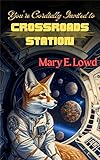
I am halfway through this story and I want to stop reading it. It's nothing bad, just that this well written tale involves animals as characters, something which annoys me as I am reading it. Foxes (and their kits), Elephant marrying a wing deprived butterfly and lots of angst. If you like this stuff, you will enjoy the book, I'm sure.
Awards

You May Also Like
Associated Authors
Statistics
- Works
- 35
- Also by
- 12
- Members
- 68
- Popularity
- #253,410
- Rating
- 3.3
- Reviews
- 8
- ISBNs
- 20
