
Cheryl Kilodavis
Author of My Princess Boy
Works by Cheryl Kilodavis
Tagged
Common Knowledge
There is no Common Knowledge data for this author yet. You can help.
Members
Reviews
****
Note of caution: This book is very intentionally designed for gender nonconforming kids (or parents thereof) who are comfortable using their ascribed gender identity and pronouns. That is, this is not a book that will be relevant to most transgender kids. This book is about a child who was assigned the gender "male" at birth and he still uses male pronouns and considers himself to be a boy and a brother. Therefore, this is about a boy who does not conform to "boyhood" norms. This is NOT show more about a child who was assigned male at birth, but is transitioning to female.
There is a very important distinction between gender nonconforming and transgender, and if that distinction is something you're not entirely clear about, then you'll want to familiarize yourself before using this book with a child you think may be especially receptive to it.
For instance, if you have a student in your class who was assigned to be male at birth, who has a penis, and whose parents use male pronouns with, but the student herself prefers female pronouns and often refers to herself as a girl, then you may want to reconsider this book-- it's quite possible that she is in a different position than a boy who likes to wear dresses.
If that's still unclear, here is a good site to explain things better: http://www.guidetogender.com
****
This is the first book I've found that presents an alternate view on the limits of masculinity, and I love it for that! The "princess boys" of the world would most likely be able to identify with the main character as well-- he gets made fun of and he has to face public discussion/humiliation about his choices, etc, which are very common issues that gender nonconforming kids face.
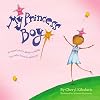
I've read some negative responses in previous reviews about the facelessness of the main character (no illustrations have faces. The characters are in human form with oval heads, but facial features are absent.) I think that was a smart move on the illustrator's part, actually. Many gender nonconforming kids are very uncomfortable with mirrors, and sometimes book illustrations work in a mirror-like fashion, which can be emotionally triggering. Facelessness here seems to function as both invitation and shield: Through the illustrator's use of facelessness, kids who simply need to be able to imagine themselves through shared experiences with others are able to do that, but there is no pressure to be fully reflected in the character. Likewise, some kids may not be ready to see their 'reflection' here, so the facelessness brings them closer to a look at themselves while continuing to allow time until they are ready to fully confront themselves.
It's based on the author's own experience raising her child who prefers dresses, etc, and she attempts to spark conversations with other kids and adults about how they may treat a "princess boy" if they ever meet one.
I think this book especially resonates with adults who have known a gender nonconforming child, but its unique illustrations, winding font, and bright colors make it a visually pleasing story for child-listeners to connect with as well. show less
Note of caution: This book is very intentionally designed for gender nonconforming kids (or parents thereof) who are comfortable using their ascribed gender identity and pronouns. That is, this is not a book that will be relevant to most transgender kids. This book is about a child who was assigned the gender "male" at birth and he still uses male pronouns and considers himself to be a boy and a brother. Therefore, this is about a boy who does not conform to "boyhood" norms. This is NOT show more about a child who was assigned male at birth, but is transitioning to female.
There is a very important distinction between gender nonconforming and transgender, and if that distinction is something you're not entirely clear about, then you'll want to familiarize yourself before using this book with a child you think may be especially receptive to it.
For instance, if you have a student in your class who was assigned to be male at birth, who has a penis, and whose parents use male pronouns with, but the student herself prefers female pronouns and often refers to herself as a girl, then you may want to reconsider this book-- it's quite possible that she is in a different position than a boy who likes to wear dresses.
If that's still unclear, here is a good site to explain things better: http://www.guidetogender.com
****
This is the first book I've found that presents an alternate view on the limits of masculinity, and I love it for that! The "princess boys" of the world would most likely be able to identify with the main character as well-- he gets made fun of and he has to face public discussion/humiliation about his choices, etc, which are very common issues that gender nonconforming kids face.
I've read some negative responses in previous reviews about the facelessness of the main character (no illustrations have faces. The characters are in human form with oval heads, but facial features are absent.) I think that was a smart move on the illustrator's part, actually. Many gender nonconforming kids are very uncomfortable with mirrors, and sometimes book illustrations work in a mirror-like fashion, which can be emotionally triggering. Facelessness here seems to function as both invitation and shield: Through the illustrator's use of facelessness, kids who simply need to be able to imagine themselves through shared experiences with others are able to do that, but there is no pressure to be fully reflected in the character. Likewise, some kids may not be ready to see their 'reflection' here, so the facelessness brings them closer to a look at themselves while continuing to allow time until they are ready to fully confront themselves.
It's based on the author's own experience raising her child who prefers dresses, etc, and she attempts to spark conversations with other kids and adults about how they may treat a "princess boy" if they ever meet one.
I think this book especially resonates with adults who have known a gender nonconforming child, but its unique illustrations, winding font, and bright colors make it a visually pleasing story for child-listeners to connect with as well. show less
“My Princess Boy” is a story written by the mother of a young boy who does not enjoy the typical “boy” activities, but rather, he likes to wear dresses. I really appreciated this story for a few reason. First, the author illustrates that the “princess boy” is accepted by all of his family members. His father twirls the young boy and tells him he looks pretty. The princess boy and his “cool” baseball playing big brother love each other, and the mother clearly accepts him as show more well. This is not the case for many boys in these circumstances, so in a way, the author is challenging families to step up and accept their child for who he is. This idea perpetuated at the end of the story when the author questions the reader: “If you see a princess boy, will you laugh at him? Will you call him a name? Will you play with him? Will you like him for who he is?” I also loved this story because the ending was very powerful, and continues to challenge the reader. The author states “My princess boy is your princess boy,” which encourages others to accept people for who they are, especially boys who enjoy traditional girly activities. show less
This is a wonderful book that encourages acceptance of others. I really enjoy this book for several reasons. The language is very descriptive and sets a happy tone. Positive language is used to describe the princess boy and how his family is proud of him for who he is. The writing is organized nicely on the pages. There are one or two sentences per page written in the shape of a half arc, which is appealing to the eye. I love the characters because they are believable and relatable. The show more reader may know someone who also likes to dress and act like a girl even though they are a boy. Society is not always accepting of this behavior, as mentioned in story. For example, the story reads, “But when he says he wants to buy a pink bag or a sparkly dress, people stare at him. And when he buys girl things, they laugh at him. And then they laugh at me. It hurts us both.” However, I really like that the family loves and accepts their boy. This creates a positive and heartwarming message for children. The gorgeous illustrations create vibrant canvases that cover the pages, which is very appealing to the reader. The expressions of pink color relate to the theme and create a pleasant mood in the story. The book pushes readers to think about how they would act if they knew someone who acted this way. For example, the book explains, “If you see a princess boy…will you like him for who he is? Our princess boy is happy because we love him for who he is.” This is a great question to ask children who are unfamiliar with this topic. The big idea of the book is to teach morals and acceptance. By accepting other for who they are, you will create a much happier environment for them and yourself. show less
The big idea of this book is a mother writing about her son who likes to wear dresses and act like a princess. The point is to make readers realize that even though the boy is different from his peers because of this, the family still loves him for who he is and the book encourages others to accept people for who they are as well. I like this book for two reasons. First, this is a nonfiction book written by a mother about her son. But rather than give a straight-forward account of the boy's show more life and interests, the mother writes in a narrative tone. It is not preachy but still sends the message that her son, and anyone else who may be like him, is perfect just the way he is and should be loved and accepted regardless of the fact that he likes to wear dresses. Secondly, I like the illustrations in this book. They give the book a fairy-tale feel and the child-like drawings help readers connect to the child in the story. show less
Lists
Awards


You May Also Like


Statistics
- Works
- 1
- Members
- 578
- Popularity
- #43,350
- Rating
- 4.1
- Reviews
- 46
- ISBNs
- 7
- Languages
- 2