
Sōshitsu Sen
Author of Tea Life, Tea Mind
About the Author
Disambiguation Notice:
SEN Genshitsu was Urasenke iemoto for thirty-eight years, up to the end of 2002, when he transferred the iemoto position and the hereditary name Soshitsu that goes with it to his elder son, Zabosai. At that time, he changed his own name from Soshitsu to Genshitsu, and he became referred to by the title Daisosho, signifying his status as the once grand master.
Image credit: from education.asianart.org
Series
Works by Sōshitsu Sen
小習事全伝 4 copies
茶の心 2 copies
茶箱点前全伝 2 copies
26 七事式 一 (裏千家茶道 点前教則) 2 copies
お茶の道しるべ 2 copies
19 応用点前 趣向と工夫 (裏千家茶道 点前教則) 2 copies
裏千家茶道のおしえ 2 copies
Tea life, tea mind 1 copy
Smak herbaty, smak zen 1 copy
Cha-no-yu 1 copy
The art of taking tea 1 copy
対訳・茶の本 1 copy
裏千家今日庵 / Urasenke konnichian 1 copy
茶話対座 心の一(いちわん)を 1 copy
Tea life, tea mind 1 copy
Tagged
Common Knowledge
- Canonical name
- Sen, Sōshitsu
- Birthdate
- 1923-04-19
- Gender
- male
- Education
- Doshisha University, Kyoto
Nankai University, China (PhD) - Nationality
- Japan
- Places of residence
- Kyoto, Japan
Hawaii, USA
China - Disambiguation notice
- SEN Genshitsu was Urasenke iemoto for thirty-eight years, up to the end of 2002, when he transferred the iemoto position and the hereditary name Soshitsu that goes with it to his elder son, Zabosai. At that time, he changed his own name from Soshitsu to Genshitsu, and he became referred to by the title Daisosho, signifying his status as the once grand master.
Members
Reviews

El maestro de té Sōshitsu Sen nos acerca de una forma práctica y poética al espíritu de esta bebida milenaria. Imprescindible para amantes del té y de la cultura japonesa.
入門―割稽古・客の心得 by 千 宗室
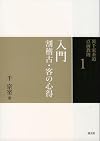
I'm very excited by this edition of the first "green book." It is very well done with lots of clear text and beautiful, full-color photos. Everything is photographed--sometimes from multiple angles. There are 12 pictures alone showing to fold a chakin--I may actually learn to do right thanks to this.
There will be 25 volumes in the finished series. The next two volumes are scheduled to appear in later November of 2010.
There will be 25 volumes in the finished series. The next two volumes are scheduled to appear in later November of 2010.

This is the "official" English-language handbook for beginning students published by the Urasenke Foundation, Kyoto, Japan. It contains the foundational procedures upon which all varitions of Urasenke-style chanoyu (tea ceremony) are based. As far as I am aware, this is a two-book set which contains detailed information and move-by-move photos of every temae required for a nyumon-level (beginner's license) certificate with the exception of sumi-demae (charcoal fire). This volume contains the show more basic warigeiko procedures, etiquette for guests and the first temae a student will learn, bonryaku-demae.
Although a book can never replace a good sensei (teacher) for me it has been an invaluable resource for those times when I'm practicing at home and just can't remember a particular sequence. Serious students will find the cost of this set well worth the price. show less
Although a book can never replace a good sensei (teacher) for me it has been an invaluable resource for those times when I'm practicing at home and just can't remember a particular sequence. Serious students will find the cost of this set well worth the price. show less
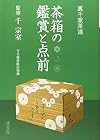
Many pictures (in color) of very nice chabako and chabako ustensils.
A step by step description (pictures and texts all in japanese) of six different variations of chabako tea ceremony.
A step by step description (pictures and texts all in japanese) of six different variations of chabako tea ceremony.
You May Also Like


Statistics
- Works
- 92
- Members
- 472
- Popularity
- #52,189
- Rating
- 4.7
- Reviews
- 26
- ISBNs
- 64
- Languages
- 5
- Favorited
- 1