
Ray Robinson (2)
Author of Electricity
For other authors named Ray Robinson, see the disambiguation page.
Works by Ray Robinson
Tagged
Common Knowledge
- Gender
- male
Members
Reviews
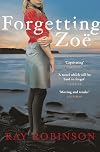
An utterly enthralling and compelling novel that takes as its subject the long-term abduction of a young girl. It features the effects upon the girl, her family, her community and also the kidnapper. The remote settings offer a complete contrast, a remote island off the Canadian east coast and the isolation of the Arizona desert and covers a timespan of nine years from 1999 to 2008. There is little about the mechanics of the abduction, or of Zoe’s treatment, with most of the novel show more concentrating on the psychological consequences for those involved. This is Robinson’s great strength in that, in the main, he bypasses the physical descriptions of Zoe’s imprisonment and treatment and focuses on her mental state, how she manages to retain some of her previous life, while at the same time becoming attached to her abductor, Thurman. Then, when she regains her freedom, there is Robinson’s empathetic description of her struggle to readjust to society. This all adds up to a fascinating story. show less
It's been a while since I found a book totally unputdownable, but Ray Robinson's Electricity has kept me spell bound for the last couple of days, and I'm so sad I've finished it.
I loved its feisty protagonist, Lily, who suffers from epilepsy (so bad she's sometimes throwing several fits a day and constantly in danger from injury) but never allows the disability to define her.
Physically abused as a child by her mother (the epilepsy began after she was thrown down stairs) and sexually abused show more by her mother's lover, Lily is shunted into a care home as an adolescent, while her brothers are sent to Borstal after a fracas with the police. She takes a job in an amusement arcade in a small seaside town and doesn't see her family again until the police come to inform her that her mother is seriously ill in hospital.
Her mother's death brings Lily's brother, Barry, a big-time gambler player back into her life, but her other brother Mikey, her great childhood protector is still missing, and she knows that she must find him. With the money she inherits from the sale of her mother's house she makes the journey to London to try to track him down. It's a particularly brave venture considering the fact that she could collapse and have a fit at any moment.
I felt myself really cheering Lily on - not just in her search for her brother but in negotiating the new relationships in her life, with Mel the city high-flier who rescues her after a fit leaves her collapsed in the middle of a busy road, and Dave, a hunky electrician who turns out not to be all he seems.
One of the remarkable achievements of the book is that we're right inside Lily's head experiencing the often terrifying disorientating effects of the disorder with her. I learned a great deal. And it always pleasantly surprises when a bloke gets a woman's voice so well down to the page.
Would I recommend it? Yes, very strongly. It reminded me in some ways of Mark Haddon's The Curious Incident of the Dog in the Night Time.
The novel is shortlisted for this year's James Tait Black Award. show less
I loved its feisty protagonist, Lily, who suffers from epilepsy (so bad she's sometimes throwing several fits a day and constantly in danger from injury) but never allows the disability to define her.
Physically abused as a child by her mother (the epilepsy began after she was thrown down stairs) and sexually abused show more by her mother's lover, Lily is shunted into a care home as an adolescent, while her brothers are sent to Borstal after a fracas with the police. She takes a job in an amusement arcade in a small seaside town and doesn't see her family again until the police come to inform her that her mother is seriously ill in hospital.
Her mother's death brings Lily's brother, Barry, a big-time gambler player back into her life, but her other brother Mikey, her great childhood protector is still missing, and she knows that she must find him. With the money she inherits from the sale of her mother's house she makes the journey to London to try to track him down. It's a particularly brave venture considering the fact that she could collapse and have a fit at any moment.
I felt myself really cheering Lily on - not just in her search for her brother but in negotiating the new relationships in her life, with Mel the city high-flier who rescues her after a fit leaves her collapsed in the middle of a busy road, and Dave, a hunky electrician who turns out not to be all he seems.
One of the remarkable achievements of the book is that we're right inside Lily's head experiencing the often terrifying disorientating effects of the disorder with her. I learned a great deal. And it always pleasantly surprises when a bloke gets a woman's voice so well down to the page.
Would I recommend it? Yes, very strongly. It reminded me in some ways of Mark Haddon's The Curious Incident of the Dog in the Night Time.
The novel is shortlisted for this year's James Tait Black Award. show less
Lily O’Connor’s neurology is a wild, untamed beast that knocks her on her face time and again. Afflicted with epilepsy, Lily knows the condition is more than the general public believes it be, and she determined to live as normal a life with the condition as possible. Saddled with a rough (and I mean rough) family (her mother is entirely to blame in causing the injury that led to her disorder, in an act too ghastly to mention,) Lily has learned to hide the hurt away, armed with a show more misanthropic wit. But the death of her beastly mother, grouped with the arrival of her gambler brother and the mystery of another sibling’s disappearance, shakes up Lily’s life in ways she never could have imagined and sends her on a quest for reconciliation on the dirty, chaotic streets of London.
So, apparently this is a movie now. It’s hard to picture how a film adaptation would work, to be honest. Electricity is a otherworldly experience, an journey through the senses shedding light on a condition no one would wish on themselves or their loved ones. How will a movie give us such an unyielding look into this woman’s mind? How will a movie explain how the seizures feel? But the miracle of this novel is that Lily O’Connor is so much more than her disability.
She’s tough, complicated, seriously flawed but fundamentally decent. The strength of Lily’s character ensures that Electricity will not a textbook slog through issues of disability and dignity. Also, I don’t think I’ve ever read so much onomatopoeia in one book. The book has an interesting feminine perspective on sexuality, as well as a heartbreaking take on sexual abuse (what if I didn’t fight back! What if I liked it?)
Lily believed she was in love with her mother’s boyfriend when she was about nine years old, and appreciated the attention in a time when she was all too often ignored and overlooked. But does that make it any better? Of course not. Sexual misconduct with a preteen is abuse whether or not the child thinks they enjoy it or not. In a way, Lily has to move past her own feelings and perceptions about the event just as much as she has to move past the abuse itself.
Lily is often a hard character to like. But you can’t hate her. You just can’t. She’s too vulnerable and damaged and real for that. However, the circumstances of her upbringing seemed a little too dire at times. That coupled with her truly horrific experience with men (only her wig-donning mentor, Al, emerges unscathed) makes Electricity a sometimes disturbing read. Lily is an often sexually ambiguous character; she reports to enjoy sex with men (although she can’t climax,) while her less-than-sisterly affections for her lesbian buddy Mel makes the reader wonder what side of the fence she’s really on.
The only parts of the book I felt were lacking were the sex scenes between Lily and her boyfriend, Dave. Here we are subjected to analogies such as “He licked my breasts like lollipops” that fall short on insight into a woman’s experience of sex. They were a little corny, to be frank. They didn’t quite fit in the otherwise smooth, flawless jigsaw puzzle that was this novel. Mostly, what stands out in Electricity was the close inside view of a misunderstood condition and Lily’s unique, dialect- and profanity-salted voice. Lyrical yet not tweedy, Electricity is a engrossing read. show less
So, apparently this is a movie now. It’s hard to picture how a film adaptation would work, to be honest. Electricity is a otherworldly experience, an journey through the senses shedding light on a condition no one would wish on themselves or their loved ones. How will a movie give us such an unyielding look into this woman’s mind? How will a movie explain how the seizures feel? But the miracle of this novel is that Lily O’Connor is so much more than her disability.
She’s tough, complicated, seriously flawed but fundamentally decent. The strength of Lily’s character ensures that Electricity will not a textbook slog through issues of disability and dignity. Also, I don’t think I’ve ever read so much onomatopoeia in one book. The book has an interesting feminine perspective on sexuality, as well as a heartbreaking take on sexual abuse (what if I didn’t fight back! What if I liked it?)
Lily believed she was in love with her mother’s boyfriend when she was about nine years old, and appreciated the attention in a time when she was all too often ignored and overlooked. But does that make it any better? Of course not. Sexual misconduct with a preteen is abuse whether or not the child thinks they enjoy it or not. In a way, Lily has to move past her own feelings and perceptions about the event just as much as she has to move past the abuse itself.
Lily is often a hard character to like. But you can’t hate her. You just can’t. She’s too vulnerable and damaged and real for that. However, the circumstances of her upbringing seemed a little too dire at times. That coupled with her truly horrific experience with men (only her wig-donning mentor, Al, emerges unscathed) makes Electricity a sometimes disturbing read. Lily is an often sexually ambiguous character; she reports to enjoy sex with men (although she can’t climax,) while her less-than-sisterly affections for her lesbian buddy Mel makes the reader wonder what side of the fence she’s really on.
The only parts of the book I felt were lacking were the sex scenes between Lily and her boyfriend, Dave. Here we are subjected to analogies such as “He licked my breasts like lollipops” that fall short on insight into a woman’s experience of sex. They were a little corny, to be frank. They didn’t quite fit in the otherwise smooth, flawless jigsaw puzzle that was this novel. Mostly, what stands out in Electricity was the close inside view of a misunderstood condition and Lily’s unique, dialect- and profanity-salted voice. Lyrical yet not tweedy, Electricity is a engrossing read. show less
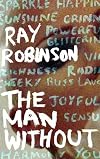
"Ray Robinson's debut novel Electricity was one of the best things I read this year ... until I read his second novel The Man Without.
The Man Without has many similarities to Electricity and the language is equally direct. Right at the start of the novel, we see that the hero Antony is trying to sort himself out after a near suicide attempt. Antony also has a childhood of abuse, a father he never knew and a mother who doesn't appear to have had a maternal bone in her body. Now in his show more twenties, this has left him with some challenging emotions and dangerous sexual fantasies, we get the slightest hint of what's to come at the start of the second chapter:
""Wrapped in a silk kimono and twisting helix of smoke, he flicked through the new copy of Harper's until he found one: a model with a similar pair.""
Veils are gradually lifted until the full effects of Antony's problems are revealed. Prepare to be shocked, but this merely compels you to read on, and hope that he pulls through.
Contrasted against his own problems are those experienced in his job - as a Mental Health Carer. This is particularly expressed in his relationship with one patient, Kenneth - a former vicar suffering from total amnesia and personality change, and suffering from deteriorating relationships with his family that he can't remember. The exchanges between Antony and Kenneth are funny and touching, but reinforce the loss of family that is the central theme of the novel. What Antony the professional carer really needs a family to care for him ...
This novel was stunning - read it." show less
The Man Without has many similarities to Electricity and the language is equally direct. Right at the start of the novel, we see that the hero Antony is trying to sort himself out after a near suicide attempt. Antony also has a childhood of abuse, a father he never knew and a mother who doesn't appear to have had a maternal bone in her body. Now in his show more twenties, this has left him with some challenging emotions and dangerous sexual fantasies, we get the slightest hint of what's to come at the start of the second chapter:
""Wrapped in a silk kimono and twisting helix of smoke, he flicked through the new copy of Harper's until he found one: a model with a similar pair.""
Veils are gradually lifted until the full effects of Antony's problems are revealed. Prepare to be shocked, but this merely compels you to read on, and hope that he pulls through.
Contrasted against his own problems are those experienced in his job - as a Mental Health Carer. This is particularly expressed in his relationship with one patient, Kenneth - a former vicar suffering from total amnesia and personality change, and suffering from deteriorating relationships with his family that he can't remember. The exchanges between Antony and Kenneth are funny and touching, but reinforce the loss of family that is the central theme of the novel. What Antony the professional carer really needs a family to care for him ...
This novel was stunning - read it." show less
Awards


Statistics
- Works
- 4
- Members
- 116
- Popularity
- #169,720
- Rating
- 3.8
- Reviews
- 8
- ISBNs
- 88
- Languages
- 3