
Michael Lee (1) (1962–)
Author of The World of Darkness
For other authors named Michael Lee, see the disambiguation page.
About the Author
Image credit: Mike Lee
Works by Michael Lee
Even Unto Death {short story} 2 copies
Dragging the Line 2 copies
Nagash Immortal, part 2 1 copy
Nagash Immortal, part 1 1 copy
Associated Works
Tagged
Common Knowledge
- Birthdate
- 1962
- Gender
- male
- Occupations
- writer
game designer
game developer - Organizations
- White Wolf Publishing (developer)
- Relationships
- Lee, Janet K. (spouse)
- Nationality
- USA
- Places of residence
- Nashville, Tennessee, USA
- Associated Place (for map)
- Tennessee, USA
Members
Reviews
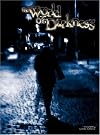
I just found a used copy of World of Darkness to go along with my digital copy so it must be the Fates telling me to write a review.
As a White Wolf fan since 1994 I was skeptical when a new revision was announced following the original World of Darkness. The thirteen-year crash finally occurred and each of their original lines fell to their fates, first with Wraith that poor ghostly step-headed redchild portending the death of Vampire, Werewolf, Mage and the like. I didn’t buy into the new show more World of Darkness until DriveThruRPG offered it as their monthly free download, and only then because I was curious about what they were going to do with Changeling. It turns out my fears were unfounded and I would be joyous about how all the revisions would turn out.
I heard scuttlebutt about making a book like the World of Darkness core rulebook back in 1997; it is really a no-brainer. It was nice that you didn’t have to buy a Player’s and Storyteller’s handbook if you wanted to play Vampire only just one self-contained book but if you got into the other lines and lord help you if you wanted to run a crossover things go ridiculous fast. There were an entire chapters on the basic rules set that was repeated in each book, often with inconsistencies. This was particularly glaring with the Merits and Flaws which varied widely from book to book. It is so much better to have all the rules in just one book for several reasons. The first is consistency in the rules set as stated above which have also been streamlined and simplified to cut down on game time. Secondly now there is so much more space in the Vampire: the Requiem core book to for vampires. It can be ALL ABOUT VAMPIRES all the time. Thirdly, it made playing mortals cool and viable. I think there was one official mortals character sheet way back in the first edition of Vampire but they were given very little consideration as the years went on. Now all your characters start off as mortals and either stay that way in a viable, fully-supported game line of their own or have a supernatural template built around that foundation. Everyone has morality and everyone behaves according to the same rules set. Very exciting. White Wolf has continued to deliver on this in their “blue book” mortals line, giving us books just about portraying the police, or the military, or travel stories so we don’t have to poke around this Vampire book for this bit of information and that Mage supplement to get that tidbit that should apply to the whole.
But what got me was the fiction. With old World of Darkness books you could play a little game with the flavor fiction where you tried to guess what creature the story was about as soon as possible. Oh, that’s a Silver Fang werewolf. Oh, that must be a Settie vampire. It was pretty clear cut because even though Darkness got a lot of name dropping the world was pretty fully illuminated because everyone thought it was cool to find out what supernatural creature inhabit what niche in the world. I read the fiction in this new book and was clueless, totally blown away. A priest knows his days are numbered as he has found secrets about an otherworldly patron of a small New England town that came over with the first settlers. This ghoul is refined in manners but only blesses the town with good fortune with a tithe of death. I was guessing it had to be a vampire of some sort since it lived hundreds of years… but wait! Sounds an awful lot like an old world fairy tale as well. This thing only “feeds” every fifty years and claims thirteen lives, numbers like that were more reminiscent of a dark Fae than Kindred. Another story presents the last lecture of a cryptozoologist teaching anthropology at a state college before his abrupt disappearance. He talks about traveling to a island in British Columbia and spending time with a hominid creature. Oh, I thought, it must be some sort of werewolf… but the pieces didn’t fit. It went this way for every piece of fiction except the chapter heading splash pages. The monsters were Monsters, unnervingly unclassifiable and mysterious.
That is the great gift of the new World of Darkness book, it brings back mystery and by stripping out the meta plot it makes the game of personal horror personal again. It has some bumps and flaws particularly in its shortcomings of actually executing the horror end of that title but those can be hacked and White Wolf has recently put out some excellent tools to hack the system. I was so thankful, though. So refreshed to be bewildered and confused and scared by a White Wolf book again. There is more power to creatively tell the story as you wish. Boundlessness unhindered by a built-in Millennialism. show less
As a White Wolf fan since 1994 I was skeptical when a new revision was announced following the original World of Darkness. The thirteen-year crash finally occurred and each of their original lines fell to their fates, first with Wraith that poor ghostly step-headed redchild portending the death of Vampire, Werewolf, Mage and the like. I didn’t buy into the new show more World of Darkness until DriveThruRPG offered it as their monthly free download, and only then because I was curious about what they were going to do with Changeling. It turns out my fears were unfounded and I would be joyous about how all the revisions would turn out.
I heard scuttlebutt about making a book like the World of Darkness core rulebook back in 1997; it is really a no-brainer. It was nice that you didn’t have to buy a Player’s and Storyteller’s handbook if you wanted to play Vampire only just one self-contained book but if you got into the other lines and lord help you if you wanted to run a crossover things go ridiculous fast. There were an entire chapters on the basic rules set that was repeated in each book, often with inconsistencies. This was particularly glaring with the Merits and Flaws which varied widely from book to book. It is so much better to have all the rules in just one book for several reasons. The first is consistency in the rules set as stated above which have also been streamlined and simplified to cut down on game time. Secondly now there is so much more space in the Vampire: the Requiem core book to for vampires. It can be ALL ABOUT VAMPIRES all the time. Thirdly, it made playing mortals cool and viable. I think there was one official mortals character sheet way back in the first edition of Vampire but they were given very little consideration as the years went on. Now all your characters start off as mortals and either stay that way in a viable, fully-supported game line of their own or have a supernatural template built around that foundation. Everyone has morality and everyone behaves according to the same rules set. Very exciting. White Wolf has continued to deliver on this in their “blue book” mortals line, giving us books just about portraying the police, or the military, or travel stories so we don’t have to poke around this Vampire book for this bit of information and that Mage supplement to get that tidbit that should apply to the whole.
But what got me was the fiction. With old World of Darkness books you could play a little game with the flavor fiction where you tried to guess what creature the story was about as soon as possible. Oh, that’s a Silver Fang werewolf. Oh, that must be a Settie vampire. It was pretty clear cut because even though Darkness got a lot of name dropping the world was pretty fully illuminated because everyone thought it was cool to find out what supernatural creature inhabit what niche in the world. I read the fiction in this new book and was clueless, totally blown away. A priest knows his days are numbered as he has found secrets about an otherworldly patron of a small New England town that came over with the first settlers. This ghoul is refined in manners but only blesses the town with good fortune with a tithe of death. I was guessing it had to be a vampire of some sort since it lived hundreds of years… but wait! Sounds an awful lot like an old world fairy tale as well. This thing only “feeds” every fifty years and claims thirteen lives, numbers like that were more reminiscent of a dark Fae than Kindred. Another story presents the last lecture of a cryptozoologist teaching anthropology at a state college before his abrupt disappearance. He talks about traveling to a island in British Columbia and spending time with a hominid creature. Oh, I thought, it must be some sort of werewolf… but the pieces didn’t fit. It went this way for every piece of fiction except the chapter heading splash pages. The monsters were Monsters, unnervingly unclassifiable and mysterious.
That is the great gift of the new World of Darkness book, it brings back mystery and by stripping out the meta plot it makes the game of personal horror personal again. It has some bumps and flaws particularly in its shortcomings of actually executing the horror end of that title but those can be hacked and White Wolf has recently put out some excellent tools to hack the system. I was so thankful, though. So refreshed to be bewildered and confused and scared by a White Wolf book again. There is more power to creatively tell the story as you wish. Boundlessness unhindered by a built-in Millennialism. show less
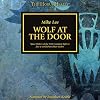
I read this as the opening story of Horus Heresy Omnibus Project reading guide Omnibus III: The Burning of Prospero
(https://www.heresyomnibus.com/omnibus/iii-the-burning-of-prospero) as part of my Oath of Moment to complete the series.
The Wolf at the Door is effectively the introduction of the Space Wolves to the Horus Heresy, or at least a more honourable and chronological introduction, as there was a wizard-hating space viking in Battle for the Stereotypes, wisely seeking to give them the show more spotlight and the opportunity to show how neighbourly and beneficent the Vlka Fenryka can be, offering a meaty paw in friendship, as well as how exacting and ruthless they can be when they need to. Something it's good to have established with a main event on the horizon that keeps popping off over 10,000 years later!
The Space Wolves come to yolk a lost world of humanity to the Imperium of Man. Weathering an impressive amount of derision and disrespect, the Sons of Russ learn the planet has a Drukhari problem. Hoping it will help their cause and not needing any excuse to murder anything not human, the Space Wolves engage in a drawn out and sneaky operation, while ignoring the call for the whole Legion to muster and the protestations of some of the Wolf Brothers about the chances of things going well with how rude they have been. The Wolves of Fenris gain some unlikely allies, Dark Eldar get punched, and they return to negotiations.
Like I said before, I can really see what Lee was going for any the importance of a story like this coming before the whole a Burning of Prospero arc, but being willing to turn the other cheek, give second chances, and endeavouring to do the right thing does not a personality make. Likewise, nothing beyond talking about and understanding raiding really marked the Wolf Lord as a Wolf Brother, beyond the rather interesting lore dump at the beginning. There's a lot of gesturing at something, but, unfortunately, it is more going through the dramatic motions than actually engaging meaningfully. It's uncanny valley dissonance the potential here that makes this as unsatisfying as I found it.
I feel like the past year of intense reading and the ludicrous ferocity of my consuming the Horus Heresy in the last month or so have ever so slowly given me some perspective on ratings. I still think asigning a number to how good an art is really is absurd, but I get that it helps people make choices and that's what all these platforms run on. I still don't do decimal marks, but I do acknowledge that, for me personally, the width and breadth of a three makes it the largest or at least broadest rating. Basically, I'm saying this came very close to getting a four, especially with the end, but ultimately fell short because some good action, especially with Jonathan Keeble embracing his Wulfen within, the novelty of seeing the Drukhari for, I believe, the first time, at least in release order, if I remember correctly (it's very confusing chronologically, but immensely satisfying narratively engaging with this series through the omnibussies), and clearly having a dramatic intent, aren't enough when there's a lot of wasteland of unnecessary bloat in this novella squeezing into its old short story clothes, and most importantly, it didn't make me care about anyone in the story.
After recently reading Betrayal at Calth, The Honoured by Rob Sanders and The Unburdened by David Annandale, and now this, I feel like I have my needs and expectations for Horus Heresy stories nailed down, though the parameters are a little different depending on the form and medium. I dream of everything being as good or better than The Unburdened, with the emotional weight, depth or character, personal tragedy, rooting in the wider Heresy, weird and cool Warhammer galaxy details, and good combat, The Wolf at the Door is pretty much the bar of my expectations, it has elements of these, some better than others, but ultimately was too dry and unengaging for long swathes...and rather shallow bolter porn, while it can be run and absolutely has its place, I don't think that place is in this series, or at least not unaccompanied by an emotional weight and tragedy to make the action feel meaningful.
(I really don't want to shit on Sanders and I'm just really hyperfixating with my ADHD and autism all over the place at the moment. I'm going to do my best not to bring up The Honoured again. The first two chapters were great!) show less
(https://www.heresyomnibus.com/omnibus/iii-the-burning-of-prospero) as part of my Oath of Moment to complete the series.
The Wolf at the Door is effectively the introduction of the Space Wolves to the Horus Heresy, or at least a more honourable and chronological introduction, as there was a wizard-hating space viking in Battle for the Stereotypes, wisely seeking to give them the show more spotlight and the opportunity to show how neighbourly and beneficent the Vlka Fenryka can be, offering a meaty paw in friendship, as well as how exacting and ruthless they can be when they need to. Something it's good to have established with a main event on the horizon that keeps popping off over 10,000 years later!
The Space Wolves come to yolk a lost world of humanity to the Imperium of Man. Weathering an impressive amount of derision and disrespect, the Sons of Russ learn the planet has a Drukhari problem. Hoping it will help their cause and not needing any excuse to murder anything not human, the Space Wolves engage in a drawn out and sneaky operation, while ignoring the call for the whole Legion to muster and the protestations of some of the Wolf Brothers about the chances of things going well with how rude they have been. The Wolves of Fenris gain some unlikely allies, Dark Eldar get punched, and they return to negotiations.
Like I said before, I can really see what Lee was going for any the importance of a story like this coming before the whole a Burning of Prospero arc, but being willing to turn the other cheek, give second chances, and endeavouring to do the right thing does not a personality make. Likewise, nothing beyond talking about and understanding raiding really marked the Wolf Lord as a Wolf Brother, beyond the rather interesting lore dump at the beginning. There's a lot of gesturing at something, but, unfortunately, it is more going through the dramatic motions than actually engaging meaningfully. It's uncanny valley dissonance the potential here that makes this as unsatisfying as I found it.
I feel like the past year of intense reading and the ludicrous ferocity of my consuming the Horus Heresy in the last month or so have ever so slowly given me some perspective on ratings. I still think asigning a number to how good an art is really is absurd, but I get that it helps people make choices and that's what all these platforms run on. I still don't do decimal marks, but I do acknowledge that, for me personally, the width and breadth of a three makes it the largest or at least broadest rating. Basically, I'm saying this came very close to getting a four, especially with the end, but ultimately fell short because some good action, especially with Jonathan Keeble embracing his Wulfen within, the novelty of seeing the Drukhari for, I believe, the first time, at least in release order, if I remember correctly (it's very confusing chronologically, but immensely satisfying narratively engaging with this series through the omnibussies), and clearly having a dramatic intent, aren't enough when there's a lot of wasteland of unnecessary bloat in this novella squeezing into its old short story clothes, and most importantly, it didn't make me care about anyone in the story.
After recently reading Betrayal at Calth, The Honoured by Rob Sanders and The Unburdened by David Annandale, and now this, I feel like I have my needs and expectations for Horus Heresy stories nailed down, though the parameters are a little different depending on the form and medium. I dream of everything being as good or better than The Unburdened, with the emotional weight, depth or character, personal tragedy, rooting in the wider Heresy, weird and cool Warhammer galaxy details, and good combat, The Wolf at the Door is pretty much the bar of my expectations, it has elements of these, some better than others, but ultimately was too dry and unengaging for long swathes...and rather shallow bolter porn, while it can be run and absolutely has its place, I don't think that place is in this series, or at least not unaccompanied by an emotional weight and tragedy to make the action feel meaningful.
(I really don't want to shit on Sanders and I'm just really hyperfixating with my ADHD and autism all over the place at the moment. I'm going to do my best not to bring up The Honoured again. The first two chapters were great!) show less
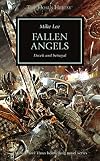
Some good bits here, but lots of filler. Plus there's loads of stuff that never gets followed up as far as I can tell. Strange considering how much extra GW have wrung out of the HH, so many crap novels about nothing, whereas here is a subplot that could have been developed and wasn't. The vaguaries of the GW machine!
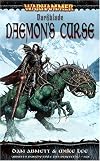
Set in the Warhammer shared universe setting, this is the first in a trilogy about Malus Darkblade, a dark elf pirate/raider sort of noble birth who is sort of a Elric-type of fellow (from Michael Moorcock's Elric novels). The setting is wonderfully grim and grotesque and the world-building feels fairly effortless, but after the initial excitement the charm starts to wear off a little as the plot progresses in an episodic encounter fashion. Thankfully its not a very long book so it doesn't show more outstay its welcome by much. Overall there are some fabulous set-pieces but the storyline is fairly predictable. show less
Lists
You May Also Like


Associated Authors
Statistics
- Works
- 36
- Also by
- 12
- Members
- 2,306
- Popularity
- #11,131
- Rating
- 3.7
- Reviews
- 30
- ISBNs
- 146
- Languages
- 9