
Wu Hung
Author of Between Past and Future: New Photography and Video from China
About the Author
Wu Hung is Harrie A. Vanderstappen Distinguished Service Professor in Chinese art history at the University of Chicago.
Image credit: Photo courtesy the
University of Chicago Experts Exchange (link)
University of Chicago Experts Exchange (link)
Works by Wu Hung
Transience: Chinese Experimental Art at the End of the Twentieth Century (1999) — Curator and Author — 36 copies, 1 review
Associated Works
Tagged
Common Knowledge
Members
Reviews
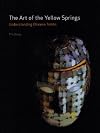
So much of Chinese history is culled from archaeology, the majority of which is in reality 'tombs', that one cannot have a truly good knowledge of Chinese history and culture unless one knows something of its tomb culture. Fortunately, China's recent rapid growth that has spurred the building of new roads, tunnels and railroad lines, has uncovered hundreds of wonderful new sites. Art of the Yellow Springs captures reams of new information that has now been literally unearthed.
This excellent, show more beautifully illustrated volume (gorgeous colour pictures and black and white diagrams), covers topics from the building of tombs to their architecture to the caskets and grave goods found within, as well as the paintings and the astrological/celestial diagrams that decorated many Chinese tomb ceilings. Textual references to burial practices and rituals and historical variations are additional highlights.
Superb references and a bibliography encourage additional reading and research, and the index includes enough entries to find information on specific time periods, sites, tombs, mausoleums, artefacts (such as those famous jade 'suits' or sancai figurines), etc. (The location index that lists major tombs is especially helpful for those of us who are 'archaeological tourists'. Travelling to Shaanxi? Nine important tombs are covered in the text, many of which can be visited.)
The chapter on "Materiality" will be of particular interest to museum docents and visitors as it explains the three main types of grave goods and their media and historical evolution.
A book on tomb culture doesn't sound very pleasant, but this is a wonderful book for anyone interested in Chinese history and culture not only for its content, but also for the author's style, which is definitely 'learned', but so forthright and friendly (example: "It is almost uncanny to find so many parallels...") that I felt as though I were sitting chatting with an exceptionally well-educated friend. Don't let the depth of expertise found in this book put you off even if you're a general reader just interested in Chinese history or art. show less
This excellent, show more beautifully illustrated volume (gorgeous colour pictures and black and white diagrams), covers topics from the building of tombs to their architecture to the caskets and grave goods found within, as well as the paintings and the astrological/celestial diagrams that decorated many Chinese tomb ceilings. Textual references to burial practices and rituals and historical variations are additional highlights.
Superb references and a bibliography encourage additional reading and research, and the index includes enough entries to find information on specific time periods, sites, tombs, mausoleums, artefacts (such as those famous jade 'suits' or sancai figurines), etc. (The location index that lists major tombs is especially helpful for those of us who are 'archaeological tourists'. Travelling to Shaanxi? Nine important tombs are covered in the text, many of which can be visited.)
The chapter on "Materiality" will be of particular interest to museum docents and visitors as it explains the three main types of grave goods and their media and historical evolution.
A book on tomb culture doesn't sound very pleasant, but this is a wonderful book for anyone interested in Chinese history and culture not only for its content, but also for the author's style, which is definitely 'learned', but so forthright and friendly (example: "It is almost uncanny to find so many parallels...") that I felt as though I were sitting chatting with an exceptionally well-educated friend. Don't let the depth of expertise found in this book put you off even if you're a general reader just interested in Chinese history or art. show less
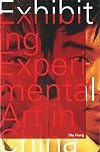
In his new book, Wu Hung raises timely questions about artistic freedom and censorship. Here, as in the Smart Museum's exhibition "Canceled: Exhibiting Experimental Art in China", Wu uses the government's cancellation of the exhibition "It's Me" (Beijing, 1998) to anchor his analysis of the challenges faced by contemporary Chinese artists and curators.
During this time of rapid change in mainland China, artists and curators are seeking new ways to show work, and finding new allies, patrons show more and audiences. They are investigating ways to respond to official antagonism, to realize the potential of experimental art in the public sphere, and to maintain the independence of this art in an increasingly commercialized society. Wu addresses these issues through a survey of current exhibition practices, a discussion of the Smart Museum exhibition, a case study of It's Me, a rich collection of primary materials from eleven recent exhibitions. By introducing readers to the complex milieu of experimental artists and curators in China, Wu makes a major contribution to the growing scholarship on contemporary Chinese culture.
Artists included in the text: Qing CAI (蔡青 b.1969), Guoqiang CAI (蔡國強 b.1957), Xin CANG (蒼鑫 b.1967), Lingyang CHEN (陳羚羊 b.1975), Qingqing CHEN (陳慶慶 b.1953), Wenbo CHEN (陳文波 b.1969), Guangyu DAI (戴光郁 b.1955), Bingbing DU (杜冰冰), Lijun FANG (方力鈞 b.1963), Xiaoying FENG (馮曉穎 b.1975), Zhengjie FENG (俸正杰 b.1968), Jianyi GENG (耿建翌 b.1962), Wenda GU (谷文達 b.1956), Dexin GU (顧德新 b.1962), Jin GUO (郭晉 b.1964), Hao HONG (洪浩 b.1965), Xiangdong HU (胡向東 b.1961), Zhuan HUANG (黃專), Tianyuan LI (李天元 b.1965), Shan LI (李山 b.1944), Yue LIANG (梁越 b.1962), Yilin LIN (林一林 b.1964), Wei LIU (劉煒 b.1965), Jianhua LIU (劉建華 b.1964), Fenghua LIU (劉楓華 b.1956), Hao LU (盧浩 b.1969), Zhongli LUO (羅中立 b.1948), Liuming MA (馬六明 b.1969), Yu PENG (彭禹 b.1974), Zhilong QI (祁志龍 b.1962), Ga QIN (琴嘎 b.1971), Zhijie QIU (邱志傑 b.1969), Lingyu RUAN, Lin SHEN (申玲), Qi SHENG (盛奇 b.1965), Qing SHI (石青 b.1969), Chong SHI (石沖 b.1963), Dong SONG (宋冬 b.1966), (Group) Stars, Jianguo SUI (隋建國 b.1956), Yuan SUN (孫原 b.1972), Song TANG (唐宋), Zizhong TIAN (田子仲 b.1962), Tiande WANG (王天德 b.1960), Wei WANG (王衛 b.1977), Guangyi WANG (王廣義 b.1956), Gongxin WANG (王功新 b.1960), Qiang WANG (王強 b.1963), Nengtao WANG (王能濤 b.1962), Jianwei WANG (汪建偉 b.1958), Luyan WANG (王魯炎 b.1956), Jin WANG (王晉 b.1962), Fen WENG (翁奮 b.1961), Minghui WU (吳明暉), Wenguang Wu (吳文光 b.1956), Xiaojun WU (吳小軍 b.1960), Xing XIA (夏星 b.1958), Lu XIAO (肖魯), Yu XIAO (蕭昱 b.1965), Yihui XU (徐一暉 b.1964), Ruotao XU (徐若濤 b.1968), Zhen XU (徐震 b.1977), Bing XU (徐冰 b.1955), Lei YAN (顏磊 b.1965), Zhenzhong YANG (楊振忠 b.1968), Xiuzhen YIN (尹秀珍 b.1963), Youhan YU (余友涵 b.1943), Minjun YUE (岳敏君 b.1962), Fanzhi ZENG (曾梵志 b.1964), Wang ZHAN (展望 b.1962), Peili ZHANG (張培力 b.1957), Dali ZHANG (張大力 b.1963), Xiaogang ZHANG (張曉剛 b.1958), Xin ZHANG (張新 b.1967), Nian ZHANG (張念), Hanzi ZHANG, Liang ZHAO (趙亮 b.1971), Bandi ZHAO (趙半狄 b.1966), Guogu ZHENG (鄭國谷 b.1970), Tiehai ZHOU (周鐵海 b.1966), Ming ZHU (朱冥 b.1972), Yu ZHU (朱昱 b.1970), Fadong ZHU (朱發東 b.1960), Hui ZHUANG (莊輝 b.1963) show less
During this time of rapid change in mainland China, artists and curators are seeking new ways to show work, and finding new allies, patrons show more and audiences. They are investigating ways to respond to official antagonism, to realize the potential of experimental art in the public sphere, and to maintain the independence of this art in an increasingly commercialized society. Wu addresses these issues through a survey of current exhibition practices, a discussion of the Smart Museum exhibition, a case study of It's Me, a rich collection of primary materials from eleven recent exhibitions. By introducing readers to the complex milieu of experimental artists and curators in China, Wu makes a major contribution to the growing scholarship on contemporary Chinese culture.
Artists included in the text: Qing CAI (蔡青 b.1969), Guoqiang CAI (蔡國強 b.1957), Xin CANG (蒼鑫 b.1967), Lingyang CHEN (陳羚羊 b.1975), Qingqing CHEN (陳慶慶 b.1953), Wenbo CHEN (陳文波 b.1969), Guangyu DAI (戴光郁 b.1955), Bingbing DU (杜冰冰), Lijun FANG (方力鈞 b.1963), Xiaoying FENG (馮曉穎 b.1975), Zhengjie FENG (俸正杰 b.1968), Jianyi GENG (耿建翌 b.1962), Wenda GU (谷文達 b.1956), Dexin GU (顧德新 b.1962), Jin GUO (郭晉 b.1964), Hao HONG (洪浩 b.1965), Xiangdong HU (胡向東 b.1961), Zhuan HUANG (黃專), Tianyuan LI (李天元 b.1965), Shan LI (李山 b.1944), Yue LIANG (梁越 b.1962), Yilin LIN (林一林 b.1964), Wei LIU (劉煒 b.1965), Jianhua LIU (劉建華 b.1964), Fenghua LIU (劉楓華 b.1956), Hao LU (盧浩 b.1969), Zhongli LUO (羅中立 b.1948), Liuming MA (馬六明 b.1969), Yu PENG (彭禹 b.1974), Zhilong QI (祁志龍 b.1962), Ga QIN (琴嘎 b.1971), Zhijie QIU (邱志傑 b.1969), Lingyu RUAN, Lin SHEN (申玲), Qi SHENG (盛奇 b.1965), Qing SHI (石青 b.1969), Chong SHI (石沖 b.1963), Dong SONG (宋冬 b.1966), (Group) Stars, Jianguo SUI (隋建國 b.1956), Yuan SUN (孫原 b.1972), Song TANG (唐宋), Zizhong TIAN (田子仲 b.1962), Tiande WANG (王天德 b.1960), Wei WANG (王衛 b.1977), Guangyi WANG (王廣義 b.1956), Gongxin WANG (王功新 b.1960), Qiang WANG (王強 b.1963), Nengtao WANG (王能濤 b.1962), Jianwei WANG (汪建偉 b.1958), Luyan WANG (王魯炎 b.1956), Jin WANG (王晉 b.1962), Fen WENG (翁奮 b.1961), Minghui WU (吳明暉), Wenguang Wu (吳文光 b.1956), Xiaojun WU (吳小軍 b.1960), Xing XIA (夏星 b.1958), Lu XIAO (肖魯), Yu XIAO (蕭昱 b.1965), Yihui XU (徐一暉 b.1964), Ruotao XU (徐若濤 b.1968), Zhen XU (徐震 b.1977), Bing XU (徐冰 b.1955), Lei YAN (顏磊 b.1965), Zhenzhong YANG (楊振忠 b.1968), Xiuzhen YIN (尹秀珍 b.1963), Youhan YU (余友涵 b.1943), Minjun YUE (岳敏君 b.1962), Fanzhi ZENG (曾梵志 b.1964), Wang ZHAN (展望 b.1962), Peili ZHANG (張培力 b.1957), Dali ZHANG (張大力 b.1963), Xiaogang ZHANG (張曉剛 b.1958), Xin ZHANG (張新 b.1967), Nian ZHANG (張念), Hanzi ZHANG, Liang ZHAO (趙亮 b.1971), Bandi ZHAO (趙半狄 b.1966), Guogu ZHENG (鄭國谷 b.1970), Tiehai ZHOU (周鐵海 b.1966), Ming ZHU (朱冥 b.1972), Yu ZHU (朱昱 b.1970), Fadong ZHU (朱發東 b.1960), Hui ZHUANG (莊輝 b.1963) show less

Mixing the idioms and the formality of documentary photography with a subtly foregrounded subjectivity, Yang Fudong is a representative of an exciting new strain in contemporary Chinese photography. Re-Imagining the Real assesses his photographic vocabulariy as expressions of a new 'stance' on contemporary China.
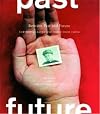
The massive political, economic, and social changes China has undergone during the past decade have dramatically altered its cultural landscape.
The exhibition Between Past and Future and its catalogue offer the first comprehensive look at the body of photographic art produced during this period. Often ambitious in scale and experimental in nature, the works encompass a wide range of highly individual responses to these unprecedented transformations.
AUTHORS
Wu Hung and Christopher Phillips show more with artist interviews by Melissa Chiu, Lisa Corrin, and Stephanie Smith
PUBLICATION DATE
June 2004
DESCRIPTION
Hardcover, 224 pages, 75 color plates, 40 halftone illustrations show less
The exhibition Between Past and Future and its catalogue offer the first comprehensive look at the body of photographic art produced during this period. Often ambitious in scale and experimental in nature, the works encompass a wide range of highly individual responses to these unprecedented transformations.
AUTHORS
Wu Hung and Christopher Phillips show more with artist interviews by Melissa Chiu, Lisa Corrin, and Stephanie Smith
PUBLICATION DATE
June 2004
DESCRIPTION
Hardcover, 224 pages, 75 color plates, 40 halftone illustrations show less
Awards


You May Also Like


Associated Authors
Statistics
- Works
- 47
- Also by
- 1
- Members
- 413
- Popularity
- #58,990
- Rating
- 3.9
- Reviews
- 9
- ISBNs
- 56
- Languages
- 1