
Emily Martin (4)
Author of The Year We Fell Apart
For other authors named Emily Martin, see the disambiguation page.
Works by Emily Martin
Tagged
Common Knowledge
There is no Common Knowledge data for this author yet. You can help.
Members
Reviews

It's been a while since I read a really well written Contemporary Young Adult book, so The Year We Fell Apart was a welcome experience. Beautiful writing, believable characters, and just enough twisty issues to make everything interesting. I have to say, Emily Martin stole my heart. I powered through this in just a few hours and enjoyed every minute of it.
Now, keep in mind that this is definitely aimed at the YA crowd. If you can't settle yourself into the headspace of a teen, with all the show more crazy emotions and potentially bad decisions that come along with that, you probably won't be able to get into this book. See, Harper is definitely flawed. Just like all the rest of us are. It's actually one of the things I loved most about her character. While I didn't always love her for the choices she made, it was the fact that she was ultimately human that made me smile. Hell, we've all chosen made poor choices. We've all pushed that one person away who could have built us back up. It's a part of growing up.
In fact, what impressed me most was how expertly Emily Martin navigated the pitfalls of being a teenager who is still feeling their way in the world. Harper has to face one of the scariest things highschoolers ever face, and that's a reputation. One bad decision. One case of poor judgement, and Harper is forever labeled a "slut". The fact that Martin showed the pain that Harper was suffering and where that all stemmed from, only hammered home the fact that it was ultimately Harper's decision. Wrong or not, she didn't deserved to be judged so harshly. But she was. That's high school.
When you pile on a mother with an illness, a former best friend who disappeared and might be something more, and trying to add new friends to the mix? Well, it's no surprise that this whole story is a jumble of emotions. I felt for Harper. I've been in her shoes. Lots of people have. Which is why it's easy to relate to her, even when she's being a bit over-dramatic. Again, teenage hormones. They're hell.
There were only a few things that knocked this down a star for me, the main two being that I really wanted Harper's friend Sadie to disappear and the whole romance with Declan was never really resolved. Sadie was a terrible influence. I think Sadie was there to give a possible reason why Harper may have made the choices that she did, but truth be told I really wished she'd wise up and ditch her. As for Declan, well he was ultimately hot and cold. I know not every story can have a happy ending, but I think Harper deserved one. Or, at the very least, the concept that you can go through hell and come out whole on the other side needed to be emphasized. Something, to make it all worth while.
Overall, I enjoyed this read though! I'd say that if you're a fan of Contemporary YA, you probably will too. show less
Now, keep in mind that this is definitely aimed at the YA crowd. If you can't settle yourself into the headspace of a teen, with all the show more crazy emotions and potentially bad decisions that come along with that, you probably won't be able to get into this book. See, Harper is definitely flawed. Just like all the rest of us are. It's actually one of the things I loved most about her character. While I didn't always love her for the choices she made, it was the fact that she was ultimately human that made me smile. Hell, we've all chosen made poor choices. We've all pushed that one person away who could have built us back up. It's a part of growing up.
In fact, what impressed me most was how expertly Emily Martin navigated the pitfalls of being a teenager who is still feeling their way in the world. Harper has to face one of the scariest things highschoolers ever face, and that's a reputation. One bad decision. One case of poor judgement, and Harper is forever labeled a "slut". The fact that Martin showed the pain that Harper was suffering and where that all stemmed from, only hammered home the fact that it was ultimately Harper's decision. Wrong or not, she didn't deserved to be judged so harshly. But she was. That's high school.
When you pile on a mother with an illness, a former best friend who disappeared and might be something more, and trying to add new friends to the mix? Well, it's no surprise that this whole story is a jumble of emotions. I felt for Harper. I've been in her shoes. Lots of people have. Which is why it's easy to relate to her, even when she's being a bit over-dramatic. Again, teenage hormones. They're hell.
There were only a few things that knocked this down a star for me, the main two being that I really wanted Harper's friend Sadie to disappear and the whole romance with Declan was never really resolved. Sadie was a terrible influence. I think Sadie was there to give a possible reason why Harper may have made the choices that she did, but truth be told I really wished she'd wise up and ditch her. As for Declan, well he was ultimately hot and cold. I know not every story can have a happy ending, but I think Harper deserved one. Or, at the very least, the concept that you can go through hell and come out whole on the other side needed to be emphasized. Something, to make it all worth while.
Overall, I enjoyed this read though! I'd say that if you're a fan of Contemporary YA, you probably will too. show less
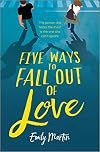
Aubrey Cash has seen first hand that love doesn't last just by living with her parents and their ever deteriorating relationship the past few years. So when she meets and forms a close friendship - that is slowly evolving into something more - with new next door neighbor Webster, the heartbreak is even more devastating when he stands her up at Homecoming.
Now, as Aubrey heads into Senior year, she's just focused on getting out of there, going to college, and leaving everything behind. When show more she meets a cute guy at a party, she thinks she might want to let down her barriers again, but when she finds out this guy is Webster's cousin, she's pulled back into his orbit and forced to confront what may, or may not, have happened on Homecoming night.
It's pretty apparent from the getgo that things don't add up when it comes to that fateful Homecoming night. So I think that kind of drives the story quite a bit. When are we going to understand where things went wrong between Aubrey and Webster? Not really from Aubrey's perspective, because the entire story is told from her point of view, but from Wester.
So readers have to go through the process of Aubrey and Webster getting to the point where they can move beyond the hurt they've caused one another and actually talk. And really since it's only Aubrey's POV, it's Aubrey coming to terms with the dissolution of her parents' marriage which tarnishes her ideas of love. She's also at a precipice in her own life, where she's getting ready to go off to college by herself, away from her best friend.
It certainly wasn't hard to discern why Aubrey closed herself off so much, and why she kind of begins to hold herself apart from others: self-preservation, protecting herself from a broken heart. I just wish that we got to see more of her finding her way. More of the moments that she does decide that her parents' relationship is, yes, one way a relationship can go, but it's not the only way. More of Aubrey understanding that starting a new chapter in her life, doesn't mean things have to end. By the time we get to that point with Aubrey a majority of the book is done. While one could say that this encompasses Aubrey's journey - which is true - I would have loved to see Aubrey living with her more open persona.
The moments between Aubrey and Webster, you can just feel their connection. You feel them inching their way towards one another. I kept finding myself reading faster to get to their moments together and then savoring those moments when they would come up. I think that Emily Henry utilized this dynamic in the best way possible to keep the story flowing.
I think that Five Ways to Fall Out of Love speaks a lot to the transition time between childhood and adulthood. Having to grow up and be on your own and realizing that you don't have to give up who you are and where you came from to move forward with your life. I just wish we had seen Aubrey have this realization and see her incorporate that into her life a bit before ending. show less
Now, as Aubrey heads into Senior year, she's just focused on getting out of there, going to college, and leaving everything behind. When show more she meets a cute guy at a party, she thinks she might want to let down her barriers again, but when she finds out this guy is Webster's cousin, she's pulled back into his orbit and forced to confront what may, or may not, have happened on Homecoming night.
It's pretty apparent from the getgo that things don't add up when it comes to that fateful Homecoming night. So I think that kind of drives the story quite a bit. When are we going to understand where things went wrong between Aubrey and Webster? Not really from Aubrey's perspective, because the entire story is told from her point of view, but from Wester.
So readers have to go through the process of Aubrey and Webster getting to the point where they can move beyond the hurt they've caused one another and actually talk. And really since it's only Aubrey's POV, it's Aubrey coming to terms with the dissolution of her parents' marriage which tarnishes her ideas of love. She's also at a precipice in her own life, where she's getting ready to go off to college by herself, away from her best friend.
It certainly wasn't hard to discern why Aubrey closed herself off so much, and why she kind of begins to hold herself apart from others: self-preservation, protecting herself from a broken heart. I just wish that we got to see more of her finding her way. More of the moments that she does decide that her parents' relationship is, yes, one way a relationship can go, but it's not the only way. More of Aubrey understanding that starting a new chapter in her life, doesn't mean things have to end. By the time we get to that point with Aubrey a majority of the book is done. While one could say that this encompasses Aubrey's journey - which is true - I would have loved to see Aubrey living with her more open persona.
The moments between Aubrey and Webster, you can just feel their connection. You feel them inching their way towards one another. I kept finding myself reading faster to get to their moments together and then savoring those moments when they would come up. I think that Emily Henry utilized this dynamic in the best way possible to keep the story flowing.
I think that Five Ways to Fall Out of Love speaks a lot to the transition time between childhood and adulthood. Having to grow up and be on your own and realizing that you don't have to give up who you are and where you came from to move forward with your life. I just wish we had seen Aubrey have this realization and see her incorporate that into her life a bit before ending. show less
This was a fun (but frustrating) book - mostly because of miscommunications. And oh, are there a LOT of them.
If you like -
- love triangles
- friends to enemies to lovers tropes
this is the book for you.
I love Emily Martin, and she tackles a lot of issues with a really authentic teen voice. There's plenty of teen drama, and she handles these topics - from sexuality, divorce (and being put in the middle), teenage drinking, etc deftly. Aubrey's cynicism towards love is understandable, having show more watched her parents own relationship (particularly after her mom puts her in some unfair situations) but immensely frustrating at times. I love the relationship with her best friend, too - it's probably my favorite part of the book.
Niggles:
I thought the love triangle aspect was a little uncomfortable as Harrison and Winston are cousins, and that seemed to violate bro code (like it would with girl code). I kind of felt sorry for Harrison, who seems like a nice guy, and Aubrey's her cynicism and resulting distancing makes for a tough relationship. show less
If you like -
- love triangles
- friends to enemies to lovers tropes
this is the book for you.
I love Emily Martin, and she tackles a lot of issues with a really authentic teen voice. There's plenty of teen drama, and she handles these topics - from sexuality, divorce (and being put in the middle), teenage drinking, etc deftly. Aubrey's cynicism towards love is understandable, having show more watched her parents own relationship (particularly after her mom puts her in some unfair situations) but immensely frustrating at times. I love the relationship with her best friend, too - it's probably my favorite part of the book.
Niggles:
I thought the love triangle aspect was a little uncomfortable as Harrison and Winston are cousins, and that seemed to violate bro code (like it would with girl code). I kind of felt sorry for Harrison, who seems like a nice guy, and Aubrey's her cynicism and resulting distancing makes for a tough relationship. show less
Honestly, I am fed up with authors who write a book based around over-the-top teenage angst, and "The Year We Fell Apart" is just another in an ever-growing list. I disliked Harper from the start. She was shallow, immature, selfish, fixated, melodramatic and stupid. Time and time again, she repeated the same mistakes without ever learning from them. The two main male characters, Declan and Cody were at least likeable, as were Mackenzie and Gwen from the photography class. As for Harper's show more mother having cancer, that was barely mentioned until it became the catalyst for bringing Harper and Declan together. Overall, I found this book frustrating and exhausting, and it was a real struggle to finish it. show less
Awards

You May Also Like
Associated Authors
Statistics
- Works
- 2
- Members
- 165
- Popularity
- #128,475
- Rating
- 3.0
- Reviews
- 13
- ISBNs
- 53
- Languages
- 2