
Al Burt (2) (1927–2008)
Author of The Tropic of Cracker
For other authors named Al Burt, see the disambiguation page.
Works by Al Burt
Tagged
Common Knowledge
- Birthdate
- 1927-09-11
- Date of death
- 2008-11-29
- Gender
- male
- Education
- University of Florida
- Occupations
- journalist
- Organizations
- Marjorie Kinnan Rawlings Society
The Miami Herald - Nationality
- USA
- Birthplace
- Jacksonville, Florida, USA
- Places of residence
- Melrose, Florida, USA
Jacksonville, Florida, USA - Associated Place (for map)
- Florida, USA
Members
Reviews
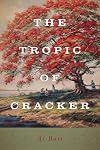
Journalist Al Burt wrote about Florida and Floridians with an emphasis on, in this collection, of how the state was changing and how different ways of life were dying as a result. Farmers, worker, business owners migrated to Florida from Georgia and elsewhere to make a living. They, their descendants, and those already in the state combined to make it their own.
An article about Norbert Baskin, husband of novelist Marjorie Kinnan Rawlings, has his recollections of life with Rawlings and is show more particularly interesting. A chapter on Zora Neale Hurston is insightful. Another chapter profiles a prison guard, a veteran of death row. Virgil Hawkins, the man who paved the way for the acceptance of black people to UF law school is profiled.
Burt tells the story of Miami Herald editor John Pennekamp, whose name is familiar to anyone from South Florida, and his apparently tireless efforts on behalf of the state.
My favorite part of the book is two profiles Burt wrote a few years apart of the author Harry Crews, the Florida author from Georgia. "A remarkable man who seemed to speak several English languages, in addition to the one he wrote so beautifully." Crews is the kind of writer that makes you wish immortality was real. Burt captures that. "All fiction is about the same thing. It's about a man doing the best he can with what he's got to do with. That's how I feel about it," Crews said.
Al Burt wrote most of these articles in the 1970s and 80s. They're about a way of life in Florida that you could see disappearing as it happened. "Maybe you don't remember the days when you could meet strangers in Florida and they probably would be Floridians." Burt was fully aware it was happening and seemed to do his best to capture what he could while he could. Doing his best with what he had to do with. He wrote about his concerns for the future of the state and about other people who were concerned. It's poignant to see the changes several decades later, long after most of the people in this book are gone. show less
An article about Norbert Baskin, husband of novelist Marjorie Kinnan Rawlings, has his recollections of life with Rawlings and is show more particularly interesting. A chapter on Zora Neale Hurston is insightful. Another chapter profiles a prison guard, a veteran of death row. Virgil Hawkins, the man who paved the way for the acceptance of black people to UF law school is profiled.
Burt tells the story of Miami Herald editor John Pennekamp, whose name is familiar to anyone from South Florida, and his apparently tireless efforts on behalf of the state.
My favorite part of the book is two profiles Burt wrote a few years apart of the author Harry Crews, the Florida author from Georgia. "A remarkable man who seemed to speak several English languages, in addition to the one he wrote so beautifully." Crews is the kind of writer that makes you wish immortality was real. Burt captures that. "All fiction is about the same thing. It's about a man doing the best he can with what he's got to do with. That's how I feel about it," Crews said.
Al Burt wrote most of these articles in the 1970s and 80s. They're about a way of life in Florida that you could see disappearing as it happened. "Maybe you don't remember the days when you could meet strangers in Florida and they probably would be Floridians." Burt was fully aware it was happening and seemed to do his best to capture what he could while he could. Doing his best with what he had to do with. He wrote about his concerns for the future of the state and about other people who were concerned. It's poignant to see the changes several decades later, long after most of the people in this book are gone. show less
Statistics
- Works
- 2
- Members
- 65
- Popularity
- #261,993
- Rating
- 3.7
- Reviews
- 1
- ISBNs
- 9