
Meera Subramanian
Author of A river runs again : India's natural world in crisis
Works by Meera Subramanian
Associated Works
Tagged
Common Knowledge
There is no Common Knowledge data for this author yet. You can help.
Members
Reviews
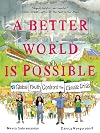
Authors Danica Novgorodoff and Meera Subramanian introduce readers to four young climate activists: Xiye Bastida, Jamie Margolin, Rebeca Sabnam, and Shiv Soin. These six guide the readers through the history that brought us to the current climate crisis, and offer ideas for action and solutions.
A "What happened, when?" timeline of climate events over the past 250 years (88-93) starkly illustrates how long oil and gas companies knew the negative effects of greenhouse gases and pushed forward show more anyway instead of pivoting to renewable energy.
This approach has something for every reader: excellent visuals, charts, and timelines; examples of climate disasters caused by "global weirding" such as flooding in Bangladesh and Mexico and wildfires in the Pacific Northwest; organized actions such as protests, marches, and nonprofits; and acknowledging "eco-grief" and how hope and action are antidotes to despair.
Comprehensive back matter includes climate action resources divided into categories (learn, read, listen, watch, laugh & learn, get involved.
See also: What If We Get It Right? by Ayana Elizabeth Johnson, Hope in the Dark by Rebecca Solnit, Life After Cars by Sarah Goodyear and Doug Gordon and Aaron Naparstek, When Tomorrow Burns by Tae Keller, Haven Jacobs Saves the Planet by Barbara Dee
Notes/quotes
Climate scientist Ed Hawkins' image of average global temperatures 1850-2021, with each stripe representing the average temperature of a single year: https://www.science.smith.edu/climatelit/warming-stripes/ (34)
"If our struggles make the world a better place, they will make us better people....If we all took care of the earth, none of us would have to be full-time climate activists." (Xiye Bastida, 53)
"It is no measure of health to be well adjusted to a profoundly sick society." (attributed to Indian philosopher J. Krishnamurti, applied to ecological grief, 71)
"Sometimes the best antidote to despair is to get up and act! Because 'hope' is not a noun, an object you either have or lack. 'Hope' is a verb, an ongoing process of action..." (Danica Novgodoroff, 80-81, citing Rebecca Solnit's Hope in the Dark)
What happened, when? timeline of climate events over the past 250 years (88-93)
"The people who are hurt most by the climate crisis are those who have the fewest resources to deal with it, and who contribute the least to its causes. That's environmental injustice." (Meera Subramanian, 101)
"If solutions are targeted to address the root causes of systemic inequalities, they can fix multiple problems at once, working to make human communities more equitable while also cooling the planet. This is intersectional thinking." (Meera, 108)
"'Cheap' sometimes just means that someone else is paying the cost." Fossil fuel companies rely on a wasteful, polluting cycle of extraction, production, and disposal to make their money. (Rebeca Sabnam, 112)
"We've released millions of years of stored carbon into the air in just a couple hundred years [by burning fossil fuels]." (Shiv Soin's high school teacher, 123)
Indigenous peoples are as diverse as the places they live, but many share a sense of deep time. Decisions today depend on the impact they might have on future generations, but are made in conversation with ancestors, a continuity of connection across the ages. (144) show less
A "What happened, when?" timeline of climate events over the past 250 years (88-93) starkly illustrates how long oil and gas companies knew the negative effects of greenhouse gases and pushed forward show more anyway instead of pivoting to renewable energy.
This approach has something for every reader: excellent visuals, charts, and timelines; examples of climate disasters caused by "global weirding" such as flooding in Bangladesh and Mexico and wildfires in the Pacific Northwest; organized actions such as protests, marches, and nonprofits; and acknowledging "eco-grief" and how hope and action are antidotes to despair.
Comprehensive back matter includes climate action resources divided into categories (learn, read, listen, watch, laugh & learn, get involved.
See also: What If We Get It Right? by Ayana Elizabeth Johnson, Hope in the Dark by Rebecca Solnit, Life After Cars by Sarah Goodyear and Doug Gordon and Aaron Naparstek, When Tomorrow Burns by Tae Keller, Haven Jacobs Saves the Planet by Barbara Dee
Notes/quotes
Climate scientist Ed Hawkins' image of average global temperatures 1850-2021, with each stripe representing the average temperature of a single year: https://www.science.smith.edu/climatelit/warming-stripes/ (34)
"If our struggles make the world a better place, they will make us better people....If we all took care of the earth, none of us would have to be full-time climate activists." (Xiye Bastida, 53)
"It is no measure of health to be well adjusted to a profoundly sick society." (attributed to Indian philosopher J. Krishnamurti, applied to ecological grief, 71)
"Sometimes the best antidote to despair is to get up and act! Because 'hope' is not a noun, an object you either have or lack. 'Hope' is a verb, an ongoing process of action..." (Danica Novgodoroff, 80-81, citing Rebecca Solnit's Hope in the Dark)
What happened, when? timeline of climate events over the past 250 years (88-93)
"The people who are hurt most by the climate crisis are those who have the fewest resources to deal with it, and who contribute the least to its causes. That's environmental injustice." (Meera Subramanian, 101)
"If solutions are targeted to address the root causes of systemic inequalities, they can fix multiple problems at once, working to make human communities more equitable while also cooling the planet. This is intersectional thinking." (Meera, 108)
"'Cheap' sometimes just means that someone else is paying the cost." Fossil fuel companies rely on a wasteful, polluting cycle of extraction, production, and disposal to make their money. (Rebeca Sabnam, 112)
"We've released millions of years of stored carbon into the air in just a couple hundred years [by burning fossil fuels]." (Shiv Soin's high school teacher, 123)
Indigenous peoples are as diverse as the places they live, but many share a sense of deep time. Decisions today depend on the impact they might have on future generations, but are made in conversation with ancestors, a continuity of connection across the ages. (144) show less
A River Runs Again: India's Natural World in Crisis, from the Barren Cliffs of Rajasthan to the Farmlands of Karnataka by Meera Subramanian

Picked up this book on the recommendation of a visiting owl biologist and am glad I did. The segment on vultures is both disturbing and fascinating.
Awards

You May Also Like
Associated Authors
Statistics
- Works
- 4
- Also by
- 3
- Members
- 32
- Popularity
- #430,837
- Rating
- 3.6
- Reviews
- 2
- ISBNs
- 4