
Federico Falco
Author of The Plains
About the Author
Works by Federico Falco
Associated Works
Granta 113: The Best of Young Spanish Language Novelists (2011) — Contributor — 165 copies, 3 reviews
Tagged
Common Knowledge
- Birthdate
- 1977-09-20
- Gender
- male
- Nationality
- Argentina
- Birthplace
- General Cabrera, Argentina
- Map Location
- Argentina
Members
Reviews
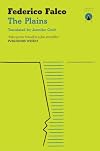
The Plains by Argentinian writer Federico Falco chronicles the aftermath of a life-changing decision the narrator has made to leave Buenos Aires following the breakdown of his relationship with his lover and partner, Ciro. The narrator is a writer and teacher of creative writing, a city dweller for his entire adult life, so the decision to leave the city for rural Zapiola, in the Argentinian Pampas—farming country—is something of a paradox: an act against type. When Ciro questions his show more decision—even arguing against it—the answer is simple: “I have to start over, see what comes next.” And the narrator follows through, moving his belongings out of the apartment he and Ciro shared and to the country house he has rented. The novel is divided into chapters named for the months of the year, beginning with January: the start of summer in the Southern Hemisphere. The story the narrator tells is of the land, the seasons, the weather, interspersed with personal anecdotes about family, encounters with neighbours, the relationship just ended. He finds that time in the country passes differently than in the city, where life is lived seemingly in defiance of time, which is malleable, almost invisible—something we shape to suit our needs. While in the country life is structured according to time, which is inflexible, almost—moment by moment, day by day—palpable. The same can be said of the land, which in the city can be safely ignored, but in the country is a determining factor for the people living there, potentially making the difference between food and hunger, life and death. The narrator makes note of the minutiae of his new life: sights and smells, torrential rain, drought, enervating humidity, fungus and blight, the beans that fail to germinate, a successful kale harvest, the insects ravaging the chard, a hen’s first egg—because these are the details impacting his daily life. The Plains is a contemplative novel, one that sets a rhythm that the reader either settles into or resists. Falco’s prose (capably translated by Jennifer Croft) is filled with lush sensual descriptions, some pleasing, others not so much. The story builds slowly, its emotional impact for the most part muted. In the end, we may not share the narrator’s enthusiasm for his new life in the country, but we can see and perhaps understand the allure of new and unfamiliar possibilities in the wake of a devastating emotional crisis. show less
'Presente quando chiudi un libro e la tentazione di ripartire dalla prima pagina è fortissima?
Questo quello che ho provato come ho chiuso Le Pianure.
Il lutto per la fine di un (grande) amore porta il protagonista a scappare da tutto e da tutti in campagna, alla ricerca di qualcosa che immaginava molto più facile di quello che in realtà è. Proprio come la sua storia forse gli era sembrata più semplice e serena di quello che in realtà era.
E la presa di coscienza della vita in campagna show more lo porta a prendere coscienza di se stesso e del suo passato.
Il romanzo è un lungo racconto della vita in campagna, intervallata dai ricordi che riaffiorano alla memoria e dalle sue riflessioni molto profonde: riflessioni sull'essenza dell'essere e dell'esistere, sul tempo, sul linguaggio e la comunicazione.
Mi ha toccato e ha reso in parole una quantità di sensazioni che sentivo sotto pelle impressionante.
Tra l'altro, un libro fortemente desiderato perché ben commentato e presentato, che al primo tentativo mi aveva dolorosamente respinto: fortuna ha voluto che lo ritirassi fuori dalla pila della vergogna al momento giusto. Non sono una grande rilettrice, ma questo è un buon candidato ad essere ripreso in mano e (spero) riamato alla follia. show less
Questo quello che ho provato come ho chiuso Le Pianure.
Il lutto per la fine di un (grande) amore porta il protagonista a scappare da tutto e da tutti in campagna, alla ricerca di qualcosa che immaginava molto più facile di quello che in realtà è. Proprio come la sua storia forse gli era sembrata più semplice e serena di quello che in realtà era.
E la presa di coscienza della vita in campagna show more lo porta a prendere coscienza di se stesso e del suo passato.
Il romanzo è un lungo racconto della vita in campagna, intervallata dai ricordi che riaffiorano alla memoria e dalle sue riflessioni molto profonde: riflessioni sull'essenza dell'essere e dell'esistere, sul tempo, sul linguaggio e la comunicazione.
Mi ha toccato e ha reso in parole una quantità di sensazioni che sentivo sotto pelle impressionante.
Tra l'altro, un libro fortemente desiderato perché ben commentato e presentato, che al primo tentativo mi aveva dolorosamente respinto: fortuna ha voluto che lo ritirassi fuori dalla pila della vergogna al momento giusto. Non sono una grande rilettrice, ma questo è un buon candidato ad essere ripreso in mano e (spero) riamato alla follia. show less
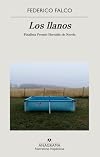
El mejor libro sobre huertas que he leído. Un relato poético, un poco repetitivo tal vez, con momentos de esos que hay que subrayar porque son memorables.

Awards


You May Also Like
Associated Authors
Statistics
- Works
- 10
- Also by
- 3
- Members
- 122
- Popularity
- #163,288
- Rating
- 3.7
- Reviews
- 5
- ISBNs
- 25
- Languages
- 5