
Jeanne Sheehy
Author of Irish Art and Architecture: From Prehistory to the Present
Series
Works by Jeanne Sheehy
Tagged
Common Knowledge
- Gender
- female
- Education
- University College Dublin
Trinity College, Dublin - Occupations
- lecturer (Senior Lecturer ∙ Art History ∙ Oxford Polytechnic ∙ England)
- Organizations
- Oxford Polytechnic, England
- Nationality
- Ireland
- Places of residence
- Ireland
England, UK - Associated Place (for map)
- England, UK
Members
Reviews

As a force fueling the development of an Irish national identity in the late 19th and early 20th centuries, the Celtic Revival proved an important movement in modern Irish history. Yet with such luminaries as William Butler Yeats and J. M. Synge among its leading figures, the literary expression of the movement has overshadowed its other elements. In this book, art historian Jeanne Sheehy seeks to provide a more complete understanding of the Revival by examining its impact on the visual arts show more of the era.
Sheehy begins by tracing the origins of the movement to the developing interest in history throughout Europe in the early nineteenth century, particularly in medieval history. This fueled the first significant study of Irish antiquities, particularly those of the Celtic and early Christian (pre-English) eras. These discoveries generated a growing respect for Ireland’s cultural heritage, one neglected by elites in recent centuries who sought to identify themselves more closely to English culture. Now Irish emblems such as the shamrock and the harp became symbols of Irish pride, and were seized upon by activists such as those in the Young Ireland movement as badges of identity.
Sheehy chronicles this development with a sure command of the artistic developments of the era. She notes the reflection of the movement in the painting, sculpture, and architecture of the era, demonstrating how the Revival was reflected in nearly every field of artistry. Though she concludes that a distinctively Irish style failed to develop from the Revival, she nonetheless identifies several threads of development that demonstrate the importance of the Revival to Irish art from the era. Thoroughly researched, generously illustrated, and well-written, this is a valuable study of its subject, one that offers an added dimension to studying the interaction between culture and nationalism in modern Irish history. show less
Sheehy begins by tracing the origins of the movement to the developing interest in history throughout Europe in the early nineteenth century, particularly in medieval history. This fueled the first significant study of Irish antiquities, particularly those of the Celtic and early Christian (pre-English) eras. These discoveries generated a growing respect for Ireland’s cultural heritage, one neglected by elites in recent centuries who sought to identify themselves more closely to English culture. Now Irish emblems such as the shamrock and the harp became symbols of Irish pride, and were seized upon by activists such as those in the Young Ireland movement as badges of identity.
Sheehy chronicles this development with a sure command of the artistic developments of the era. She notes the reflection of the movement in the painting, sculpture, and architecture of the era, demonstrating how the Revival was reflected in nearly every field of artistry. Though she concludes that a distinctively Irish style failed to develop from the Revival, she nonetheless identifies several threads of development that demonstrate the importance of the Revival to Irish art from the era. Thoroughly researched, generously illustrated, and well-written, this is a valuable study of its subject, one that offers an added dimension to studying the interaction between culture and nationalism in modern Irish history. show less
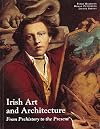
Ireland stood at the forefront of Westem European artistic culture in antiquity, when great passage graves were built; during the 7th and 8th centuries AD, when the Irish produced masterpieces of metalwork and manuscript illumination; and during the 18th century, an age of classical elegance. The achievements of these periods and others survive largely intact. This survey describes the whole sequence of Irish art and architecture. Peter Harbison, chairman of the National Monuments Advisory show more Council, is author of "Pre-Christian Ireland" (Thames and Hudson, 1988). Homan Potterton was Director of the National Gallery of Ireland, 1980-88. Jeanne Sheehy is author of "The Rediscovery of Ireland's Past" (Thames and Hudson, 1980). show less

w/ 316 illustrations, 40 in color

You May Also Like
Associated Authors
Statistics
- Works
- 5
- Members
- 136
- Popularity
- #149,925
- Rating
- 3.3
- Reviews
- 7
- ISBNs
- 7