
Lottie Moggach
Author of Kiss Me First
About the Author
Image credit: Lottie Moggach/The Guardian
Works by Lottie Moggach
Tagged
Common Knowledge
- Birthdate
- 1977-05-09
- Gender
- female
- Occupations
- novelist
journalist - Relationships
- Moggach, Deborah (mother)
Hough, Charlotte (grandmother)
Hough, Richard (grandfather)
Atkins, Chris (ex-partner) - Short biography
- Lottie Moggach is a novelist and journalist who has written for The Times, Financial Times, Time Out, Elle, GQ and the London Paper.
- Nationality
- UK
- Places of residence
- London, England, UK
- Associated Place (for map)
- England, UK
Members
Reviews
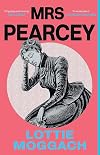
Hannah Teale is newly engaged and lives her life through the ladies magazines that she reads avidly. Her fiance is Cosmo, an up and coming journalist and through him Hannah becomes exposed to the idea of writing. When a woman and baby are found murdered near her home, the whole area is filled with the fear that the Ripper has struck again but the truth is more prosaic. A woman of Hannah's age is arrested and Hannah becomes obsessed by her story.
This novel is based on a true crime from the show more late Victorian age in which a young woman was hanged for the murder of her lover's wife and child. Here Moggach uses the fictitious character of Hannah to explore crime and punishment as it referred to women in those times and how this related to the insatiable appetite for true crime. I loved the way that the newspapers and Madame Tussaud's were used to reflect this public demand whereas the actual victims were almost forgotten and if the accused could be shown as a jezebel then the verdict was inevitable. show less
This novel is based on a true crime from the show more late Victorian age in which a young woman was hanged for the murder of her lover's wife and child. Here Moggach uses the fictitious character of Hannah to explore crime and punishment as it referred to women in those times and how this related to the insatiable appetite for true crime. I loved the way that the newspapers and Madame Tussaud's were used to reflect this public demand whereas the actual victims were almost forgotten and if the accused could be shown as a jezebel then the verdict was inevitable. show less
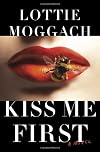
There comes a point in time in which one runs across that one book, which truly takes you outside of your comfort zone. It manages to challenge the way in which you view the world. Kiss Me First, by Lottie Moggach deals with deep subject matter, which manages to challenge the moral view point of its readers. Leila is the books protagonist, she is an intelligent young woman, but she is somewhat socially immature. She grew up in a sheltered home, with just herself and her mother. After the show more death of her mother, friendless and unable to truly exist in the real world, Leila searches for a new start. She finds that new start on Red Pill. Red Pill is a philosophical website, founded by Adrian (who is questionably inspired by the late Ayn Rand). On Red Pill, Leila is quickly promoted to the top level, which means that she is a “great thinker”. She is beyond flattered by this perceived honor, she is even more so flattered when the site’s founder reaches out to her, regarding a special project. That special project is, “Project Tess”.
“Project Tess” involves Leila taking over the life of a 30 plus year old woman who wishes to commit suicide. However, she does not want her family to know that she has committed the unthinkable deed. Therefore, she wants someone to maintain an online profile for her after she is long gone from this world. Adrian convinces Leila that she would be a perfect fit, therefore, Leila agrees. It is during this section of the novel in which I began to have serious difficulties connecting with the Leila character. Her choices were quite questionable, she far too easily embarked upon taking on the identity of Tess. Tess, a woman who was obviously in need of great help, but the moment in which she agreed to help her die, Tess’ blood was in a way on Leila’s hands. Leila’s choices were baffling and troubling throughout the book. She was extremely judgmental, in fact, she turned down a potential roommate because she noticed a bible in his pocket. She also had the tendency to believe that her way was the right way and that there could be no other way.
Leila was defiant in her choices, even when starting a relationship with Tess’ ex online. The unassuming man believed that he was talking to his long lost love, but unfortunately for him is was Leila. Leila, who believed that he would prefer her over Tess anyway, once she revealed the truth to him. I was also troubled by her reactions to those who questioned her decisions, especially Tess’ mother. She came across as cold, uncaring, yet easily bruised by the thoughts of others regarding the way in which she was perceived. There is something else in which Leila reveals much later in the book, regarding her mother’s death. Her revelation which further cemented my negative view of the Leila character. I do not know if Leila was meant to be a sympathetic character, because if she was, I failed to sympathize with her. She was morally corrupt, and even in the end, she still failed to recognize this fact.
Kiss Me First, deals with sensitive issues such as suicide and mental illness. I wish, however, that it was handled differently. Apart of me wishes that Leila would have early on stepped in to stop the Tess debacle. I wanted her to recognize that there are right choices and wrong choices. She semi makes the right choice at the end, but only after destroying so many lives. Leila’s immaturity as a young woman could have been understandable. However, she denied herself the opportunity to grow, to learn. I desire character growth when reading a novel, there was no growth for Leila. It was a constant barrage of poor choices again and again, without considering the emotional impact which it could have on others. Would I suggest Kiss Me First to readers? Probably not, unless they were comfortable enough reading about a character with Leila’s glaring faults. show less
“Project Tess” involves Leila taking over the life of a 30 plus year old woman who wishes to commit suicide. However, she does not want her family to know that she has committed the unthinkable deed. Therefore, she wants someone to maintain an online profile for her after she is long gone from this world. Adrian convinces Leila that she would be a perfect fit, therefore, Leila agrees. It is during this section of the novel in which I began to have serious difficulties connecting with the Leila character. Her choices were quite questionable, she far too easily embarked upon taking on the identity of Tess. Tess, a woman who was obviously in need of great help, but the moment in which she agreed to help her die, Tess’ blood was in a way on Leila’s hands. Leila’s choices were baffling and troubling throughout the book. She was extremely judgmental, in fact, she turned down a potential roommate because she noticed a bible in his pocket. She also had the tendency to believe that her way was the right way and that there could be no other way.
Leila was defiant in her choices, even when starting a relationship with Tess’ ex online. The unassuming man believed that he was talking to his long lost love, but unfortunately for him is was Leila. Leila, who believed that he would prefer her over Tess anyway, once she revealed the truth to him. I was also troubled by her reactions to those who questioned her decisions, especially Tess’ mother. She came across as cold, uncaring, yet easily bruised by the thoughts of others regarding the way in which she was perceived. There is something else in which Leila reveals much later in the book, regarding her mother’s death. Her revelation which further cemented my negative view of the Leila character. I do not know if Leila was meant to be a sympathetic character, because if she was, I failed to sympathize with her. She was morally corrupt, and even in the end, she still failed to recognize this fact.
Kiss Me First, deals with sensitive issues such as suicide and mental illness. I wish, however, that it was handled differently. Apart of me wishes that Leila would have early on stepped in to stop the Tess debacle. I wanted her to recognize that there are right choices and wrong choices. She semi makes the right choice at the end, but only after destroying so many lives. Leila’s immaturity as a young woman could have been understandable. However, she denied herself the opportunity to grow, to learn. I desire character growth when reading a novel, there was no growth for Leila. It was a constant barrage of poor choices again and again, without considering the emotional impact which it could have on others. Would I suggest Kiss Me First to readers? Probably not, unless they were comfortable enough reading about a character with Leila’s glaring faults. show less
A socially awkward young women is approached by the charismatic founder of an internet discussion forum she frequents with an unusual proposition: that she take on the job of impersonating online another woman who wants to commit suicide, but doesn't want her friends and family to know she's dead.
Basically, this is the story of a bunch of dysfunctional people, all of whom are doing things that are so clearly not a good idea that you just want to reach through the pages and shake them. show more Especially the protagonist, Leila, who is a painful -- but, I think, believable -- combination of intelligent, clueless, sympathetic, and creepy. Watching the story play out is very much like watching a slow-motion train wreck, with the same can't-look-away fascination. One could argue that the ending doesn't provide nearly enough closure, but I think it worked for me just fine. show less
Basically, this is the story of a bunch of dysfunctional people, all of whom are doing things that are so clearly not a good idea that you just want to reach through the pages and shake them. show more Especially the protagonist, Leila, who is a painful -- but, I think, believable -- combination of intelligent, clueless, sympathetic, and creepy. Watching the story play out is very much like watching a slow-motion train wreck, with the same can't-look-away fascination. One could argue that the ending doesn't provide nearly enough closure, but I think it worked for me just fine. show less

October 1890, Camden Square in Camden Town, north London: Hannah Teale loves to read magazines such as Girl's Own Paper, and has even sent in her own travel article - this is not published but the printed response is not totally discouraging. She is engaged to be married to Cosmo, a journalist on Fleet Street, and is looking forward to setting up a new home with him, browsing the advertisements for suitable properties to rent. Just days after dinner with his family, though, Cosmo's show more grandmother dies and turns out to have changed her will, leaving all her money to Cosmo's father's brother. They will have to live with his parents or her mother. Cosmo immediately starts talking of a plan to improve his prospects and earnings at work, by going undercover and being admitted to a lunatic asylum, then writing about the experience. Just a few days later, news breaks of a murder of a woman and baby nearby, and Hannah starts her own investigation. A woman called Mary Pearcey is arrested and Hannah realises she has met her.
This novel is based on a true story - Mary Pearcey was a real young woman who was convicted of murder in 1890. Hannah Teale and her fiance, their families, friends, colleagues etc are fictional, and this novel is based on imagining all that was never reported in newspapers, and exploring some of the questions which have never been answered fully satisfactorily or at all.
The fictional plot of Mrs Pearcey is based on a series of coincidences and surprising events, but I enjoyed this story of Hannah's curiosity to look beyond the horizons of her everyday life and wedding plans. I loved all the social history, of the areas of London where everything takes place, of people, including many women, travelling to court and queueing up to get in and watch the trial. I feel I can imagine Hannah quite well, and worry about how quickly she might have become bored with the expectations of respectable married life for a woman of her place and time. Perhaps she could have found a way into earning some money as a writer, whether of magazine stories and columns or fiction of her own? show less
This novel is based on a true story - Mary Pearcey was a real young woman who was convicted of murder in 1890. Hannah Teale and her fiance, their families, friends, colleagues etc are fictional, and this novel is based on imagining all that was never reported in newspapers, and exploring some of the questions which have never been answered fully satisfactorily or at all.
The fictional plot of Mrs Pearcey is based on a series of coincidences and surprising events, but I enjoyed this story of Hannah's curiosity to look beyond the horizons of her everyday life and wedding plans. I loved all the social history, of the areas of London where everything takes place, of people, including many women, travelling to court and queueing up to get in and watch the trial. I feel I can imagine Hannah quite well, and worry about how quickly she might have become bored with the expectations of respectable married life for a woman of her place and time. Perhaps she could have found a way into earning some money as a writer, whether of magazine stories and columns or fiction of her own? show less
Lists
Awards


You May Also Like


Statistics
- Works
- 4
- Members
- 403
- Popularity
- #60,269
- Rating
- 3.5
- Reviews
- 28
- ISBNs
- 37
- Languages
- 7