
Gayle Dean Wardlow
Author of Chasin' That Devil Music: Searching for the Blues
About the Author
Works by Gayle Dean Wardlow
Tagged
Common Knowledge
Members
Reviews

Maybe there should be two Robert Johnsons. One is the mythical Robert Johnson, who really did make a deal with the devil at the crossroads, who owes his lyrical and technical ability to the deal that he made. And then the other, who is the subject of this biography.
Conforth and Wardlow did their homework. They interviewed whoever they possibly could, they sought out letters and personal documents, census records, . . . you name it, to trace Robert Johnson’s life literally from cradle to show more grave.
The result is what really does seem like a definitive biography, with authoritative accounts of Johnson’s ancestry, his travels, his death (“accidental” murder by poisoning), and his burial.
In a way, I feel a little deflated by the truth. Robert Johnson’s bigger-than-life status has always been partly due to the mysteries surrounding the life he lived, how he learned to play the way he did, and how he died. He’s still bigger than life, I think, for his playing and his influence, but there’s a lot less mystery now.
No, he didn’t really sell his soul to the devil at the crossroads. Okay, we never really thought he did, but, from Conforth's and Wardlow’s research, there’s actually very little factual evidence even to be exaggerated into such a myth. Son House’s story that Robert’s skills came to him very suddenly also loses its air — his dismissal of Robert’s skills when he first heard him looks to be a matter of competitive jousting, not sober appraisal.
Johnson’s recording sessions in San Antonio and Dallas are covered in good detail. The authors describe the sessions’ physical environments, Johnson’s activities both in the sessions and before and after, and they walk through the recordings themselves with commentary, especially on the lyrics.
Other reviewers have pointed to errors in the authors’ commentaries on the songs and Johnson’s playing. I agree that that’s not the strength of the book.
If I were to add criticism, I would say that the authors dwell less on Johnson’s guitar techniques than I would have liked. Of course, lacking any video (and given Johnson’s own secrecy about his techniques) neither we nor they can study them directly. The authors do provide testimony from Robert Lockwood, Johnny Shines, and others who had the opportunity that we don’t have to watch and learn from Johnson directly.
Johnson’s death at the age of 27 lives up to his billing as a man who was always in trouble over women. But I won’t spill the details and spoil the suspense.
There are many things I learned for the first time from reading Conforth’s and Wardlow’s book.
I learned about Robert’s travels. I had had the impression he spent the great majority of his life along the Mississippi delta, but he actually spent much of his childhood in Memphis with his mother and step-father. And his travels weren’t so much up and down the delta as much more far-ranging, as far north as Canada.
And I learned of the relationships that may have shaped Robert’s musical moods.
Johnson was deeply affected by two relationships. The first was his first wife Virginia, who died in childbirth (along with the child), with Robert not present. He was out on the road playing jukes while she prepared to deliver their baby at her grandmother’s house in 1930.
And the second was his relationship with Virgie Jane Smith. Robert met Virgie when she was just sixteen years old (he was just nineteen himself). Virgie became pregnant with Robert’s baby (a son, Claud), and Robert wanted to marry Virgie and raise the baby together. For a brief moment, it seemed like he might actually change his life, even settle down as a farmer/sharecropper. But Virgie’s family wouldn’t accept Robert — he played “the devil’s music” and they were good Christians. Virgie rejected Robert’s proposal, and Robert went on to marry Callie Craft almost immediately afterward.
No woman ever meant as much as Virginia or Virgie again to Robert. And those losses, along with the loss of his baby with Virginia and the loss of any connection with Claud, seemed to run alongside a change in his personality, to the darker, more haunted moods we see in so many of his songs.
The myth that Johnson sold his soul to the devil in return for his guitar skills may be somewhat redeemed by the recognition that just about any blues musician had, in some sense, sold his soul to the devil in the eyes of the people around him. When Virgie’s family rejected Robert for playing the devil’s music, they were reflecting a common attitude. It was as if a musician stood on a knife’s edge and could fall either way, into the devil’s hands and play blues, or into God’s hands and play and preach the gospel. Son House, for example, wobbled back and forth repeatedly. But Robert fell pretty hard on the side of the blues. show less
Conforth and Wardlow did their homework. They interviewed whoever they possibly could, they sought out letters and personal documents, census records, . . . you name it, to trace Robert Johnson’s life literally from cradle to show more grave.
The result is what really does seem like a definitive biography, with authoritative accounts of Johnson’s ancestry, his travels, his death (“accidental” murder by poisoning), and his burial.
In a way, I feel a little deflated by the truth. Robert Johnson’s bigger-than-life status has always been partly due to the mysteries surrounding the life he lived, how he learned to play the way he did, and how he died. He’s still bigger than life, I think, for his playing and his influence, but there’s a lot less mystery now.
No, he didn’t really sell his soul to the devil at the crossroads. Okay, we never really thought he did, but, from Conforth's and Wardlow’s research, there’s actually very little factual evidence even to be exaggerated into such a myth. Son House’s story that Robert’s skills came to him very suddenly also loses its air — his dismissal of Robert’s skills when he first heard him looks to be a matter of competitive jousting, not sober appraisal.
Johnson’s recording sessions in San Antonio and Dallas are covered in good detail. The authors describe the sessions’ physical environments, Johnson’s activities both in the sessions and before and after, and they walk through the recordings themselves with commentary, especially on the lyrics.
Other reviewers have pointed to errors in the authors’ commentaries on the songs and Johnson’s playing. I agree that that’s not the strength of the book.
If I were to add criticism, I would say that the authors dwell less on Johnson’s guitar techniques than I would have liked. Of course, lacking any video (and given Johnson’s own secrecy about his techniques) neither we nor they can study them directly. The authors do provide testimony from Robert Lockwood, Johnny Shines, and others who had the opportunity that we don’t have to watch and learn from Johnson directly.
Johnson’s death at the age of 27 lives up to his billing as a man who was always in trouble over women. But I won’t spill the details and spoil the suspense.
There are many things I learned for the first time from reading Conforth’s and Wardlow’s book.
I learned about Robert’s travels. I had had the impression he spent the great majority of his life along the Mississippi delta, but he actually spent much of his childhood in Memphis with his mother and step-father. And his travels weren’t so much up and down the delta as much more far-ranging, as far north as Canada.
And I learned of the relationships that may have shaped Robert’s musical moods.
Johnson was deeply affected by two relationships. The first was his first wife Virginia, who died in childbirth (along with the child), with Robert not present. He was out on the road playing jukes while she prepared to deliver their baby at her grandmother’s house in 1930.
And the second was his relationship with Virgie Jane Smith. Robert met Virgie when she was just sixteen years old (he was just nineteen himself). Virgie became pregnant with Robert’s baby (a son, Claud), and Robert wanted to marry Virgie and raise the baby together. For a brief moment, it seemed like he might actually change his life, even settle down as a farmer/sharecropper. But Virgie’s family wouldn’t accept Robert — he played “the devil’s music” and they were good Christians. Virgie rejected Robert’s proposal, and Robert went on to marry Callie Craft almost immediately afterward.
No woman ever meant as much as Virginia or Virgie again to Robert. And those losses, along with the loss of his baby with Virginia and the loss of any connection with Claud, seemed to run alongside a change in his personality, to the darker, more haunted moods we see in so many of his songs.
The myth that Johnson sold his soul to the devil in return for his guitar skills may be somewhat redeemed by the recognition that just about any blues musician had, in some sense, sold his soul to the devil in the eyes of the people around him. When Virgie’s family rejected Robert for playing the devil’s music, they were reflecting a common attitude. It was as if a musician stood on a knife’s edge and could fall either way, into the devil’s hands and play blues, or into God’s hands and play and preach the gospel. Son House, for example, wobbled back and forth repeatedly. But Robert fell pretty hard on the side of the blues. show less
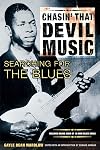
A collection of articles since the 1960s by 'blues chaser' Wardlow originally published in specialist blues magazines with additional commentary by editor and author to put them in context for the present. It is more an account of the process of discovering and researching blues and as such is invaluable. The disinterested reader will likely consider the fervent debates to be storms in teacups. So it is not for beginners more for enthusiasts. The included CD though IS an excellent show more introduction to the artists discussed if you haven't heard any of this stuff before. show less
Awards


Statistics
- Works
- 3
- Members
- 196
- Popularity
- #111,884
- Rating
- 4.1
- Reviews
- 2
- ISBNs
- 12