
Mark Whittow (1957–2017)
Author of The Making of Byzantium, 600-1025
About the Author
Image credit: Mark Whittow in Romania.
Works by Mark Whittow
Associated Works
Theory and Practice in Late Antique Archaeology (Late Antiquity Archaeology, 1) (2003) — Contributor — 17 copies
Empires and Exchanges in Eurasian Late Antiquity: Rome, China, Iran, and the Steppe, ca. 250–750 (2018) — Contributor — 13 copies
Tagged
Common Knowledge
- Birthdate
- 1957-08-24
- Date of death
- 2017-12-23
- Gender
- male
- Education
- Kings College School
Lord Wandsworth College, Hampshire
University of Oxford (Trinity College) - Occupations
- historian
archaeologist
professor (History) - Organizations
- University of Oxford (St. Peter's College)
- Awards and honors
- University of Oxford (Fellow - Corpus Christi College)
- Nationality
- UK
- Birthplace
- Cambridge, Cambridgeshire, England, UK
- Associated Place (for map)
- England, UK
Members
Reviews
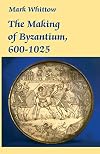
This particular edition has been on my shelf since 2009. There is a newer version and from reading the cover of that newer version, I believe some of Whittow's criticisms of archaeological research (or lack thereof) during this time period has been addressed. This book begins with the last 14 years of the Roman Empire, which was already in decline. The authors spends much time about the "name" of the empire, which went way over my head. He argues that because the name had changed from "Rome" show more to "Byzantium", it signaled a significant change. Admittedly, I don't teach this period of history, so I can't negate that idea. However, I would think any reader of history would agree that it wasn't only the name that indicated a significant change in the status quo post Roman empire. Whittlow's second emphasis is on the loss of the aristocracy as it had been known. He points to various studies on members of the ruling elite and the senate remnants who completely changed their name(s). He claims that instead of longer names that indicated esteemed heritages, names were shortened to just one or two names, such as a first name and perhaps a surname. His thesis is that the aristocracy of the 7-8th century (and indeed until the 16th century) was unawares or unconscious of their ancestry. The third main point of the book dealt with economics and agriculture--not so interesting! IMHO the author does a great job of tying all these things together to "create" a "New Rome." Off the shelf! 480 pages show less
Lists
THE WAR ROOM (1)
You May Also Like
Associated Authors
Statistics
- Works
- 2
- Also by
- 6
- Members
- 170
- Popularity
- #125,473
- Rating
- 3.9
- Reviews
- 1
- ISBNs
- 5